Table of Contents
Drain rodding clears a blocked drain or sewer line by pushing a set of screw-together rods, or a motorized cable with a rotating head, through the pipe until it reaches the clog. The rod either breaks up the blockage or hooks it and pulls it out. Most jobs cost $100 to $400.
A drain that gurgles, backs up, or won’t clear with a plunger usually needs a stronger method than anything sold at a hardware store. Drain rodding is one of the most common ways plumbers and drainage engineers deal with that kind of blockage, especially in outdoor drains and main sewer lines. This guide explains what drain rodding actually involves, how the process runs from start to finish, how it compares to snaking and jetting, and what you can expect to pay.
What Is Drain Rodding?
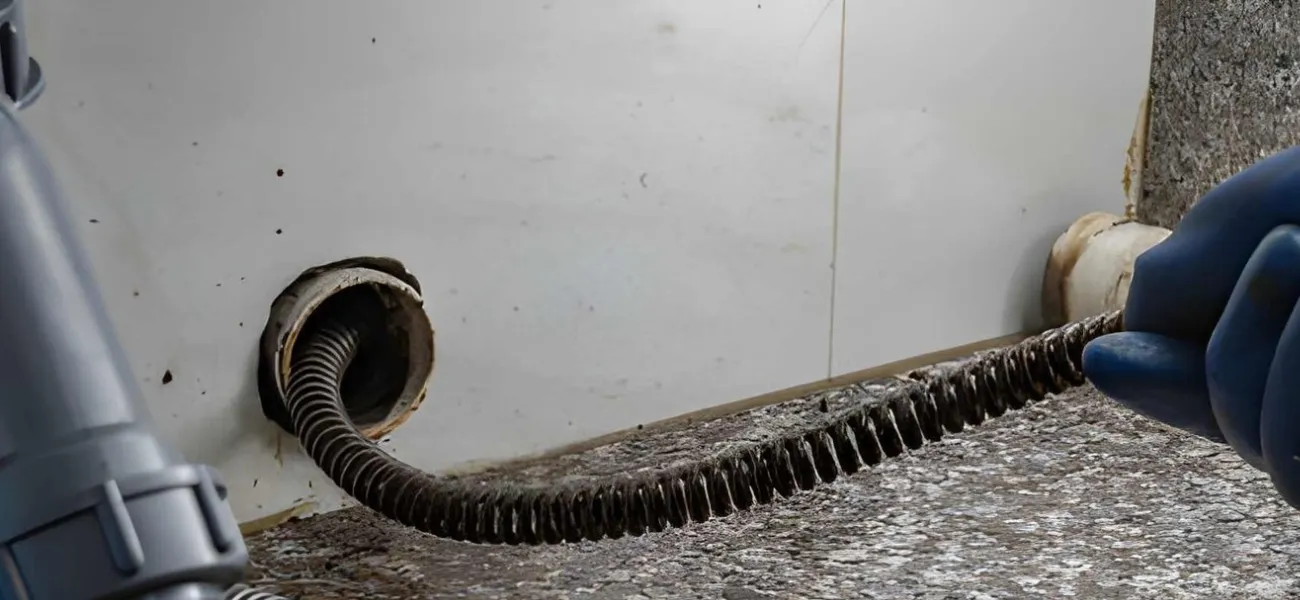
Drain rodding is a mechanical method of clearing a blocked drain using flexible or semi-rigid rods that screw together, or a motorized cable, pushed through the pipe from an access point until they reach the blockage. The tool at the working end can hook the clog and pull it back, or break it apart so the debris washes downstream.
The simplest version of the tool is a manual rod set. Rods thread together end to end and get pushed into the pipe from a manhole, gully, or cleanout, with an attachment such as a corkscrew or plunger head on the front. Professional-grade equipment replaces the hand-fed rods with a motorized cable and rotating cutting head, which is the version most often used on main sewer lines and tougher, deeper blockages.
How Does the Drain Rodding Process Work?
The drain rodding process runs in a set order: find the access point, feed the rod or cable to the clog, work through the blockage, then confirm the line is flowing again. Rushing any one of these steps risks leaving part of the clog behind or pushing debris into a section of pipe that’s harder to reach.
Before any rod goes into the pipe, the plumber needs a clear entry point and some idea of where the blockage sits, since that decides how much rod or cable length the job will need.
Step 1: Locate the Access Point
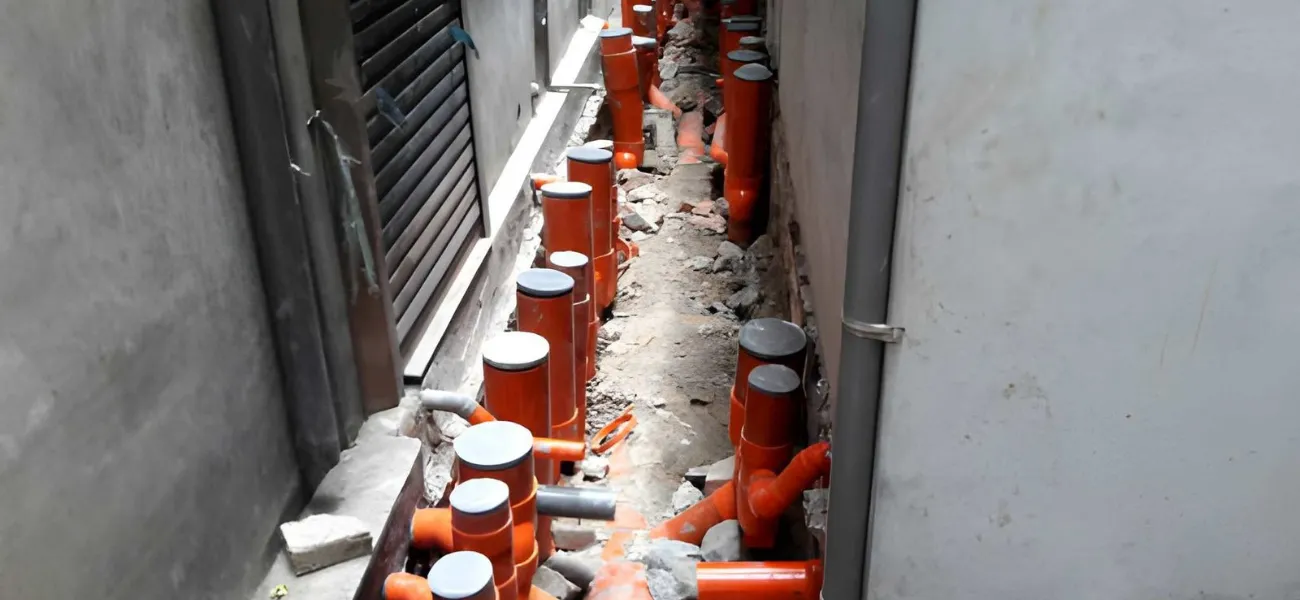
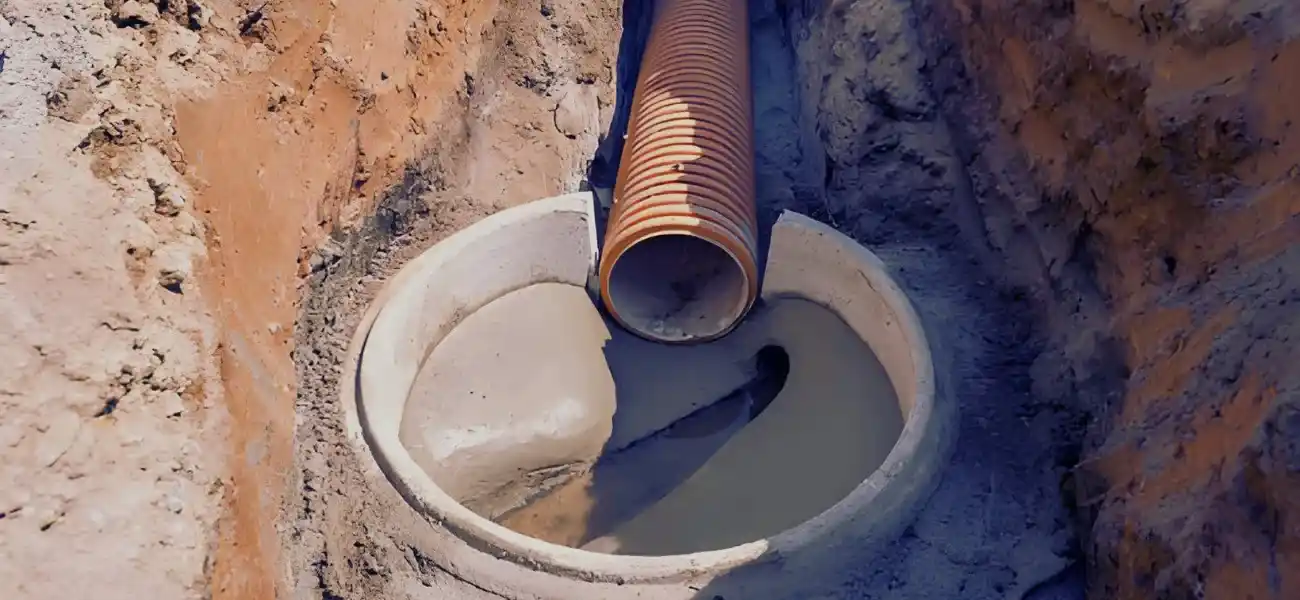
Rodding usually starts at a manhole, outside gully, or a dedicated cleanout rather than through a sink or bath. The plumber opens the cover and checks whether water is standing in the chamber, which helps confirm the blockage is downstream of that point.
Step 2: Feed the Rods or Cable Into the Pipe
Manual rods are pushed in one length at a time, twisting each new section on as it disappears into the pipe. A motorized rodding machine feeds a longer cable continuously, guided by the operator until resistance signals the clog has been reached.
Step 3: Work Through the Blockage
Once the tool reaches the obstruction, the plumber rotates the attachment. A corkscrew or cutting head breaks apart solid buildup so it flushes through, while a plunger-style head can also push a soft blockage along the pipe. If the clog is a lodged object, the head may hook it so it comes back out with the rod.
Step 4: Flush and Confirm the Line Is Clear
After the blockage gives way, the plumber runs water through the system, often flushing a fixture upstream, to confirm the drain flows at a normal rate. On main sewer line jobs, a camera inspection at this stage confirms the pipe is fully clear rather than just partially opened.
What Types of Drain Rodding Equipment Are Used?
Plumbers choose rodding equipment based on the pipe size, the access point, and how far into the system the clog sits. Using an underpowered tool on a long or heavily clogged run usually just wastes time on site.
Manual Rod Sets
A manual rod set is a series of flexible or semi-rigid rods, usually a few feet each, that screw together to build a longer working length. These are common for outside drains and short, accessible runs where the clog isn’t far from a manhole or gully.
Powered (Motorized) Rodding Machines
A powered rodding machine drives a continuous cable on a reel, which can extend much further than manual rods and rotates at higher force. This version is generally used for main-line work, cutting through roots, grease, and debris deeper in the system rather than nudging aside a shallow clog near a fixture.
Attachments
- Corkscrew head – twists into soft or fibrous blockages to break them apart
- Plunger head – pushes softer clogs along the pipe using water pressure buildup
- Cutting head – used on powered machines to chew through tree roots or hardened scale
- Retrieval hook – grabs and pulls back a lodged object rather than breaking it up
When Should You Use Drain Rodding?
Drain rodding is the right choice when an outside drain, gully, or main sewer line is slow or fully blocked and the access point (manhole or cleanout) is reachable. It’s less suited to a single indoor fixture clog close to a sink or shower trap, where a smaller snake usually does the job faster.
Common Signs You Need Drain Rodding
- Water pooling around an outside gully or manhole cover
- Multiple indoor fixtures backing up or gurgling at the same time
- A foul smell coming from an outside drain
- Slow drainage that a plunger or sink snake hasn’t fixed
- Repeated blockages at the same point in the system
Common Causes Rodding Can Clear
Grease, wipes, sanitary products, food waste, and general debris are the usual causes of a blocked main line or outside drain. Rodding is generally effective on these types of blockages. Tree root intrusion can also be cut back with a powered cutting head, though the roots will typically regrow unless the entry point in the pipe is repaired.
Drain Rodding vs. Drain Snaking: What’s the Difference?
Drain rodding typically uses rigid, screw-together rods or a heavier motorized cable aimed at outside drains and main sewer lines, while drain snaking usually refers to a lighter cable used on a single indoor fixture such as a sink, tub, or toilet. A small hand snake is built to reach a local blockage in a sink, tub, or toilet branch, while sewer rodding is meant for the larger, shared line that carries wastewater from multiple fixtures.
In everyday conversation, the two terms overlap, and some companies use “rodding” and “snaking” interchangeably. The practical difference that matters to a homeowner is scale: a fixture clog close to a drain opening rarely needs full rodding equipment, while a blockage affecting several fixtures at once, or one located outside at a gully or manhole, usually does.
Drain Rodding vs. Hydro Jetting: Which Do You Need?
Rodding clears a path through a blockage using mechanical contact, while hydro jetting uses pressurized water to scour the entire inside of the pipe wall. The mechanical action of rods or a cable doesn’t put the same pressure on pipe walls that water at high PSI does, which makes rodding the gentler option for fragile or deteriorating pipework.
Rodding tends to be quicker and less expensive for a straightforward blockage, and it’s often the first method tried before deciding whether jetting is needed. For main sewer line blockages, rodding is generally the more complete option, while hydro jetting is sometimes brought in afterward if rodding alone isn’t sufficient. If a line keeps clogging at the same spot after being rodded, that pattern usually points to grease or scale coating the pipe walls, which is the kind of buildup jetting is better suited to removing.
How Much Does Drain Rodding Cost?
Most homeowners pay between $100 and $400 for a standard residential drain rodding job, with the price rising for main-line work, difficult access, or an older system without a cleanout. A standard job with a single blockage and an accessible cleanout typically runs $100 to $250, while a more complex job with no cleanout, multiple attempts, or older pipe can run $250 to $400.
| Job Type | Typical Cost Range | Notes |
|---|---|---|
| Standard residential rodding (accessible cleanout) | $100 – $250 | Single blockage, straightforward access |
| Complex residential job (no cleanout, older pipe) | $250 – $400 | May need multiple passes |
| Emergency or after-hours call | Add $50 – $300 | Added on top of the standard rate for service outside normal hours |
| Small commercial property | $300 – $600+ | Especially with heavier grease buildup |
| Main sewer line, severe or root-affected | $250 – $900+ | Cost climbs further if a camera inspection or jetting is also needed |
These figures generally cover labor and standard rodding equipment for a single visit. They usually don’t include a camera inspection, hydro jetting, pipe repair, or restoring a manhole cover, driveway, or paved surface disturbed during access. Ask what’s included in the quote before work starts.
What Affects the Cost of Drain Rodding
- Access point – A reachable manhole or cleanout costs less to work from than a system with no existing access.
- Blockage severity – Loose debris clears faster than compacted grease, scale, or a lodged object.
- Pipe length and depth – Longer runs and deeper pipe need more rod length and time on site.
- Root intrusion – Tree roots usually require a powered cutting head and take longer to clear fully.
- Time of service – Emergency or after-hours callouts typically add a separate fee.
- Follow-up diagnostics – A camera inspection to confirm the line is fully clear is usually billed as a separate step.
Can You Rod a Drain Yourself?
A basic outside gully clog close to the surface can sometimes be cleared with a homeowner rod set and some patience. A main sewer line blockage, a system with no clear access point, or a clog that keeps returning is safer left to a licensed plumber.
Rental equipment for a heavier job is available, but it comes with real risk if you haven’t used it before. A heavy-duty electric sewer auger can be rented for roughly $36 to $150 per day, yet without training, an operator can damage the pipe, get the cable stuck, or push the clog further into a section that’s harder to access. Sewer lines often contain sharp turns, varying pipe diameters, and fragile sections, all of which take experience to navigate safely.
Safety note: Do not attempt to rod a drain you suspect is connected to a septic system, a gas line, or a sewage line without gloves and proper hygiene precautions. Never enter a manhole or confined drainage chamber, never dig near buried utilities to reach a pipe, and never attempt work on a pressurized system yourself.
When to Call a Professional Plumber
Call a professional when a homeowner rod set doesn’t clear the blockage, when the problem affects more than one fixture at once, or when the same drain backs up again shortly after being cleared. Those signs usually mean the blockage is further into the system than basic equipment can reach.
A professional can also confirm the actual cause rather than guessing at it. If a camera inspection turns up root intrusion, a collapsed section, or heavy scale buildup, rodding alone may only offer a temporary fix, and a repair or hydro jetting is the more lasting solution.
Frequently Asked Questions
How long does drain rodding take?
A straightforward blockage at an accessible manhole or gully usually takes a plumber under an hour to clear. A main sewer line job with root intrusion, no existing cleanout, or a required camera inspection can take longer, sometimes requiring a second visit if further work is needed.
Is drain rodding safe for older pipes?
Rodding is generally considered gentler on pipe walls than high-pressure jetting, since it works through direct contact rather than water pressure. That said, forcing a rod or motorized cable against a fragile or corroded pipe can still cause damage, which is why an experienced plumber adjusts technique based on the pipe’s age and material.
What’s the difference between rodding and power rodding?
Rodding often refers to manual, screw-together rods pushed in by hand, while power rodding uses a motorized machine with a longer cable and a rotating cutting head. Power rodding is typically used for main sewer lines and tougher blockages that manual rods can’t reach or break through.
Can drain rodding remove tree roots?
A powered cutting head can cut through root intrusion and restore flow through the pipe, but it doesn’t remove the roots growing outside the pipe or stop them from returning. If a camera inspection confirms roots are entering through a cracked joint, a permanent repair is usually needed alongside rodding.
Does drain rodding fix a blockage permanently?
Rodding clears the current blockage, but if the underlying cause is a structural issue like a cracked pipe, offset joint, or ongoing root intrusion, the same spot can block again over time. A drain that repeatedly clogs at the same point after rodding is a common reason for recommending a camera inspection.
How do I know if I need rodding, snaking, or jetting?
Rodding and snaking both use mechanical contact to clear a blockage and are usually tried first for a straightforward clog, with rodding suited to outside drains and main lines and snaking suited to a single indoor fixture. Hydro jetting is generally reserved for pipes coated in grease or scale, or drains that keep clogging after being rodded or snaked.
Getting Help With a Blocked Drain
If a homeowner rod set hasn’t cleared the blockage, Anaheim Plumbing can inspect the drain and explain whether rodding, snaking, or jetting fits your situation. Call 714-782-3420.