Table of Contents
Sewer line repair fixes or replaces a damaged section of pipe carrying wastewater to the main sewer or septic system. Methods include spot repair, pipe lining, pipe bursting, and traditional excavation. Trenchless methods generally cost less than digging a full trench, though not every situation qualifies.
A damaged sewer line is one of the more expensive plumbing problems a homeowner can run into, and the method used to fix it can change the final cost by thousands of dollars. Deciding between a localized repair and a full replacement, or between digging up the yard and using a trenchless method, depends on factors most homeowners have never had reason to learn. This article walks through the main sewer line repair types, how each one works, how trenchless and traditional methods compare, and what the work typically costs. It also covers how a problem gets diagnosed in the first place and when to bring in a licensed professional.
What Is Sewer Line Repair?
Sewer line repair is the process of fixing or replacing a damaged section of the pipe that carries wastewater from a home to the municipal sewer main or a septic system.
Damage can range from a small crack or a single failed joint to a fully collapsed section, and the repair method chosen usually depends on how extensive the damage is and how accessible the pipe is to reach. Modern sewer line repair includes both traditional excavation and newer trenchless techniques, giving homeowners more options than digging up the entire yard used to be the only way to fix a damaged line.
Sewer Line Repair at a Glance
| Detail | Description |
|---|---|
| Purpose | Fixes or replaces a damaged section of sewer pipe |
| Common repair types | Spot repair, pipe lining (CIPP), pipe bursting, traditional excavation |
| Diagnostic step | CCTV camera inspection to locate and assess the damage |
| Trenchless suitability | Works for many, but not all, types and severities of damage |
| General cost driver | Repair method, pipe length, depth, and site accessibility |
| Typical project range | Commonly a few thousand dollars, with major jobs costing considerably more |
What Are the Signs You Need Sewer Line Repair?
The most common signs you need sewer line repair are frequent drain clogs across multiple fixtures, sewage odor in the yard, and slow drainage that keeps returning after cleaning.
These symptoms tend to affect more than one part of the home at once, since a damaged main line disrupts the shared path all of your household’s wastewater depends on.
- Frequent clogs in multiple drains, since a shared line issue affects every fixture connected to it, not just one.
- Gurgling toilets or drains that coincide with running water elsewhere in the home.
- Sewage smell in the yard, particularly along the likely path of the line.
- Sinking or unusually lush patches of grass, which can point to a leak feeding extra moisture into the soil.
- Slow drainage that returns shortly after professional cleaning, suggesting the cause is structural rather than a simple clog.
How Do You Diagnose a Sewer Line Problem?
A sewer line problem is diagnosed with a CCTV camera inspection, where a plumber feeds a small camera through the pipe to see the exact location, cause, and severity of the damage.
This step is considered essential before any repair quote, since it’s the only reliable way to confirm whether the issue is a root intrusion, a cracked joint, a bellied section, or a full collapse, and each of those calls for a different repair approach. A camera inspection typically also documents the damage on video, which is useful both for getting an accurate estimate and for insurance purposes if your policy covers the repair.
What Are the Types of Sewer Line Repair Methods?
The main sewer line repair methods are spot repair, pipe lining, pipe bursting, and traditional excavation.
Each method suits a different type and extent of damage, and a plumber typically recommends one based on what the camera inspection reveals.
Spot Repair
Spot repair targets a single, localized area of damage, like one cracked section or a failed joint, without disturbing the rest of the pipe. It’s generally the least invasive and least expensive option when the damage is limited to a short section, but it isn’t suitable for a line with widespread deterioration or multiple problem areas.
Pipe Lining (CIPP)
Pipe lining, also called cured-in-place pipe (CIPP) repair, inserts a resin-saturated liner into the damaged pipe and cures it in place to form a new, seamless interior surface. This trenchless method works well for cracks, small gaps, and root intrusion damage, and it requires only small access points rather than a full trench, which significantly reduces disruption to landscaping.
Pipe Bursting
Pipe bursting is a trenchless method that pulls a new pipe through the old one while simultaneously breaking the damaged pipe apart around it. It’s typically used when the existing pipe is too damaged for a liner alone, such as a section that’s collapsed or badly misaligned, but the surrounding ground still allows the bursting equipment to operate.
Traditional Excavation (Dig-and-Replace)
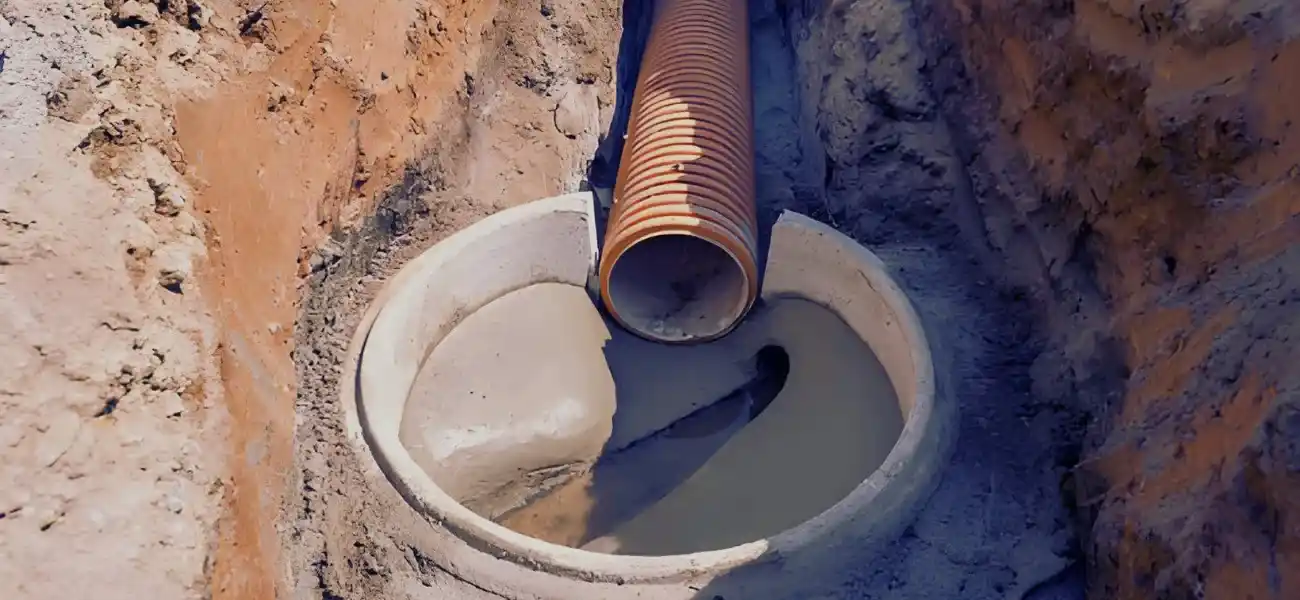
Traditional excavation involves digging a trench along the damaged section, exposing the pipe, replacing it directly, and refilling the trench afterward. This method handles virtually any level of damage and works even when trenchless methods aren’t an option, but it typically causes more disruption to the yard, driveway, or landscaping, and the restoration work afterward often adds meaningfully to the total cost and timeline.
Trenchless vs. Traditional: Which Method Fits Your Situation?
Trenchless repair generally fits situations with moderate, localized damage and where minimizing yard disruption matters, while traditional excavation fits severe damage or situations where trenchless equipment can’t be used.
The right choice depends on the pipe’s condition, depth, and surrounding site conditions rather than cost alone, so a camera inspection and a plumber’s assessment typically drive the final decision.
| Factor | Trenchless Repair | Traditional Excavation |
|---|---|---|
| Disruption to yard or driveway | Minimal; uses small access points | Significant; involves a full trench |
| Typical suitability | Cracks, root intrusion, moderate misalignment | Severe collapse, very shallow pipes, or sites unsuited to trenchless equipment |
| Project timeline | Often faster, since less digging and restoration is involved | Often longer, especially with landscaping or concrete restoration |
| Landscaping and hardscape cost | Generally lower, since little is disturbed | Can add significantly to the total, especially with mature landscaping or a driveway involved |
| Pipe depth considerations | Works well for deeper pipes where digging would be extensive | Can be more cost-effective for very shallow, easily accessible pipes |
How Much Does Sewer Line Repair Cost?
Sewer line repair typically costs between roughly $50 and $300 per linear foot depending on the method, with most residential projects falling somewhere in the thousands of dollars overall rather than tens of thousands.
Here’s a general comparison based on industry cost-guide data, followed by the specific factors that push a price up or down.
| Type of Work | What’s Typically Involved | General Cost Range |
|---|---|---|
| CCTV diagnostic inspection | Camera survey to locate and assess damage | A necessary first step, generally a smaller portion of the total project |
| Spot repair | Fixing a single, localized section of damage | Generally the lowest-cost repair option |
| Pipe lining (CIPP) | Trenchless resin liner installed through small access points | Priced per linear foot; often less than traditional excavation once restoration is included |
| Pipe bursting | Trenchless replacement pulling a new pipe through the old one | Priced per linear foot; typically similar to or slightly higher than lining |
| Traditional excavation and replacement | Full trench dig, pipe replacement, and site restoration | Priced per linear foot; often the highest total once landscaping or concrete restoration is included |
What typically affects the total:
- Repair method. Trenchless approaches often cost less overall than traditional excavation once yard and hardscape restoration are factored in, though not every situation qualifies for a trenchless fix.
- Length and depth of the damaged section. Longer or deeper sections require more material, time, and equipment to repair.
- What’s above the pipe. A driveway, mature landscaping, or a section running under the street adds restoration or permitting costs on top of the repair itself.
- Severity and type of damage. A single cracked joint costs far less to address than widespread deterioration or a full collapse.
- Permits and inspections. Many jurisdictions require a permit for sewer line work, particularly anything extending toward the street or a shared municipal connection.
- Whether a cleanout is added during the repair. Adding a two-way cleanout while the line is already open is typically far less expensive than retrofitting one as a separate project later.
Safety Guidance
Sewer line repair is a job for a licensed professional, and a few precautions matter while a repair is being planned or completed.
These guidelines help avoid injury and prevent a bad situation from getting worse in the meantime.
- Don’t attempt to excavate or access a damaged sewer line yourself. This work can involve wastewater exposure and requires confirming the location of other buried utilities first.
- Avoid running extra water through the home if you suspect a sewer line problem, since this can worsen a backup while repairs are being arranged.
- Don’t skip the camera inspection step, even if a contractor offers a quote without one. A repair estimate without a documented diagnosis is closer to a guess than an accurate plan.
- If sewage has backed up inside the home, avoid direct contact with it and keep the area clear until it’s professionally cleaned.
When Should You Call a Professional Plumber?
You should call a professional plumber as soon as you notice signs of a sewer line problem, such as recurring clogs across multiple drains, sewage odor in the yard, or drainage that stays slow after cleaning.
Acting early generally limits the damage and keeps more repair options, including less invasive trenchless methods, on the table.
- Multiple drains are slow or backing up around the same time.
- A drain keeps clogging again shortly after professional cleaning.
- You notice sewage odor, sinking ground, or unusually lush grass in the yard.
- You’re comparing quotes and want to confirm one includes a camera inspection.
- You’re unsure whether your situation is a candidate for trenchless repair.
A licensed plumber can run a camera inspection, explain which repair methods your specific situation qualifies for, and provide a written, itemized estimate before any work begins.
Frequently Asked Questions
Here are the questions homeowners most often ask about sewer line repair, along with direct answers.
Is trenchless sewer repair always cheaper than digging up the pipe?
Not always. Trenchless methods are often less expensive overall once landscaping and hardscape restoration are included, but very shallow, easily accessible pipes can sometimes be cheaper to repair through traditional excavation. A plumber can compare both options for your specific site.
How long does sewer line repair typically take?
A trenchless repair like pipe lining or bursting can often be completed in a single day for a straightforward job, while traditional excavation and replacement can take several days, especially if landscaping, concrete, or a driveway needs to be restored afterward.
Can any damaged sewer line be repaired with trenchless methods?
No. Trenchless repair generally works well for cracks, root intrusion, and moderate misalignment, but a fully collapsed or severely damaged section may not allow trenchless equipment to pass through safely, which typically means traditional excavation is needed instead.
What does a camera inspection cost, and is it worth it?
A camera inspection is typically a smaller portion of the overall repair cost, and it’s considered a necessary step rather than an optional add-on, since it’s the only reliable way to confirm the exact cause, location, and severity of a sewer line problem before choosing a repair method.
Does homeowners insurance cover sewer line repair?
Coverage varies by policy. Many standard policies exclude damage from gradual deterioration, tree root intrusion, or normal wear and tear, though some insurers offer optional sewer line coverage as an add-on. Reviewing your specific policy or asking your insurer directly is the most reliable way to know what’s covered.
Should I add a cleanout while my sewer line is being repaired?
If your property doesn’t already have a two-way cleanout, adding one while the line is open during a repair is typically far less expensive than installing one as a separate project later. It also makes future camera inspections and drain cleaning easier to perform.
Getting Your Sewer Line Repaired
If you’re seeing signs of a sewer line problem, a licensed plumber can run a camera inspection, explain which repair methods fit your situation, and provide a written estimate comparing trenchless and traditional options before any work begins.