Table of Contents
Most drain problems fall into five categories: clogs, slow drainage, gurgling sounds, foul odors, and backups. Each has different causes, ranging from hair and grease buildup to tree root intrusion or a venting issue. Knowing which type you’re dealing with helps you decide whether a simple fix will work or a plumber is needed.
A sink that drains slowly or a drain that gurgles after you run the dishwasher can seem minor at first. But these signals usually mean something specific is happening inside the pipe, and ignoring it often turns a small clog into a bigger backup. This article breaks down the most common drain problems, what typically causes each one, the warning signs worth paying attention to, and which fixes are safe to try before calling a professional. By the end, you’ll know how to tell a routine clog from a problem that needs expert attention.
What Counts as a Drain Problem?
A drain problem is anything that keeps wastewater from flowing normally through your home’s pipes. That can mean water draining slower than usual, water backing up instead of going down, unusual sounds coming from the pipes, or odors reaching the room. Some drain problems affect a single fixture, like one bathroom sink. Others affect multiple drains at once, which usually points to an issue further down the main line rather than a local clog.
Common Drain Problems at a Glance
Here’s how the most frequent drain problems compare, including their typical cause and the warning sign that usually shows up first.
| Problem | Common Cause | Warning Sign | Typical Fix |
|---|---|---|---|
| Clogged drain | Hair, grease, soap scum, food, or foreign objects | Water pools before draining | Plunger or drain snake; professional auger for stubborn clogs |
| Slow-draining sink or tub | Partial buildup along pipe walls | Water drains, but slower than normal | Clear the trap; flush with hot water; avoid chemical cleaners |
| Gurgling drain | Trapped air from a partial clog or venting issue | Bubbling or gurgling sound during or after use | Clear the clog; have venting checked if gurgling continues |
| Foul odor from drain | Dry P-trap or buildup of organic material | Sewer or rotten smell near the fixture | Run water to refill the trap; clean visible buildup |
| Multiple drains backing up | Blockage in the main sewer line | Two or more fixtures back up at the same time | Professional camera inspection and drain cleaning |
| Standing water around a floor or yard drain | Poor grading, impacted soil, or a blocked outlet | Puddling that doesn’t clear after rain | Grading correction or professional drain clearing |
Clogged Drains
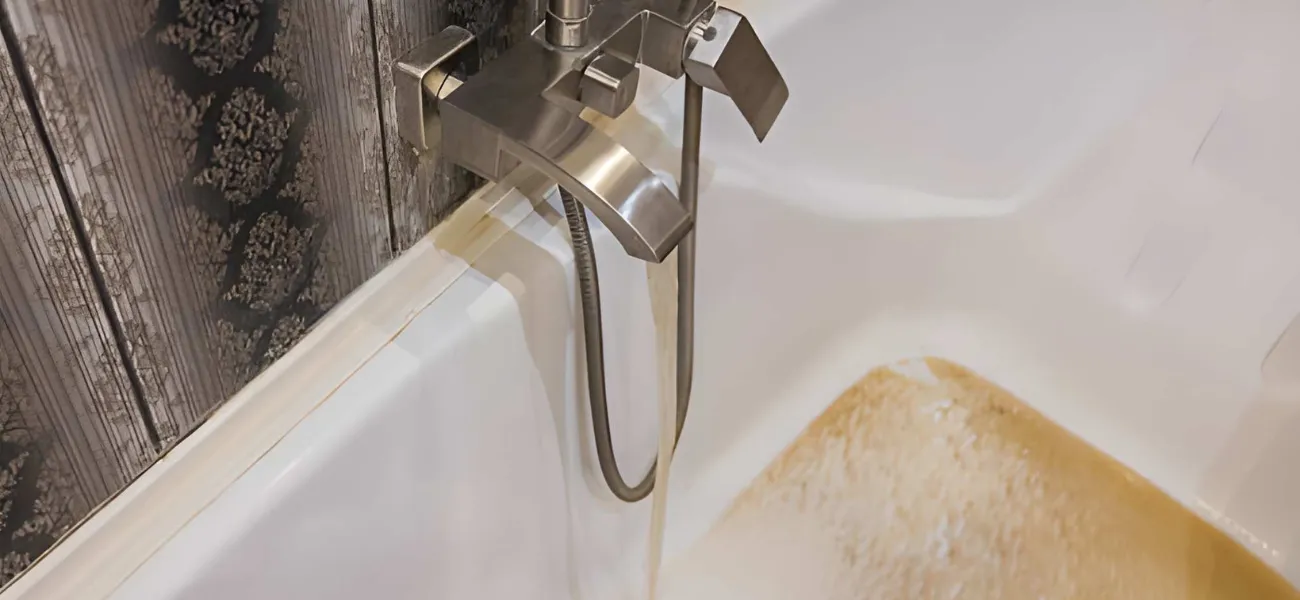
A clogged drain is the most familiar problem, and it’s almost always caused by something building up inside the pipe rather than a single dramatic blockage. In bathrooms, hair combines with soap residue to form a mass that catches more debris over time. In kitchens, grease and oil coat the inside of the pipe as they cool, and food particles stick to that layer until the opening narrows.
Foreign Objects
Small items that don’t belong in a drain, like cotton swabs, wipes, or toys, can also cause a sudden, complete blockage. Unlike buildup clogs, these often need to be physically removed rather than dissolved or flushed through.
Tree Root Intrusion
In older homes, tree roots can grow into small cracks or joints in underground sewer lines, searching for moisture. Once inside, roots expand and catch debris, which can eventually block the pipe. This type of clog usually affects the main line rather than one fixture, so it’s often diagnosed with a camera inspection.
Slow Drains
A drain that empties, just more slowly than it used to, is often an early warning sign rather than a full clog. It means something is narrowing the pipe but hasn’t blocked it completely yet. Left alone, a slow drain typically gets worse as more debris catches on the existing buildup.
Gurgling Sounds
A gurgling or bubbling sound when water drains usually means air is trapped somewhere in the system. This can happen because a clog is forcing air backward through the water, or because the drain’s venting isn’t working correctly. Proper venting lets air into the plumbing system so water can flow smoothly; without it, drains can gurgle, drain slowly, or lose the water seal in the P-trap.
Foul Odors
A sewer smell coming from a drain usually points to one of two things: a dry P-trap or buildup of organic material inside the pipe. The P-trap is the curved section of pipe that holds a small amount of water to block sewer gas from entering the room. If a drain isn’t used often, like a guest bathroom or a floor drain, that water can evaporate and let odor through.
Multiple Drains Backing Up at Once
If more than one drain in your home is slow or backing up at the same time, the problem usually isn’t in any single fixture. It’s more likely in the main sewer line that all those drains share. Common causes include tree root intrusion, a collapsed or bellied section of pipe, or a blockage from years of buildup. This is generally not a DIY-level problem, since diagnosing it usually requires a camera inspection of the line.
Standing Water Around Floor or Yard Drains
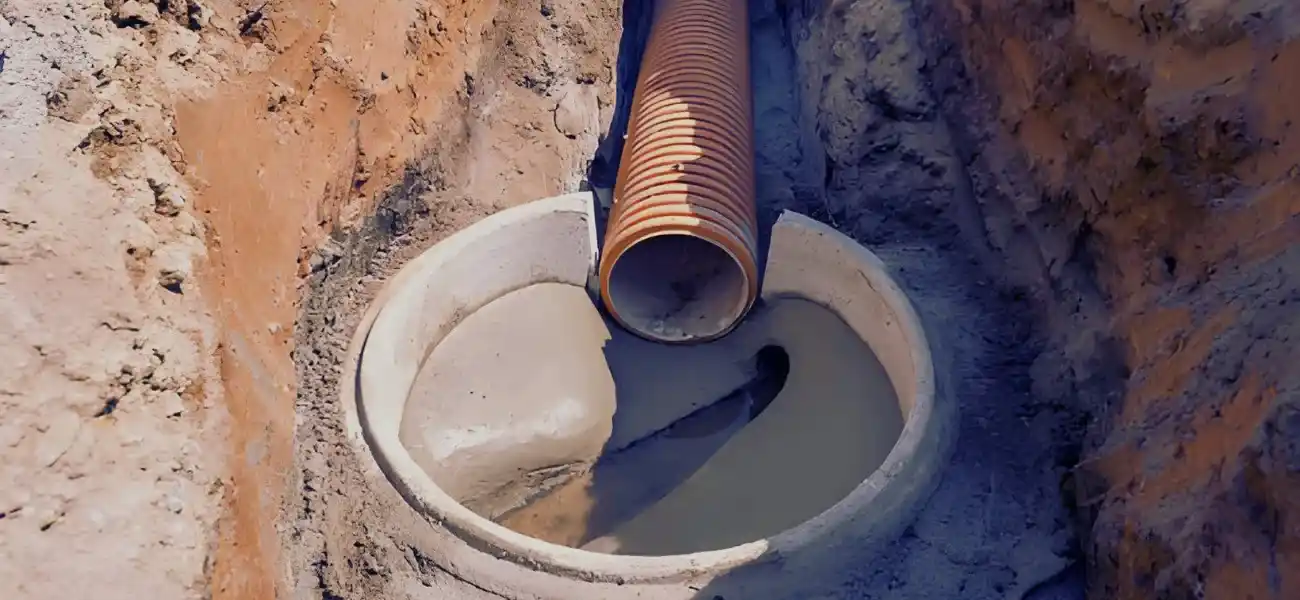
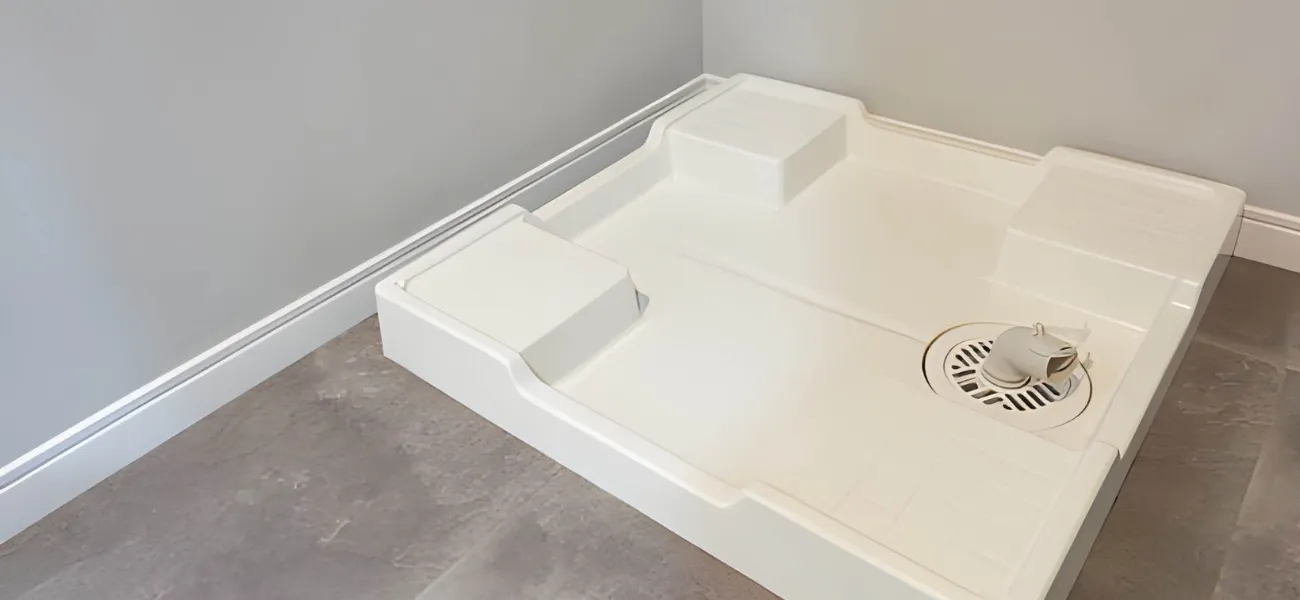
Outdoor and floor drains can develop a different kind of problem: water that pools and won’t clear. This is often caused by poor grading that directs water toward the drain faster than it can leave, soil that has become compacted and won’t absorb water, or a blockage in the drain’s outlet pipe. Persistent standing water can lead to soggy soil, foundation issues, and mosquito breeding, so it’s worth addressing rather than waiting for it to dry out on its own.
What You Can Safely Check Yourself
Before calling a plumber, a few checks are within normal homeowner skill:
- Try a plunger on a single slow or clogged fixture. A cup plunger works for sinks and tubs; a flange plunger works better for toilets.
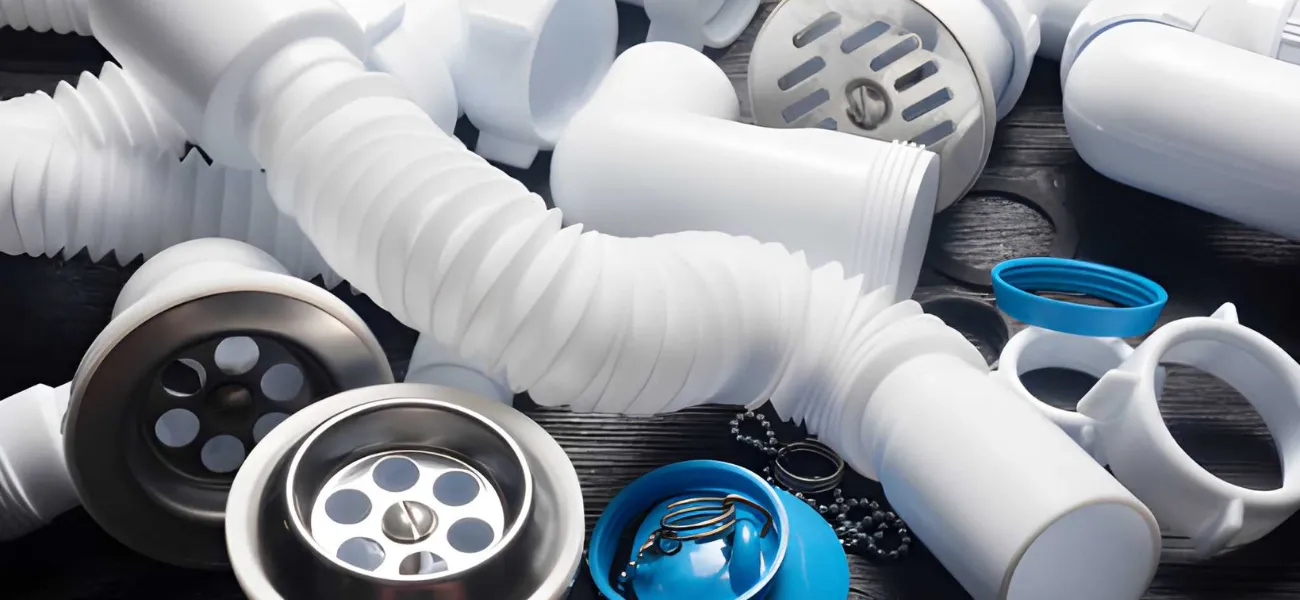
- Clear a visible P-trap. The curved pipe under a sink can usually be unscrewed by hand or with pliers to remove trapped hair or debris. Place a bucket underneath first.
- Flush with hot water after clearing visible debris to help move any remaining residue along.
- Check for a dry trap if you smell odor from a rarely used drain. Running water for a minute often solves it.
What to Avoid
A few common habits make drain problems worse instead of better:
- Avoid liquid chemical drain cleaners where possible. They can damage older pipes and create a hazardous situation if they don’t clear the clog and a plumber has to work on standing chemical-laced water afterward.
- Don’t force a drain snake past resistance you don’t understand. Older or corroded pipes can crack under pressure from the wrong tool.
- Don’t ignore a gurgling toilet or floor drain. This can be an early sign of a main line blockage, and continuing to use the fixture can lead to a backup.
- Don’t pour grease down any drain, even with hot water. It cools and solidifies further down the pipe.
Safety Guidance
Most drain problems are a matter of inconvenience, not danger, but a few situations call for caution:
- Don’t handle sewage backup without protective equipment. Wastewater can carry bacteria and other contaminants; this cleanup is best left to a professional with the right gear.
- Don’t attempt to open a pressurized cleanout or main line access point if you’re not familiar with the system. A professional plumber has the tools to relieve pressure safely.
- Stay away from standing water near electrical outlets or appliances.
- If a backup is affecting your main line, avoid running additional water (laundry, dishwasher, showers) until the blockage is cleared, since this can make the backup worse.
When to Call a Professional Plumber
A few signs mean it’s time to bring in a licensed plumber rather than continuing to troubleshoot:
- Multiple drains are slow or backing up at the same time.
- A plunger or basic snake doesn’t clear the clog.
- Gurgling continues after you’ve cleared a visible clog.
- You notice sewage odor throughout the house, not just near one fixture.
- Standing water in the yard doesn’t clear within a day or two after rain stops.
- The problem keeps coming back even after you’ve cleared it.
A plumber can use a drain camera to see exactly where a blockage is and what’s causing it, which avoids guesswork and unnecessary repairs.
Frequently Asked Questions
What is the most common cause of a clogged drain?
Hair combined with soap residue is the most common cause in bathrooms, while grease and food particles are the leading cause in kitchens. Both build up gradually along the inside of the pipe rather than blocking it all at once, which is why clogs often seem to appear suddenly even though they’ve been forming for weeks.
Why does my drain gurgle after I run the washing machine or dishwasher?
Gurgling usually means trapped air is escaping past a partial clog, or the drain’s venting isn’t letting air in properly. If it happens with only one appliance, check that fixture’s trap first. If it happens across multiple fixtures, the venting or main line may need a professional look.
Is it safe to use chemical drain cleaner regularly?
Regular use isn’t recommended. Chemical drain cleaners can corrode older metal pipes over time and don’t address the underlying buildup causing repeat clogs. A drain snake, hot water flush, or professional cleaning is generally a safer long-term approach.
Why do multiple drains in my house back up at the same time?
This usually means the blockage is in the main sewer line that all those fixtures share, rather than in any single drain. Common causes include tree root intrusion, pipe damage, or years of buildup. This situation typically needs a professional camera inspection to locate and clear.
How do I know if a slow drain is an early clog or something more serious?
A slow drain affecting just one fixture, with no odor or gurgling, is usually a local, early-stage clog you can try clearing yourself. If it’s paired with gurgling, odor, or if other drains are also affected, it’s more likely part of a larger issue further down the line.
Can standing water in my yard damage my home?
Yes. Water that consistently pools near your foundation instead of draining away can lead to soggy soil, foundation damage, and mold growth over time. Correcting the grading or clearing the drain’s outlet is usually more effective than waiting for it to resolve on its own.
Getting a Recurring Drain Problem Checked
If a drain problem keeps coming back, affects more than one fixture, or doesn’t respond to basic clearing, a licensed plumber can inspect the line, identify the actual cause, and explain your repair options before any work begins.