Table of Contents
Floor Drain Types: Basement, Garage, and Utility Drains Explained
Floor drains fall into a few main types: standard P-trap drains, basement drains that need a trap primer, garage and utility drains built for heavier debris, and backwater valve drains that guard against sewer backups. Each type is built around how often it’s used and what it needs to handle.
A floor drain looks simple, a grated opening set into concrete, but the type installed depends heavily on where it sits and how often water reaches it. A drain in a basement that floods once a year works differently than one in a garage that sees regular hose-downs or a utility room drain positioned under a water heater.
This article walks through the main types of floor drains, what sets each one apart in trap design, materials, and size, and where problems tend to show up for each type. It also covers the point where a floor drain issue needs a professional rather than routine homeowner maintenance.
Types of Floor Drains at a Glance
Standard, basement, garage, utility, and backwater valve floor drains each serve a different purpose and need a different setup to work reliably. The table below compares the main types before each is explained in more detail.
| Floor Drain Type | Typical Location | Trap Type | Key Feature |
|---|---|---|---|
| Standard floor drain | Laundry rooms, mechanical closets | P-trap | Basic grated opening over a P-trap |
| Basement floor drain | Unfinished basements, crawl spaces | P-trap, often with a trap primer | Used infrequently, prone to a dried-out trap seal |
| Garage or utility drain | Garage floors, workshop and utility areas | P-trap, sometimes with a sediment bucket | Handles more dirt and debris than an indoor drain |
| Backwater valve floor drain | Basements below the main sewer line’s elevation | P-trap with an integrated check valve | Blocks sewage from flowing back into the home during a surcharge |
| Trench or channel floor drain | Garages, patios, commercial kitchens | P-trap along a linear channel | Covers a wider area than a single point drain |
Standard Floor Drains
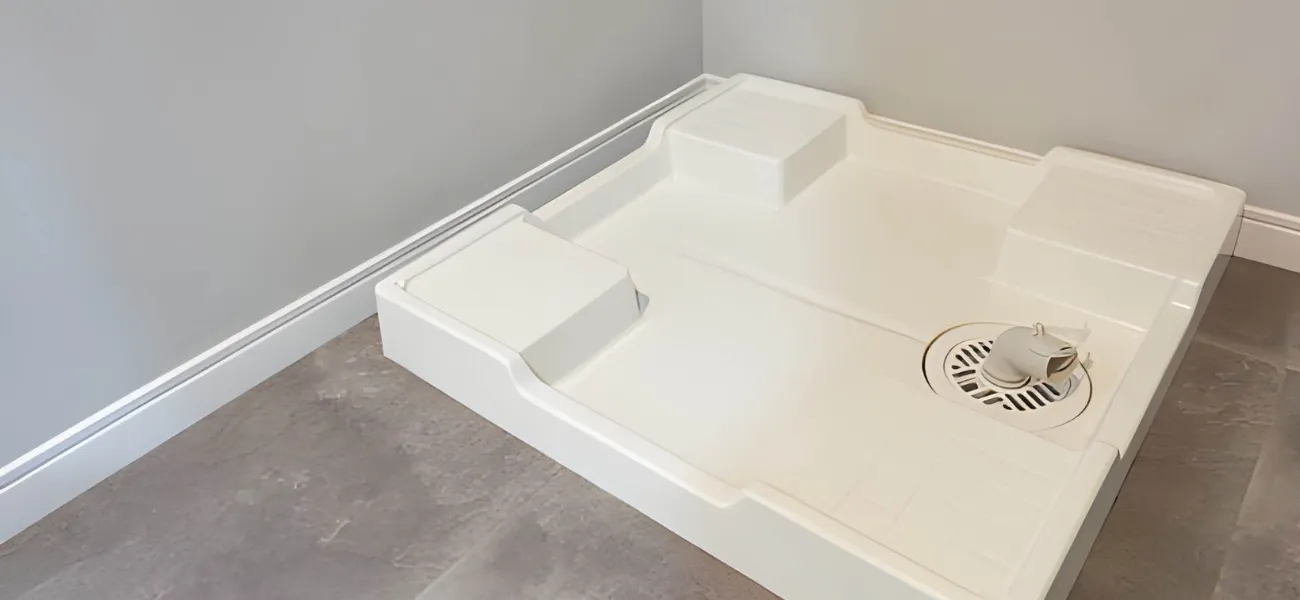
A standard floor drain is the most common type installed in laundry rooms, mechanical closets, and other indoor spaces where water occasionally needs a place to go. It relies on a basic P-trap set below a grated cover, the same trap design used in sinks and showers.
How Standard Floor Drains Work
Water enters through the grate and flows down into the P-trap, which holds standing water to block sewer gas from entering the room. Because rooms with a standard floor drain, such as a laundry area, tend to see water regularly from a washing machine or utility sink nearby, the trap usually stays full without extra help.
Where Standard Drains Fall Short
A standard floor drain installed in a space that doesn’t see regular water use, such as an occasionally used mechanical room, can develop the same dried-out trap problem as a basement drain. The fix is the same in either case: periodically pour water down the drain or install a trap primer.
Basement Floor Drains and Trap Primers
A basement floor drain exists mainly as a safety measure, giving water somewhere to go if a pipe leaks, a sump pump backs up, or heavy rain seeps in. Because it may go months without seeing water under normal conditions, it needs extra attention to keep its trap sealed.
Why Basement Drains Dry Out
A P-trap’s water seal evaporates gradually even with no leaks or plumbing issues, roughly an inch of standing water per week in dry conditions, faster near a furnace or during winter months when indoor humidity drops. Once the trap runs dry, sewer gas has a direct path into the basement, which is the most common cause of an unexplained sewer smell in a finished or unfinished basement.
How Trap Primers Work
A trap primer is a small device that periodically adds water to a floor drain’s trap to keep the seal intact. Some designs connect to a nearby sink’s drain line, diverting a small amount of water into the floor drain’s trap each time the sink is used. Others use a pressure-activated or electronic valve connected to the water supply, adding water on a set schedule regardless of how often nearby fixtures run. Many local plumbing codes require a trap primer on floor drains that are used infrequently, though the specific requirement depends on the code adopted in that jurisdiction.
Garage and Utility Floor Drains
A garage or utility floor drain has to handle more than water. Dirt, oil residue, small debris, and grit from vehicle tires or workshop use all pass through the same opening, which changes both the drain’s design and how often it needs cleaning.
Sediment Buckets and Debris Handling
Many garage and utility drains include a removable sediment bucket or strainer basket positioned above the trap, catching solid debris before it can settle into the pipe. Emptying this bucket periodically is a simple maintenance task that prevents the kind of gradual buildup that leads to a slow-draining or clogged floor drain.
Load Ratings for Vehicle Traffic
A floor drain grate installed where a vehicle will drive over it needs a higher load rating than one installed in a laundry room or basement. Grates are generally rated for pedestrian traffic, light vehicle traffic, or heavy vehicle traffic, and installing the wrong rating in a garage can lead to a cracked or collapsed grate under a vehicle’s weight. Confirm the correct load rating requirement with local code or the grate manufacturer before installation.
Floor Drains with Backwater Valves
A backwater valve floor drain adds a check valve to the standard P-trap design, specifically to prevent sewage from flowing backward into the home during a municipal sewer surcharge or a main line backup.
How Backwater Valves Work
The valve includes a flapper or gate mechanism that allows water to flow out toward the sewer under normal conditions but closes automatically if water starts moving in the opposite direction. This closure blocks sewage from rising up through the floor drain and into the basement during a heavy rain event or a blockage further down the municipal line.
When a Backwater Valve Is Recommended
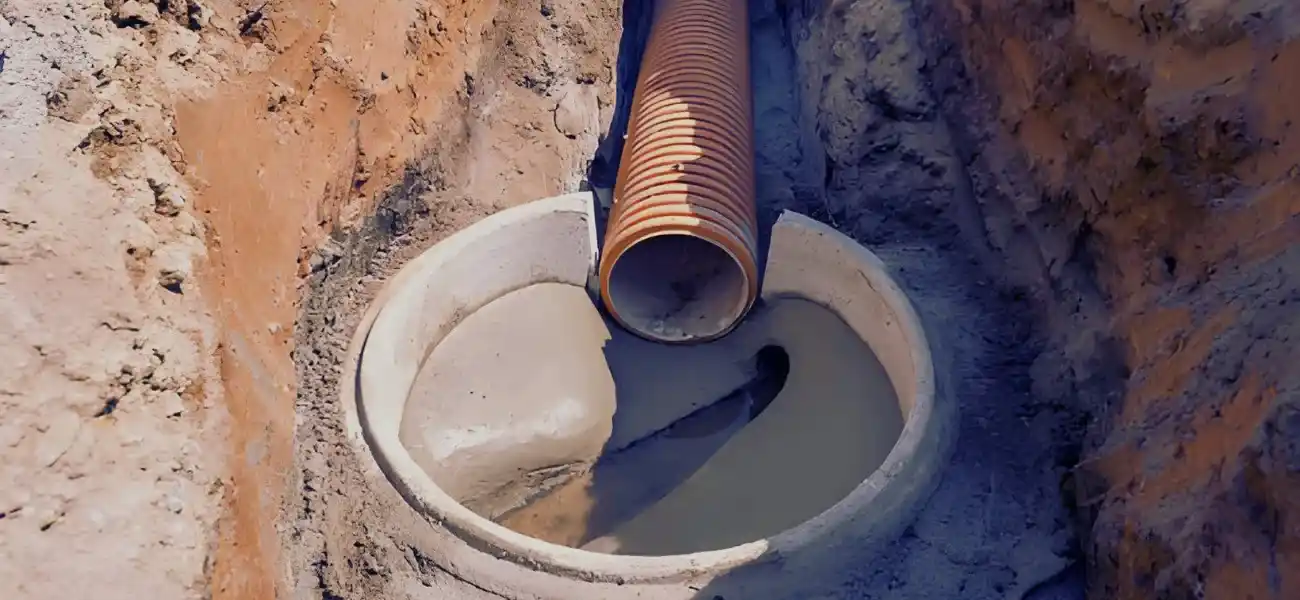
A backwater valve floor drain is most often recommended for basements positioned below the elevation of the main sewer line, since gravity alone can’t prevent backflow in that layout during a surcharge. Homes that have experienced a sewage backup through a floor drain in the past are also common candidates for adding this protection during a remodel or drain replacement. [LINK: Signs of a Main Sewer Line Clog] covers related warning signs that point to a main line issue rather than an isolated floor drain problem.
Floor Drain Materials and Grate Types
Floor drain bodies and grates are selected based on the environment they’re installed in, since some materials hold up to chemicals, heavy traffic, or moisture better than others.
| Material | Common Use | Notes |
|---|---|---|
| Cast iron | Older homes, heavy-duty commercial settings | Durable and heat-resistant, but can corrode over decades without proper coating |
| PVC or ABS | Modern residential installations | Resists corrosion, common for basement and utility drains |
| Stainless steel | Garages, utility rooms, food-service areas | Corrosion-resistant, cleans easily, handles chemical exposure well |
| Nickel-bronze or bronze | Decorative or finished interior spaces | Matches other interior fixture finishes, still functions as a standard grate |
Floor Drain Sizes
Floor drain openings and connecting pipes are sized based on how much water the drain needs to handle and what the space around it demands.
| Drain Size | Typical Use |
|---|---|
| 2-inch pipe | Light-use indoor floor drains, small laundry or utility rooms |
| 3-inch pipe | General basement and garage floor drains |
| 4-inch pipe | Higher-volume areas, some garage and commercial applications |
Common Problems by Floor Drain Type
Each floor drain type tends to develop a different problem depending on how it’s used.
- Standard and basement floor drains most often develop a sewer odor from a dried-out trap rather than an actual clog, especially if the room around them isn’t used daily.
- Garage and utility drains are more likely to clog from dirt, grit, or debris settling in the trap over time, especially without a sediment bucket in place.
- Backwater valve drains can develop a stuck or corroded flapper mechanism over years of use, which prevents the valve from sealing properly during a surcharge event.
- Trench and channel floor drains collect debris along a longer opening, similar to a linear shower drain, and need periodic cleaning along the full length of the channel.
Bathroom Drain Clogs and Fixes cover related troubleshooting for fixtures and lines connected to the same drainage system.
When to Call a Professional
Call a licensed plumber when a floor drain backs up repeatedly, a backwater valve needs inspection or replacement, or a trap primer isn’t keeping the seal from drying out on its own. A few specific situations call for professional help:
- A floor drain that backs up when other fixtures run, suggesting a blockage in a shared branch or main line rather than the floor drain itself.
- A persistent sewer odor that doesn’t go away after manually adding water to the trap, which can point to a failed trap seal, a cracked trap, or a venting issue.
- A backwater valve that hasn’t been inspected in several years, since a stuck or corroded flapper won’t be obvious until a surcharge event actually occurs.
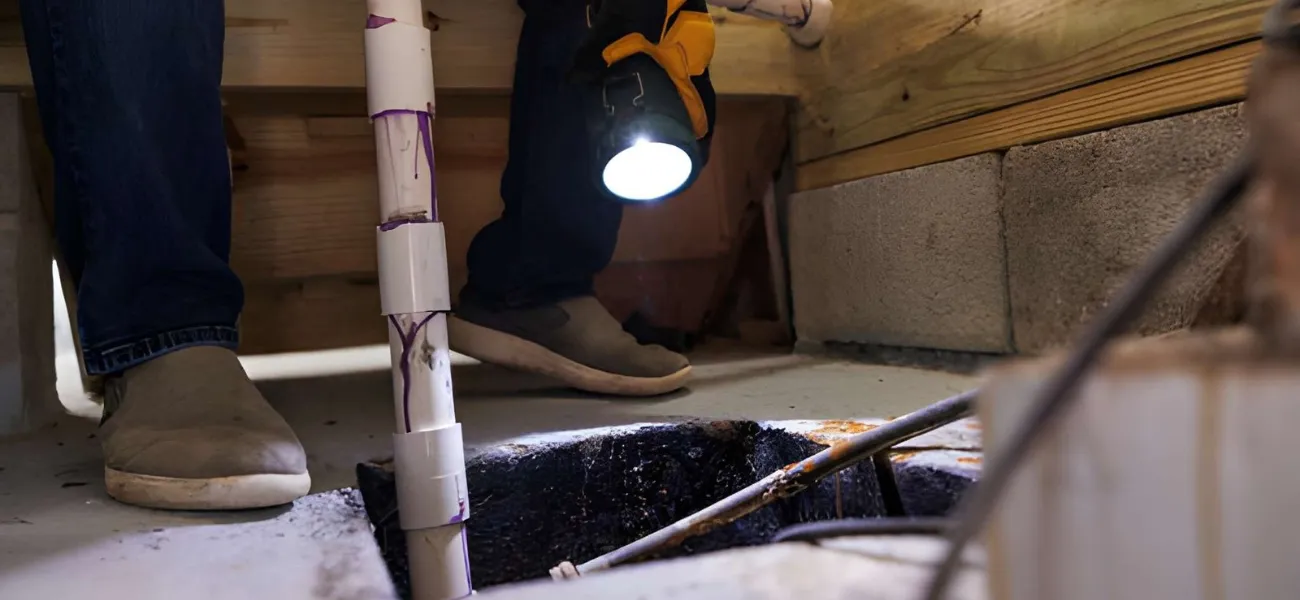
- Installing a new floor drain or backwater valve, since both usually require cutting into a slab and connecting properly to existing drain lines.
Homeowners should avoid opening a concrete slab to access a floor drain’s trap or main line connection without a licensed professional, since this work often involves permits and can affect the structural slab. When to Call an Emergency Plumber covers signs that a floor drain issue has become urgent.
Frequently Asked Questions
Why does my basement floor drain smell like sewer gas even though nothing is clogged?
This usually means the water in the drain’s P-trap has evaporated, which happens naturally in drains that go weeks or months without use. Pouring a cup or two of water down the drain restores the seal immediately, and installing a trap primer prevents the problem from recurring.
Do all floor drains need a trap primer?
No. A trap primer is mainly needed for floor drains that see infrequent water flow, such as basement or emergency drains, since their traps are the ones most likely to dry out. A floor drain near a washing machine or utility sink that runs regularly often stays sealed without one. Some local codes require primers on specific drain types regardless of use frequency.
What is the difference between a floor drain and a backwater valve floor drain?
A standard floor drain relies on a P-trap alone to block sewer gas, while a backwater valve floor drain adds a check valve that also blocks sewage from flowing backward into the home during a sewer surcharge. The backwater valve version is typically recommended for basements below the main sewer line’s elevation.
Can I install a floor drain in my garage myself?
Installing a new floor drain usually requires cutting into the concrete slab, sloping the surrounding floor toward the drain, and connecting properly to the existing drain line, all of which typically require a permit and inspection. This project is generally best handled by a licensed plumber rather than as a DIY installation.
Why does my garage floor drain clog more often than my basement drain?
Garage drains handle dirt, grit, and debris from vehicles and equipment that a basement drain rarely sees, so sediment builds up in the trap faster. A removable sediment bucket, when cleaned regularly, significantly reduces how often this type of clog occurs.
How often should a backwater valve be inspected?
There’s no single interval that fits every installation, since it depends on the valve’s design and how often the area experiences sewer surcharges. Many manufacturers recommend periodic inspection as part of routine plumbing maintenance, and a professional can confirm an appropriate schedule for a specific valve and location.
Next Steps
If a floor drain is smelling, backing up, or you’re planning a garage or basement project that needs one, Anaheim Plumbing can identify the right drain type and handle the installation or repair. Call 714-782-3420.