Table of Contents
A laundry drain is the pipe or fixture that carries wastewater away from a washing machine after each cycle. The four main types are the standpipe, the utility (slop) sink, the floor drain, and a direct line to the home’s drainage system. Each connects differently to the plumbing behind the wall.
Anyone who has watched water back up during the spin cycle knows a laundry drain isn’t as simple as “a pipe in the wall.” The setup behind your washing machine determines how fast water clears, how likely you are to see a backup, and what a plumber checks first when something goes wrong. This article walks through the main laundry drain types, how each one is built, the basic code rules that keep them working safely, and how to tell which one you have. By the end, you’ll know what to look for and when the issue is worth calling a professional.
What Is a Laundry Drain?
A laundry drain is the point where a washing machine’s discharge hose connects to your home’s plumbing. During the drain cycle, the machine’s internal pump pushes used water out through a flexible hose. That hose has to terminate somewhere that safely carries the water into the sewer or septic line without letting sewer gas or wastewater flow back toward the machine.
The connection point is what defines the “type” of laundry drain. It’s usually one of a small number of standard setups, and each has its own installation rules.
Main Types of Laundry Drains
Most homes use one of four drain types. Here’s how they compare.
| Drain Type | How It Works | Typical Location | Main Advantage | Main Drawback |
|---|---|---|---|---|
| Standpipe | Vertical pipe with a built-in P-trap; hose hooks over the top | Behind or beside the washer, inside a wall | Compact, hidden, low spill risk when sized correctly | Can overflow if undersized or clogged |
| Utility (slop) sink | Hose drains into a freestanding or wall-mounted sink basin | Laundry room or basement | Easy to see clogs or overflow; doubles as a wash basin | Takes up floor space; open basin can splash |
| Floor drain | Hose runs to a drain set into the floor | Basements, garages, older homes | Simple, low-cost; handles overflow water too | Needs a trap primer or backwater valve to stop sewer gas and backup |
| Direct / underground line | Drain pipe runs below the slab to the main waste line | New construction, slab-on-grade homes | No visible standpipe or hose | Harder to inspect or repair without breaking concrete |
Standpipe
A standpipe is the most common setup in modern homes. It’s a vertical section of pipe, usually 1½ to 2 inches wide, that rises out of the wall or floor near the washer. The washer’s drain hose curves into a “J” shape and hooks over the top of the pipe rather than gluing in place. This gap prevents dirty water from siphoning back into the machine.
Below the visible pipe sits a P-trap, a curved section that holds standing water and blocks sewer gas from entering the laundry room.
Utility or Slop Sink
Some laundry rooms drain into a utility sink instead of a standpipe. The hose sits inside the sink basin, and water drains through the sink’s own trap. This setup makes it easy to spot a clog early, since water pools visibly in the sink instead of hiding inside a wall.
Floor Drain
A floor drain sits flush with the floor and catches both the washer’s discharge hose and any accidental overflow. It’s common in basements and older homes. Because a floor drain sees water infrequently between laundry loads, its trap can dry out and let sewer odor into the room — a reason many codes now require a trap primer or a backwater valve on this type.
Direct or Underground Line
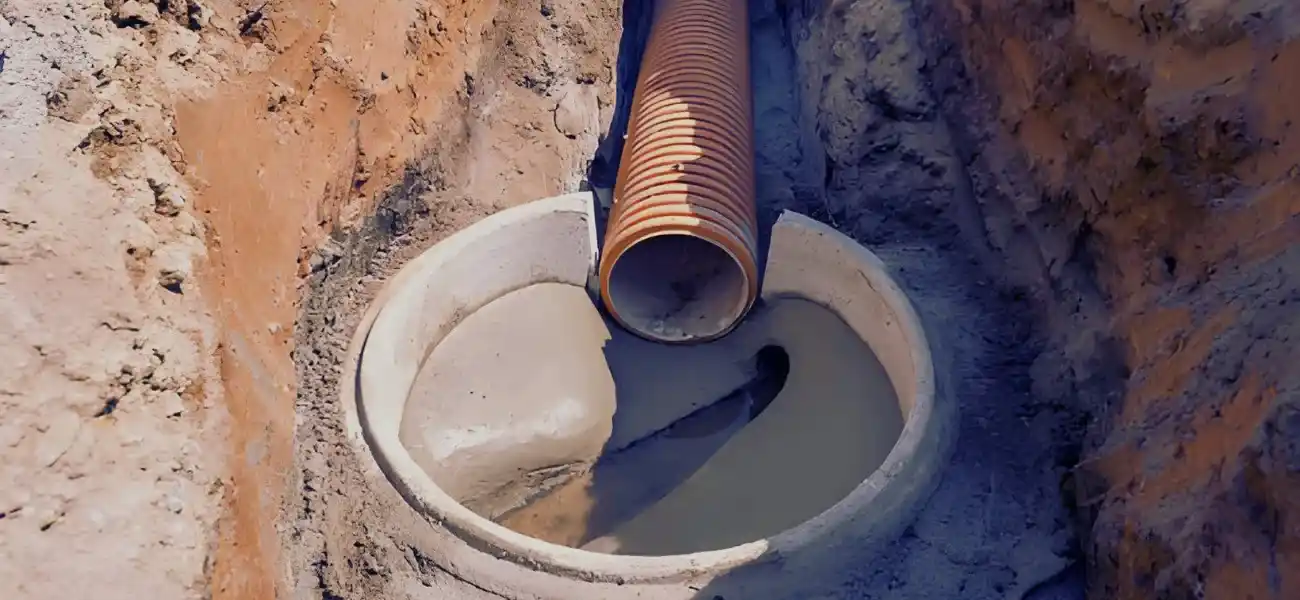
In some slab-on-grade construction, the laundry drain runs beneath the floor to connect directly with the home’s main waste line, with no standpipe or sink visible in the room. This keeps the laundry area open but makes future repairs more involved, since accessing the pipe means going through the slab.
How a Standpipe Drain Actually Works
Because the standpipe is the setup most homeowners have, it’s worth understanding the parts in order:
- Drain hose — carries water from the washer’s internal pump to the standpipe.
- Standpipe — the vertical pipe the hose hooks into; it must stay open at the top so air can enter and break any siphon.
- P-trap — the curved fitting below the standpipe that holds water and blocks sewer gas.
- Vent pipe — a separate pipe that lets air into the drain system so water can flow without gurgling or pulling the trap dry.
Plumbing codes set height ranges for each part because getting them wrong causes real problems. If the standpipe is too short, water can overflow during a fast pump cycle. If it’s too tall, the pump may not have enough force to push water all the way up, and the machine can leave water and sediment behind.
Code requirements vary by jurisdiction — some follow the Uniform Plumbing Code (UPC), others the International Plumbing Code (IPC) or a state-specific code like California’s — so exact numbers differ slightly between areas. As a general guide, sources including the California Plumbing Code set the standpipe diameter at two inches, with the P-trap weir positioned six to 18 inches above the floor, and the standpipe height set at a minimum of 18 inches and a maximum of 42 inches above the trap weir. Appliance manufacturers also publish their own minimum and maximum standpipe heights in the installation manual, so it’s worth checking that document too. A licensed plumber can confirm what applies in your area.
How to Tell Which Drain Type You Have
You don’t need to open a wall to identify your setup. Look behind the washer:
- A short pipe sticking out of the wall or floor with a hose hooked over it — that’s a standpipe.
- A basin the hose sits inside — that’s a utility sink.
- A round or square grate in the floor near the washer — that’s a floor drain.
- No visible pipe, hose, or sink at all — the drain likely runs beneath the slab to a direct line.
If you’re not sure, a plumber can trace the line in a few minutes during a routine visit.
Common Problems by Drain Type
Each setup tends to fail in its own way:
- Standpipes most often overflow because of a lint clog in the trap or a hose seated too far down inside the pipe, which can cause siphoning.
- Utility sinks clog from lint and soap buildup in the sink’s own trap, similar to a bathroom sink.
- Floor drains dry out between uses, letting sewer odor into the room, or back up if the trap primer fails.
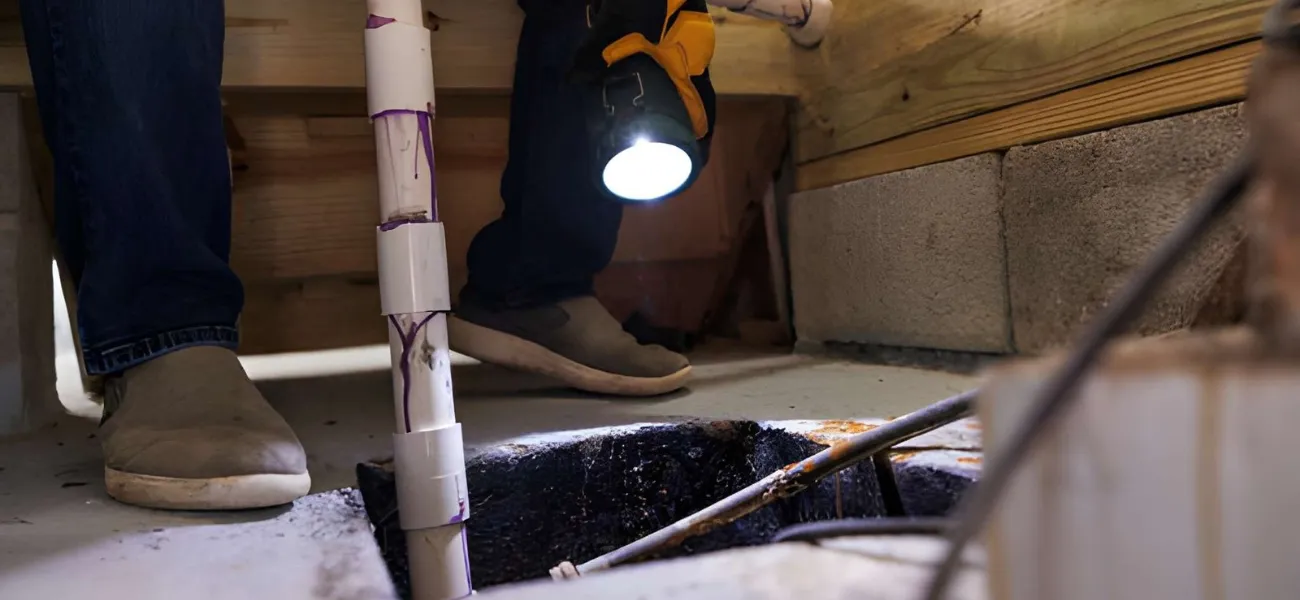
- Underground lines are the hardest to diagnose from the surface — a slow drain with no visible cause is usually a sign to call a plumber for a camera inspection.
Safety Guidance
A slow or overflowing laundry drain is usually a homeowner-level nuisance, not a hazard, but a few situations call for caution:
- Stay away from standing water near any electrical outlet or the washer’s power cord. Water and electricity are a dangerous combination.
- Don’t cut into a wall or floor to inspect a pipe you can’t see. Underground and in-wall lines can run near electrical wiring or structural elements.
- Don’t attempt to reroute a drain that ties into your home’s main waste line. This is regulated plumbing work in most areas and typically requires a permit.
- If you smell sewer gas consistently, treat it as a plumbing issue, not just an odor problem, and have it checked rather than masking it with air fresheners.
When to Call a Licensed Plumber
A few signs point to a job beyond a simple DIY fix: water backing out of the standpipe during the drain cycle, a floor drain that gurgles or smells even after running water down it, a laundry room that floods repeatedly, or a drain you can’t locate at all. These usually point to a clog further down the line, an undersized pipe, or a venting problem — all things a licensed plumber can diagnose with the right tools, including a drain camera when needed.
If you’re planning a new laundry room or converting a closet into one, it’s worth having a plumber confirm the drain type and sizing before installation rather than after, since moving a standpipe or adding a floor drain later usually means opening a wall or floor.
Frequently Asked Questions
What size drain pipe does a washing machine need?
Most codes call for a minimum 1½-inch drain, though two inches is standard in newer installations. A wider pipe handles larger wash loads better and lowers the chance of overflow. Always confirm the requirement with your local plumbing code or a licensed plumber before installing or replacing a line.
Can a washing machine drain into a regular floor drain?
Yes, in many jurisdictions, but the floor drain typically needs a trap primer or backwater valve to prevent sewer gas and backflow. Some manufacturers also require a siphon break kit for floor drain installations. Check your washer’s installation manual and local code before connecting this way.
Why does my standpipe overflow during the spin cycle?
The most common cause is a lint clog in the P-trap or drain line, which slows water enough that the pump outpaces the drain. A hose seated too far down inside the standpipe can also cause siphoning issues. Clearing the trap or repositioning the hose often resolves it.
Do I need a vent pipe for a laundry drain?
Yes. The vent lets air into the drain system so water flows smoothly instead of gurgling or pulling water out of the P-trap. Without proper venting, the trap can lose its water seal and let sewer gas into the room.
What’s the difference between a standpipe and a utility sink drain?
A standpipe is a hidden vertical pipe inside a wall with a hose hooked over the top, while a utility sink is an open basin the hose sits inside. The sink makes clogs easier to spot early, but it takes up more floor space.
Can I install a laundry drain myself?
Basic maintenance, like clearing lint from a trap, is usually within homeowner skill. Installing or relocating a standpipe, floor drain, or direct line involves code-regulated plumbing work and often a permit, so this part is best left to a licensed plumber.
Why does my laundry room smell like sewer gas?
This usually means a P-trap has dried out or lost its water seal, commonly in floor drains that go unused between laundry loads. Running water down the drain periodically can help, but a persistent smell should be checked by a plumber, since it can also signal a venting problem.
Getting Your Laundry Drain Checked
If your laundry drain overflows, smells, or you simply aren’t sure what type you have, a licensed plumber can inspect the setup, confirm it meets current code, and explain your options before recommending any repair or replacement work.