Table of Contents
A smelly drain is usually caused by a dry P-trap, buildup of grease or food debris, or a blocked plumbing vent. A dry P-trap lets sewer gas into the room, while buildup creates bacterial odor as it decomposes. Most causes can be fixed with a hot water flush, a baking soda and vinegar treatment, or a P-trap cleaning.
A bad smell coming from a sink, shower, or floor drain is one of those problems that’s easy to notice and easy to put off. But drain odor almost always has an identifiable cause, and most of them are simple to fix once you know what you’re dealing with. This article explains the most common reasons a house drain starts to smell, how to figure out which one applies to your situation, and the specific fix for each. It also covers when a smelly drain is more than a nuisance and needs professional attention.
What Causes a Smelly Drain?
Every drain in your home connects to a shared sewer or septic system, which means every drain has the potential to let sewer gas or bacterial odor into the room if something isn’t working as it should. Most causes fall into two groups: a barrier that’s supposed to block odor has stopped working, or something inside the pipe is decomposing and creating the smell itself.
Common Causes of a Smelly Drain
Here’s how the most frequent causes compare, along with the smell they typically produce and the fix that addresses each one.
| Cause | Typical Smell | Fix |
|---|---|---|
| Dry P-trap | Sewer or rotten egg smell | Run water to refill the trap |
| Grease and food buildup | Musty, garbage-like smell | Hot water flush; baking soda and vinegar |
| Dirty garbage disposal | Rotten food smell in kitchen | Clean the disposal; run ice and citrus peels |
| Blocked or damaged vent pipe | Persistent sewer smell, worse over time | Professional vent inspection |
| Mold or mildew in the pipe | Musty, damp smell | Clean visible buildup; address slow drainage |
| Sewer line problem | Strong sewer smell affecting multiple drains | Professional sewer line inspection |
Dry P-Trap
The P-trap is the curved section of pipe beneath most sinks, tubs, and floor drains. It’s designed to hold a small amount of water at all times, and that water acts as a seal that blocks sewer gas from traveling up through the drain and into the room. If a drain isn’t used often, like a guest bathroom sink, a rarely used floor drain, or a fixture during a vacation, that water can evaporate. Once the trap is dry, there’s nothing stopping sewer gas from coming through.
Fix: Run water for 10 to 15 seconds in a sink, or let a shower or tub run for about a minute, to refill the trap. For drains you don’t use regularly, running water through them every few weeks prevents the trap from drying out again.
Grease, Food, and Soap Buildup
Everyday use sends grease, soap, hair, and food particles down the drain, and some of it sticks to the inside of the pipe instead of washing all the way through. As that buildup sits and decomposes, it creates a musty or garbage-like odor, even in a drain that isn’t fully clogged. This is one reason a drain can smell bad while still draining at a normal speed.
Fix: Flush with hot water, then treat with a mixture of baking soda and vinegar, letting it sit for about an hour before a final hot water flush. If the smell returns quickly, the P-trap likely needs to be removed and cleaned by hand.
Dirty Garbage Disposal
In the kitchen, the smell often has nothing to do with the drain pipe itself. Garbage disposals catch food particles in the blades and housing, and that trapped food decomposes and produces odor that travels back up through the sink.
Fix: With the power cut at the breaker, clean the underside of the rubber baffle by hand and run ice cubes with citrus peels through the disposal to help clean the blades and freshen the smell.
Blocked or Damaged Vent Pipe
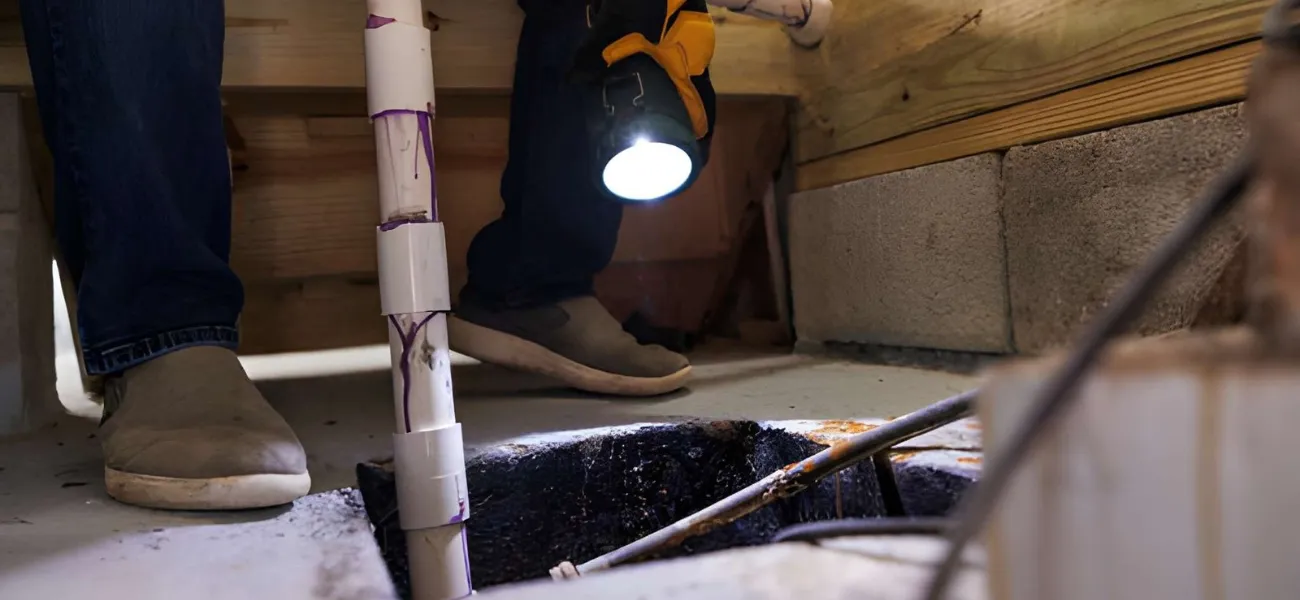
Plumbing vents let sewer gas travel safely out of the home through the roof instead of back through the drains. If a vent becomes blocked, often by debris or leaves, or is damaged, gases have nowhere to go except back into the house through the nearest drain. This cause tends to produce a persistent smell that doesn’t improve with cleaning, since the source isn’t buildup inside the trap or pipe.
Fix: Vent pipes are usually on the roof and involve access and safety considerations, so this is best diagnosed and cleared by a licensed plumber.
Mold or Mildew
A musty, damp smell, as opposed to a sharper sewer odor, can point to mold or mildew growing inside the pipe. This is more common in drains that are slow to clear, since standing water creates the damp environment mold needs to grow.
Fix: Clean any visible mold near the drain opening, and address the underlying slow drainage, since resolving that removes the conditions mold needs to keep growing.
Sewer Line Problems
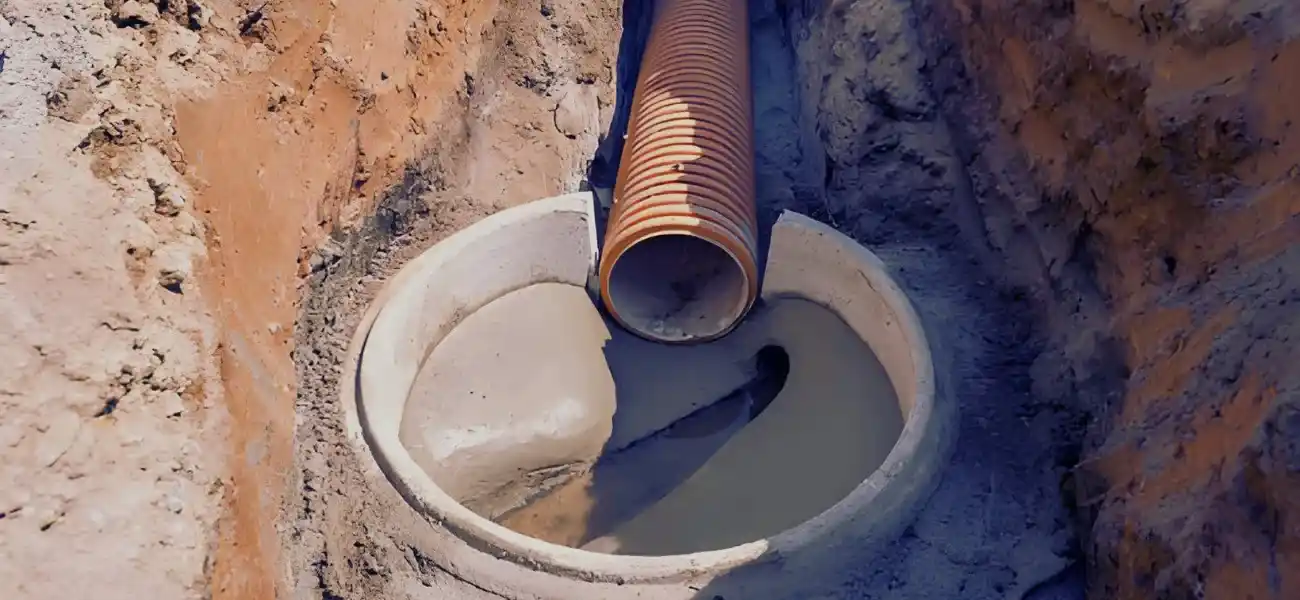
If the smell is strong, affects more than one drain at the same time, and doesn’t go away after basic cleaning, the issue may be in the main sewer line rather than an individual fixture. Cracks, blockages, or a damaged section of pipe can let sewage odor, and in some cases sewage itself, back up into the home.
Fix: This isn’t a DIY-level problem. A licensed plumber can inspect the line with a camera to confirm whether the sewer line is the source and recommend the right repair.
How to Identify Which Drain Is the Source
If the smell is noticeable in a room but you’re not sure which fixture is causing it, try the glass test: fill a glass with water from the suspected drain, and fill a second glass from a different room. Smell both. If only the first glass smells bad, the issue is likely local to that drain or the faucet itself. If both smell, the water supply itself may be worth checking separately.
What to Avoid
- Don’t ignore a sewer smell, assuming it will go away on its own. Sewer gas can contain hydrogen sulfide, which is a health hazard in enough concentration and can also be flammable.
- Don’t rely on air fresheners or drain deodorizers to mask a persistent smell. These cover the odor without addressing the cause, and the underlying problem typically continues.
- Don’t mix cleaning chemicals. Combining bleach, ammonia, or different drain products can release toxic fumes.
- Don’t assume every smell is the same cause. A sewer smell and a musty smell point to different problems and different fixes.
Safety Guidance
- If you smell gas along with a sewer odor, leave the property and contact your gas utility or emergency services from a safe location. This combination can indicate a separate and more urgent issue.
- A strong, persistent sewer smell throughout the house should be treated as a plumbing issue that needs prompt attention, not just an odor to manage, since hydrogen sulfide buildup carries health risks.
- Don’t attempt to access or clear a roof vent yourself. This involves height and access risks best left to a professional.
- Wear gloves when cleaning a P-trap or garbage disposal, and keep the power to a disposal cut off at the breaker while working on it.
When to Call a Professional Plumber
A few signs mean it’s time to call a licensed plumber rather than continuing to troubleshoot:
- The smell persists after refilling the P-trap and cleaning visible buildup.
- More than one drain smells at the same time.
- The odor is a strong, consistent sewer smell rather than a musty or garbage-like one.
- You suspect a blocked or damaged vent pipe.
- The smell is paired with slow drainage, gurgling, or visible backup.
A plumber can pinpoint whether the cause is a local trap issue, a venting problem, or something in the main sewer line, which avoids guesswork and repeated attempts at the wrong fix.
Frequently Asked Questions
Why does my bathroom sink smell like sewer gas even though it drains fine?
This usually means the P-trap has dried out rather than there being a clog. A drain can flow normally while still losing its water seal if it isn’t used often. Running water for 10 to 15 seconds typically resolves it, and doing this periodically in rarely used drains prevents it from happening again.
How often should I clean my drains to prevent odor?
Running hot water through drains weekly, and treating them with baking soda and vinegar every few weeks, helps prevent buildup from accumulating enough to cause odor. Rarely used drains benefit from running water every few weeks specifically to keep the P-trap filled.
Is a smelly drain dangerous?
A mild odor from buildup usually isn’t dangerous, but a strong, persistent sewer smell can indicate a buildup of sewer gas, which may contain hydrogen sulfide. In sufficient concentration, this can pose health risks and is flammable, so a strong sewer smell that doesn’t resolve with basic fixes should be checked by a professional.
Why does my whole house smell like sewage?
When the smell affects more than one drain at once, the cause is usually a shared issue, like a main sewer line problem or a widespread venting issue, rather than a single fixture. This typically needs a professional camera inspection to identify the source.
Can I use bleach to get rid of a smelly drain?
Bleach can kill some surface bacteria but doesn’t dissolve grease or food buildup the way a hot water and baking soda and vinegar treatment does, and it shouldn’t be mixed with other cleaning chemicals. A mechanical cleaning of the P-trap is usually more effective for persistent odor.
Why does my kitchen sink smell even though I don’t have a garbage disposal clog?
The smell is often coming from decomposing food trapped around the rubber baffle or in the drain opening itself rather than a true clog. Cleaning this area by hand, along with a hot water flush, usually resolves odor that isn’t tied to a blockage.
Getting a Persistent Drain Odor Checked
If a smelly drain doesn’t clear up after basic cleaning, affects more than one fixture, or smells like a strong sewer odor, a licensed plumber can inspect the source and explain your options before recommending any repair.