Table of Contents
A bathroom drain typically slows or clogs when hair, soap scum, and hard water minerals combine inside the P-trap or the pipe just past it. Removing the stopper, clearing visible hair, and flushing hot water often fix mild clogs, while recurring backups or standing water call for a professional inspection.
A bathroom sink or shower that drains slower every week is one of the most familiar plumbing complaints in any home. Water pools around the feet during a shower, the sink takes longer to empty after brushing teeth, and a faint odor sometimes lingers near the drain. Most of these problems start close to the surface, in the stopper, the trap, or the first few feet of pipe.
This article explains what typically causes a bathroom drain to clog, how sink drains differ from shower and tub drains, the warning signs worth watching for, and which fixes are safe to try at home. It also covers the point where a slow drain stops being routine maintenance and starts pointing to a bigger problem in the line.
How a Bathroom Drain System Fits Together
A bathroom drain includes more parts than the opening at the bottom of the sink or tub. Water and waste travel through several connected pieces before reaching the home’s main drain line, and a clog can form in any of them.
Most bathroom sinks use a pop-up stopper connected to a lift rod, which sits above a P-trap, the curved section of pipe that holds standing water to keep sewer gas out of the bathroom. From the trap, water flows into a branch drain that eventually joins the main line. Sink drains also include an overflow channel built into the basin, which lets water escape into the drain if the sink fills past the rim.
Shower and tub drains work differently. A shower typically has a flat strainer or a flip-toggle stopper set directly into the shower base, connected to a P-trap positioned lower in the floor rather than under a cabinet. Tubs add an overflow drain near the top of the tub wall, connected to the same trap as the main drain, along with a trip lever or pop-up mechanism inside the drain itself. These extra parts give shower and tub drains more places for hair and debris to collect before reaching the trap.
What Causes a Bathroom Drain to Clog
Bathroom drains clog more often than most other household drains because they handle hair, soap, and personal care products every single day. Most blockages build up gradually rather than forming all at once.
Hair
Hair is the leading cause of bathroom drain clogs in both sinks and showers. Strands that wash down during grooming, brushing, or showering catch on the stopper mechanism or the trap and gradually mat together into a dense clump. Once a mat forms, it traps soap residue and other debris, making the clog grow faster than hair alone would.
Soap Scum
Soap scum forms when soap reacts with minerals in water, leaving a sticky, filmy residue on the inside of the pipe. This residue clings to pipe walls and catches hair and skin flakes as they pass, narrowing the pipe over time. Bar soap tends to contribute to this buildup more than liquid soap.
Hard Water Mineral Deposits
In areas with hard water, calcium and magnesium buildup can coat the inside of a drain pipe alongside soap scum, narrowing the passage further and giving hair and debris more surface area to stick to. This buildup tends to be more noticeable around faucet aerators and showerheads, but it also affects the drain itself.
Toothpaste, Shaving Cream, and Cosmetic Residue
Toothpaste, shaving cream, and powdery cosmetics such as foundation or blush do not dissolve fully in water. Over time, these products settle into the same residue that soap scum leaves behind, adding to the material that traps hair inside the pipe.
Small Objects
Bottle caps, cotton swab tips, jewelry, and razor cartridge covers occasionally fall into a sink or shower drain and lodge in the stopper mechanism or trap. These objects will not clear with hot water or a plunger and usually require the stopper or trap to be removed.
Common Bathroom Drain Clog Causes at a Glance
Hair, soap scum, hard water minerals, cosmetic residue, and small objects cause most bathroom drain clogs, each collecting in a different part of the fixture. The table below summarizes where each cause typically builds up and the warning sign it produces.
| Cause | Where It Typically Builds Up | Common Warning Sign |
|---|---|---|
| Hair | Stopper mechanism, trap, or drain strainer | Slow draining that worsens over days or weeks |
| Soap scum | Pipe walls near the trap | Gradual slowdown, sticky residue if the trap is opened |
| Hard water minerals | Coating pipe walls alongside soap scum | Slower drainage in homes with known hard water |
| Toothpaste and cosmetic debris | Mixed into soap scum residue | Gritty buildup, mild odor |
| Small objects | Stopper mechanism or trap | Sudden blockage, water pooling immediately |
Warning Signs of a Bathroom Drain Problem
Most bathroom drain issues show warning signs before turning into a full stoppage. Catching them early often means the difference between a quick fix and a bigger repair.
Slow Draining Water
Water that lingers around the feet during a shower, or takes longer than usual to clear from the sink, is typically the first sign of a partial clog. A slight slowdown often responds to cleaning the stopper and trap, while water that takes several minutes to clear may already have a substantial blockage.
Standing Water in the Tub or Shower
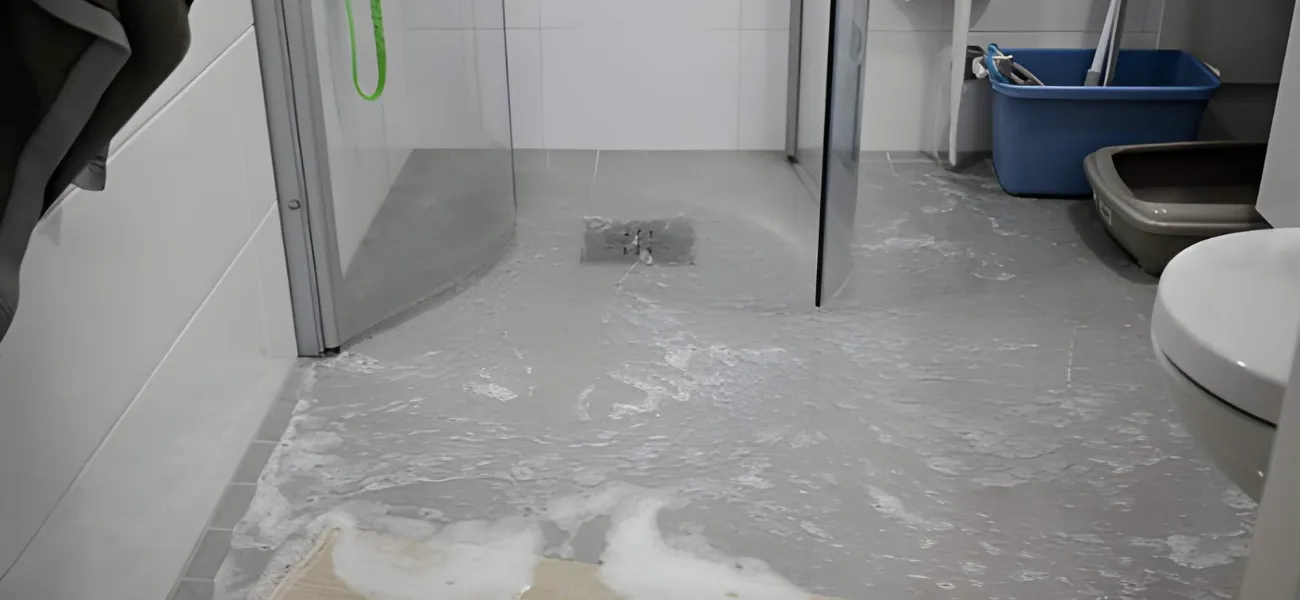
Water that pools and does not drain between uses points to a more advanced clog than a simple slowdown. This is common when a hair mat has fully lodged in the trap or the drain body itself.
Gurgling Sounds
A gurgling noise from the drain, especially right after the water shuts off, usually means trapped air is escaping past a partial clog. It can also occur if a nearby fixture, such as a toilet, is affecting airflow in a shared vent line.
Foul Odors
A musty or sour smell near a bathroom drain is often caused by hair and soap residue decomposing inside the trap. Cleaning the trap resolves most odor issues, though a smell that returns quickly can mean debris sits further down the line.
Drain Flies
Small flies hovering near a bathroom sink or shower drain often breed in the organic buildup inside the trap. Their presence usually signals that hair and soap scum have accumulated enough to need cleaning.
Bathroom Sink Drains vs. Shower and Tub Drains
Although sink, shower, and tub drains share the same basic causes of clogs, their designs create different weak points.
| Feature | Bathroom Sink Drain | Shower or Tub Drain |
|---|---|---|
| Stopper type | Pop-up stopper with a lift rod | Flip-toggle, screen strainer, or trip-lever drain |
| Trap location | Under the sink, in the cabinet | In the floor or behind the tub’s access panel |
| Most common clog point | Stopper mechanism and P-trap | Drain body and trap below the shower base |
| Overflow feature | Built into the basin near the rim | Present in tubs, tied into the main drain line |
| Access for cleaning | Simple, hand-accessible trap | Often requires removing the stopper assembly or an access panel |
Safe Checks and DIY Fixes You Can Try First
Before calling a plumber, a few simple checks can identify or clear a mild bathroom drain clog. These steps are appropriate for most homeowners and do not require specialized tools.
Remove the Stopper and Clear Visible Hair
Most sink and shower stoppers lift out, unscrew, or release with a quarter turn. Clearing hair and debris caught on the stopper itself resolves a large share of slow-draining bathroom fixtures without opening any pipes.
Use a Hair-Clearing Tool
A flexible plastic drain-cleaning tool, sometimes called a zip tool, can be pushed past the stopper to hook and pull out hair clogs lodged just past the opening. This tool works well on hair-based clogs but will not clear hardened mineral buildup.
Flush With Hot Water
Running hot water for a few minutes can soften mild soap scum near the drain opening. This step works best on recent, minor slowdowns and has little effect on a dense hair mat or long-term mineral buildup.
Clean the P-Trap
The P-trap under a bathroom sink can usually be removed by hand after placing a bucket underneath and loosening the slip nuts. Clearing out trapped hair and residue often restores full drainage. Shower and tub traps sit lower and may require an access panel or removing the drain assembly, which is a better task for a professional if the panel is not easily reachable.
Preventing Hair and Soap Scum Buildup
The most effective way to avoid repeat bathroom drain clogs is to keep hair and heavy soap residue from reaching the trap in the first place.
- Install a mesh drain guard or hair catcher over sink and shower drains to trap hair before it reaches the stopper.
- Clean drain guards weekly, since a clogged guard can slow drainage almost as much as a clogged pipe.
- Switch from bar soap to liquid soap where possible, since bar soap tends to contribute more to scum buildup.
- Avoid rinsing cosmetic products, such as foundation or exfoliating scrubs with solid particles, directly down the drain.
- Flush the trap with hot water periodically as routine maintenance rather than waiting for a slowdown to appear.
These habits reduce how often a trap needs to be opened and how quickly hair mats can form.
Professional Drain Cleaning Methods
When DIY steps do not clear a bathroom drain, a licensed plumber has several methods for reaching blockages that sit beyond the trap or resist a hand tool.
| Method | Best For | What to Expect |
|---|---|---|
| Motorized drain snake (auger) | Hair mats, dense clogs beyond the trap | A cable is fed through the line to break up or pull out the blockage |
| Hydro jetting | Soap scum and mineral buildup along pipe walls | High-pressure water clears the full diameter of the pipe rather than boring a single path through it |
| Video pipe inspection | Recurring clogs or an unclear cause | A camera identifies the exact location and cause before cleaning begins |
A first-time clog with no history of repeat backups is often handled with a motorized auger or a hand tool alone. A bathroom drain that clogs repeatedly in the same fixture, or that shows scale buildup on a camera inspection, is a better candidate for hydro jetting, since it clears residue from the entire inside surface of the pipe. Professional Drain Cleaning Services and Hydro Jetting Services explain both methods in more detail for readers comparing options before scheduling service.
Repair or Replace: When Cleaning Isn’t Enough
Cleaning a bathroom drain clears what is blocking the pipe, but it does not fix a pipe that is cracked, corroded, or sloped incorrectly. If a bathroom drain clogs repeatedly in the same spot shortly after cleaning, the pipe itself may have an issue such as a corroded section of older metal pipe, a low spot that collects standing water and debris, or a joint that has loosened behind a wall or under a floor.
A camera inspection usually shows the difference between a blockage and a structural pipe problem. Several factors affect whether a repair is more involved than a standard cleaning: the pipe’s material and age, how deep the affected section sits behind tile or under a slab, and whether accessing it requires opening a finished wall or floor.
When to Call a Professional Plumber
Call a licensed plumber when a clog returns quickly, standing water won’t clear, or the trap sits behind a panel that isn’t easily reachable. A few specific situations call for a professional rather than continued DIY attempts:
- The clog returns within days of clearing the stopper or trap.
- Standing water remains in the tub or shower base between uses.
- Multiple bathroom fixtures back up or gurgle at the same time.
- The trap is behind an access panel or under a slab that is not easily reachable.
- A camera inspection is needed to confirm the cause of a recurring clog.
Homeowners should avoid cutting into tile, walls, or flooring to reach a drain line, and should avoid mixing chemical drain cleaners with other products already in a slow drain, since combining chemicals can create hazardous fumes. When to Call an Emergency Plumber covers signs that a bathroom drain problem has become urgent.
Frequently Asked Questions
Why does my bathroom sink drain slowly even after I clean the stopper?
A clean stopper does not guarantee a clear trap or pipe. Hair and soap scum can still be lodged in the P-trap or the branch line just past it. Removing and cleaning the trap, or using a hair-clearing tool, often resolves slow drainage that persists after the stopper is clear.
Is it safe to use chemical drain cleaner in a bathroom sink or shower?
Chemical drain cleaners can damage older pipes, react poorly with hair mats that are already partially dissolved, and create fumes if mixed with other chemicals in the drain. A hair-clearing tool, plunger, or professional auger service clears most bathroom clogs without that risk.
Why does my shower drain slower than my bathroom sink?
Shower drains handle more hair and soap residue per use than a sink, and their traps sit lower, often behind an access panel that is harder to reach for routine cleaning. This combination means hair mats can build up longer before anyone notices the slowdown.
Can hot water alone clear a hair clog?
Hot water can soften soap scum and help loosen a small clog, but it will not dissolve or break apart a hair mat. A hair-clearing tool or a plunger is usually needed alongside hot water to fully clear a hair-based blockage.
Why does my bathroom drain gurgle after I take a shower?
Gurgling usually means trapped air is escaping past a partial clog in the drain or a nearby vent line. It is a sign that a blockage exists even if water still drains, and it often gets worse if the clog is left untreated.
How often should a bathroom drain be professionally cleaned?
There is no single schedule that fits every household, since it depends on how many people use the bathroom and how much hair or soap residue goes down the drain. Homes with long hair or multiple daily users may benefit from more frequent cleaning than lighter-use bathrooms.
Does installing a drain guard really prevent clogs?
A drain guard catches hair and larger debris before they reach the trap, which reduces how quickly a clog forms. It does not stop soap scum or mineral buildup on its own, so pairing a drain guard with regular trap cleaning gives the best results.
Next Steps
If a bathroom drain keeps clogging or a DIY fix doesn’t hold, Anaheim Plumbing can inspect the fixture, identify the cause, and explain the cleaning or repair options available. Call Call 714-782-3420.