Table of Contents
A clogged drain happens when hair, grease, soap scum, food, or other debris builds up inside a pipe and blocks water from flowing through. Most clogs can be cleared with a plunger, a drain snake, or a boiling water flush. Chemical cleaners and professional drain cleaning are better suited for clogs that don’t respond to basic methods.
A sink that drains slowly or a tub that fills with standing water is one of the most common plumbing problems homeowners deal with. The good news is that most clogs are caused by everyday buildup, not a hidden pipe failure, and many can be cleared without a service call. This article explains what a clogged drain actually is, why it happens, and walks through the DIY methods that work best for different situations. It also covers what to avoid and when the problem is worth handing to a licensed plumber.
What Is a Clogged Drain?
A clogged drain is a pipe that’s partially or fully blocked, so water can’t flow through at its normal rate. Clogs form inside the pipe itself, most often in the trap just below a sink, tub, or shower, where debris tends to collect first. A clog can be partial, causing water to drain slowly, or complete, causing water to sit and not drain at all.
Common Signs of a Clogged Drain
A clog usually gives some warning before it fully blocks a pipe. Watch for:
- Water draining slower than usual in a sink, tub, or shower
- Water pooling around your feet in the shower
- Gurgling sounds coming from the drain or nearby fixtures
- A sewer-like odor near the drain opening
- Water backing up into a second fixture, like a toilet gurgling when the washing machine drains
What Causes a Clogged Drain
The cause of a clog often depends on which drain it’s in.
Bathroom Sink and Shower Clogs
Hair is the leading cause of bathroom clogs. It tangles with soap residue and body oils, forming a mass that catches more debris as it grows. Hard water can make this worse, since mineral deposits bind with soap to create a sticky buildup along the pipe walls.
Kitchen Sink Clogs
Grease, fat, and oil are the main culprits in kitchens. These substances are liquid when hot but solidify as they cool, coating the inside of the pipe. Food particles, especially starchy or fibrous ones, stick to that layer and narrow the opening over time.
Toilet Clogs
Toilet clogs are usually caused by too much toilet paper at once or by items that aren’t meant to be flushed, like wipes, cotton swabs, or feminine hygiene products, even ones labeled “flushable.”
Main Line Clogs
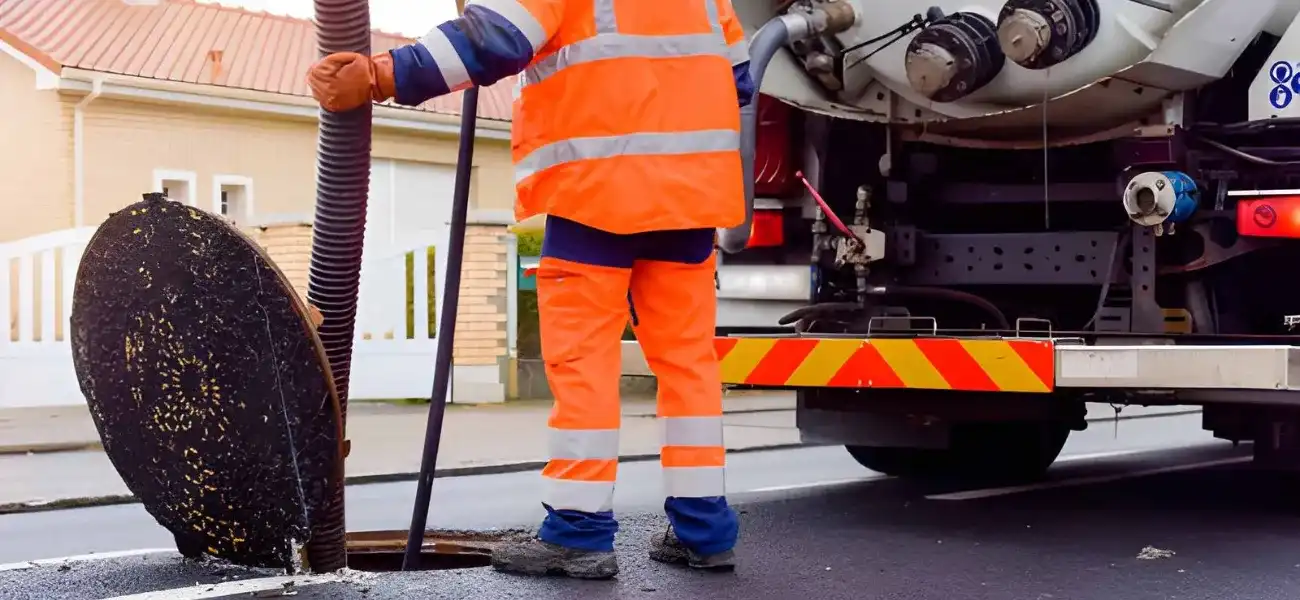
If more than one drain in the house is affected at the same time, the clog is more likely in the main sewer line rather than in a single fixture. Tree root intrusion and years of buildup are common causes, and this type usually needs professional equipment to clear.
How to Unclog a Drain: Methods Compared
Different methods work better for different types of clogs. Here’s how the most common ones compare.
| Method | Best For | Tools Needed | Difficulty |
|---|---|---|---|
| Boiling water | Grease and soap scum clogs | Kettle or pot of water | Easy |
| Plunger | Food particles, hair, minor blockages | Cup or flange plunger | Easy |
| Baking soda and vinegar | Light buildup, odor, maintenance | Baking soda, vinegar, hot water | Easy |
| P-trap cleaning | Clogs trapped just below the fixture | Bucket, wrench or pliers | Moderate |
| Drain snake or auger | Clogs beyond the trap | Manual or powered drain snake | Moderate |
| Chemical drain cleaner | Last resort for stubborn clogs | Commercial drain cleaner | Moderate, use with caution |
| Professional drain cleaning | Recurring, deep, or main line clogs | Motorized auger, drain camera | Professional only |
Boiling Water
Boiling water works well on clogs caused by grease or soap scum, since heat helps break down the buildup. Pour it down the drain in two or three stages, letting each pour work for a few seconds before adding more. This method is gentler than tools or chemicals, making it a good first step for a minor slowdown.
Plunger
A plunger is effective for clogs caused by food particles, hair, or general debris. Make sure there’s enough water in the sink or tub to cover the plunger’s cup, form a tight seal over the drain, and push and pull firmly for about 20 seconds before checking if water drains freely.
Baking Soda and Vinegar
This combination creates a bubbling reaction that can help loosen light buildup inside the pipe. Pour about a half cup of baking soda down the drain, follow with an equal amount of vinegar, let it sit for 15 minutes, then flush with hot water. It works best on minor clogs or as regular maintenance rather than a severe blockage.
P-Trap Cleaning
The P-trap is the curved pipe section under most sinks, and it’s where hair, food, and small objects often collect first. Place a bucket underneath, loosen the trap’s slip nuts by hand or with pliers, remove the trap, and clear out any debris before reattaching it. This method reaches clogs that plunging and flushing can’t.
Drain Snake or Auger
A drain snake is a flexible cable that reaches past the trap and into the drainpipe to break up or hook a clog. Feed the cable in slowly until you feel resistance, then work it back and forth to clear the blockage. This method reaches clogs further down the line than a plunger or trap cleaning can.
Chemical Drain Cleaner
Chemical cleaners can dissolve certain clogs, but they contain caustic ingredients that can damage older or corroded pipes, and they’re not effective on a completely blocked drain. Use them only as a last resort, follow the label instructions exactly, and avoid combining different chemical products.
Step-by-Step: How to Unclog a Sink Drain
- Remove the stopper or strainer so you can access the drain opening directly.
- Try a plunger first, covering any overflow opening with a wet cloth to help the plunger create suction.
- If that doesn’t work, clear the P-trap by placing a bucket underneath, loosening the slip nuts, and removing any debris inside.
- Use a drain snake if the clog is beyond the trap, feeding the cable in slowly until you meet resistance.
- Flush with hot water once the drain runs freely to clear any remaining residue.
Step-by-Step: How to Unclog a Bathtub or Shower Drain
- Remove the drain cover or stopper, since hair often collects right at the opening.
- Pull out visible hair and debris by hand or with a bent wire hook before trying other methods.
- Use a plunger, making sure there’s enough water in the tub to cover the cup and seal the overflow opening with a wet cloth.
- If needed, insert a drain snake through the drain opening or the overflow plate, feeding it down until you reach the clog.
- Run water to confirm the tub drains at a normal rate before considering the job done.
What to Avoid When Unclogging a Drain
- Don’t mix chemical drain cleaners with other products, including other chemical cleaners already sitting in standing water.
- Don’t force a drain snake against strong resistance without knowing what’s causing it; older or corroded pipes can crack.
- Don’t pour grease down a drain, even with hot water, since it will solidify again further along the pipe.
- Don’t rely on chemical cleaners repeatedly as a long-term fix; they don’t address the buildup causing repeat clogs and can damage pipes over time.
Safety Guidance
Unclogging a drain is usually a safe DIY task, but a few precautions matter:
- Wear gloves and eye protection when using a chemical drain cleaner, and follow the label’s ventilation instructions.
- Never use a chemical cleaner in a drain that’s completely blocked. Standing chemical-laced water can be hazardous if a plumber later needs to work on the pipe.
- Don’t attempt to clear a main sewer line clog yourself. This typically requires professional equipment and can involve wastewater exposure.
- Turn off nearby power outlets or keep water away from them if a clog is causing overflow near any electrical fixture.
Preventing Future Clogs
A few habits go a long way toward keeping drains clear:
- Use a drain guard or hair catcher in showers and bathroom sinks.
- Avoid pouring grease, oil, or fat down kitchen drains; let it cool and dispose of it in the trash instead.
- Run hot water down kitchen drains briefly after each use to help keep residue moving.
- Clean drains periodically with baking soda and vinegar as light maintenance, even before a clog forms.
- Only flush toilet paper; avoid wipes and other products, even ones labeled flushable.
When to Call a Professional Plumber
A few situations call for professional help rather than continued DIY attempts:
- A plunger, drain snake, and hot water flush haven’t cleared the clog.
- Multiple drains are affected at the same time.
- The clog keeps returning after you clear it.
- You notice sewage odor or gurgling throughout the house, not just at one fixture.
- You have older or corroded pipes and are unsure if a tool or chemical is safe to use.
A licensed plumber can use a drain camera to locate the exact cause of a stubborn or recurring clog, which avoids guesswork and unnecessary pipe damage.
Frequently Asked Questions
What is the fastest way to unclog a drain?
For minor clogs, boiling water or a plunger usually works within minutes. Boiling water is best for grease-based clogs, while a plunger works well for hair and food debris. If neither clears it, a drain snake reaches clogs further down the pipe.
Is baking soda and vinegar actually effective for clogged drains?
It can help with light buildup and general maintenance, but it’s not as effective on dense or long-standing clogs. The bubbling reaction loosens some material, but a plunger or drain snake is usually needed for a more established blockage.
Are chemical drain cleaners safe to use?
They can clear certain clogs but carry risks. Chemical drain cleaners contain caustic ingredients that can damage older or corroded pipes, and they shouldn’t be used on a completely blocked drain. Use them sparingly and only as a last resort before calling a plumber.
Why does my drain keep clogging even after I clear it?
Recurring clogs often mean buildup is forming further down the pipe than basic methods reach, or that a structural issue like a pipe with an upward slope or tree root intrusion is contributing. A professional camera inspection can identify the actual cause.
Can a clogged drain cause damage if I ignore it?
Yes. A clog left unaddressed can lead to standing water, odor, and eventually a backup that affects other fixtures. In some cases, pressure from a blockage can also stress pipe joints, increasing the chance of a leak.
How do I unclog a drain without any tools?
Boiling water and a baking soda and vinegar flush both use items most households already have and require no special tools. For deeper clogs, a bent wire coat hanger can sometimes hook out hair or debris from just inside the drain opening.
Getting a Stubborn Clog Cleared
If a clogged drain doesn’t respond to basic methods or keeps coming back, a licensed plumber can inspect the line, identify the cause, and explain your options before recommending any repair.