Table of Contents
Drain cleaning is the process of removing blockages and buildup from pipes to restore normal water flow. Professional methods include mechanical snaking, hydro jetting, and chemical treatment. Cost typically depends on the drain’s location and the clog’s severity, ranging from a simple sink service to a full main line job.
A slow or clogged drain usually starts as a minor annoyance, but it doesn’t always stay that way. Once basic DIY methods stop working, professional drain cleaning uses tools and techniques designed to clear a blockage completely rather than just pushing it further down the pipe. This article explains what drain cleaning actually involves, the main methods a plumber might use, how a typical service visit unfolds, and what the work generally costs depending on the drain and the clog. It also covers when DIY methods are enough and when it’s time to call in a professional.
What Is Drain Cleaning?
Drain cleaning is a plumbing service that removes blockages, buildup, or debris from inside a pipe to restore normal water flow.
The term covers a wide range of work, from a homeowner clearing a bathroom sink with a plunger to a licensed plumber running specialized equipment through a main sewer line. In this guide, professional drain cleaning refers specifically to service performed by a licensed plumber using tools like a mechanical snake, hydro-jetting equipment, or a camera, aimed at diagnosing and clearing blockages that basic DIY methods couldn’t resolve.
Drain Cleaning at a Glance
The table below summarizes the core facts about drain cleaning covered in this guide.
Use it as a quick reference before reading the full breakdown of methods, process, and cost further down the page.
| Detail | Description |
|---|---|
| Purpose | Removes blockages and buildup to restore normal drainage |
| Common professional methods | Mechanical snaking, hydro jetting, chemical treatment, manual clog removal |
| Often paired with | Camera inspection, to confirm the cause and location of a clog |
| Typical service length | Usually under an hour for a standard fixture clog; longer for main line work |
| Cost driver | Primarily the drain’s location and the clog’s severity |
| DIY-appropriate | Minor, accessible clogs; professional service is typical for recurring or main line clogs |
Types of Professional Drain Cleaning
Professional drain cleaning relies on five main methods: mechanical snaking, hydro jetting, chemical treatment, manual clog removal, and camera inspection.
A plumber chooses among them based on the clog’s location, severity, and likely cause, since matching the right method to the right blockage clears the drain more effectively and reduces the risk of damaging the pipe.
Mechanical Snaking (Augering)
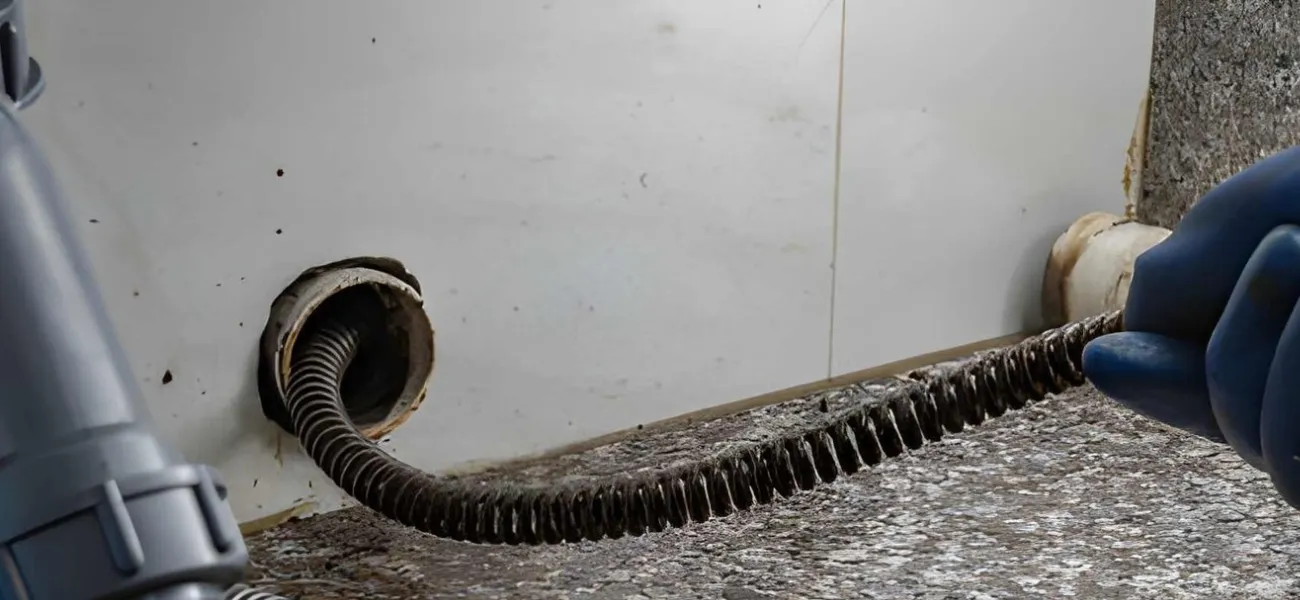
Mechanical snaking, also called augering, uses a flexible metal cable fed into the pipe to physically break apart or hook onto a clog and pull it free.
A plumber feeds the cable by hand or with a motorized drum, depending on the clog’s depth. It’s the most common method for straightforward clogs in sinks, tubs, and toilets, since it’s effective, relatively fast, and doesn’t require opening the pipe.
Hydro Jetting
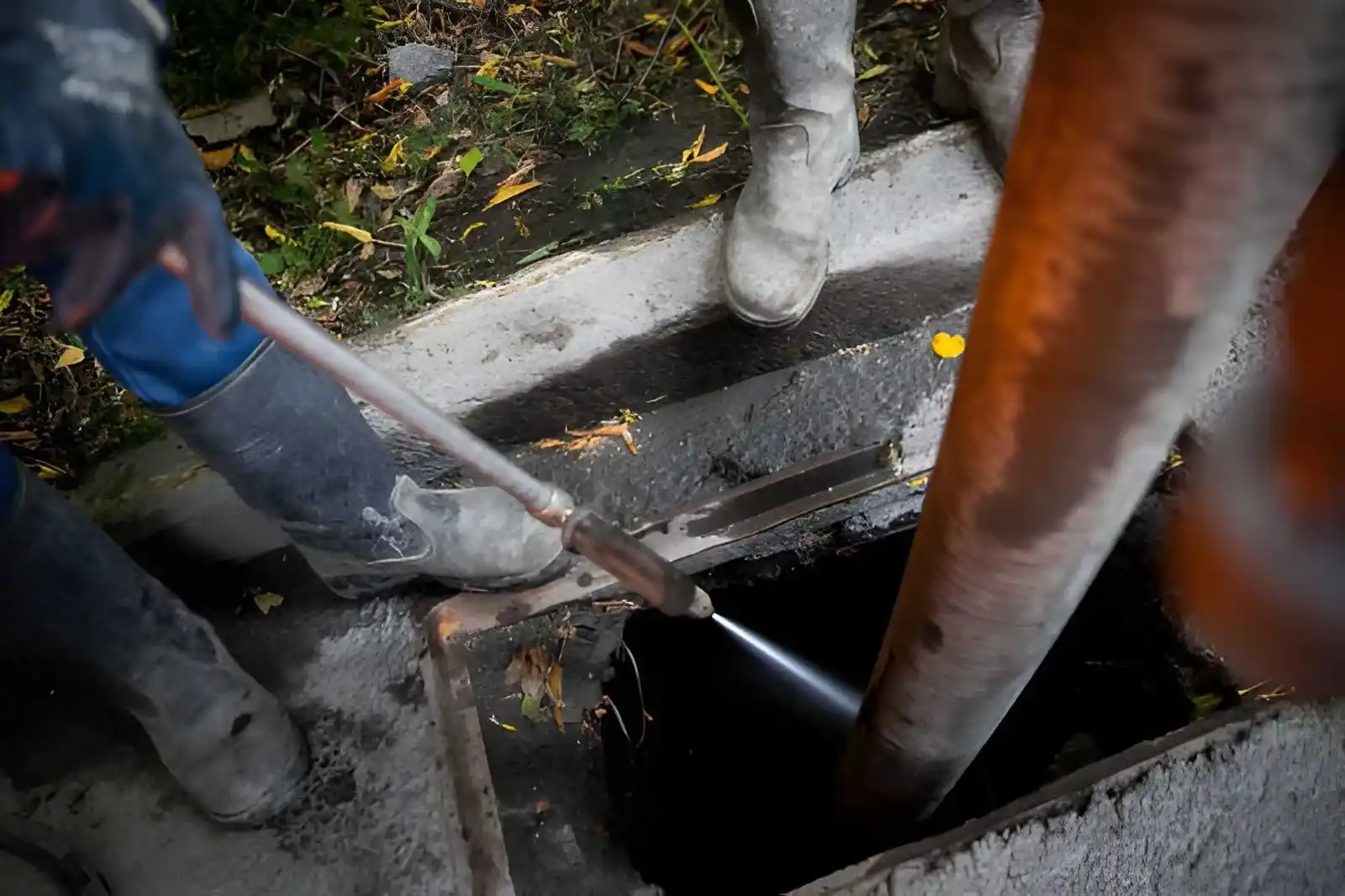
Hydro jetting uses a high-pressure water hose to blast through a pipe, scouring the interior walls clean rather than just breaking a path through the clog.
This makes it more thorough than snaking, since it removes buildup along the entire pipe wall instead of clearing a single blockage point. It’s typically used for grease buildup, scale, tree root intrusion, or a pipe that clogs often enough to suggest heavy interior buildup rather than a one-time blockage.
Chemical Treatment
Professional chemical treatment uses stronger, plumber-applied formulas to dissolve certain types of buildup inside a pipe.
This is distinct from over-the-counter store products, and it’s generally reserved for specific situations where a plumber has assessed that a chemical approach fits the pipe material and clog type. Chemical treatments carry more risk to older or already-weakened pipes than mechanical methods, which is why professionals use them selectively rather than as a default.
Manual Clog Removal
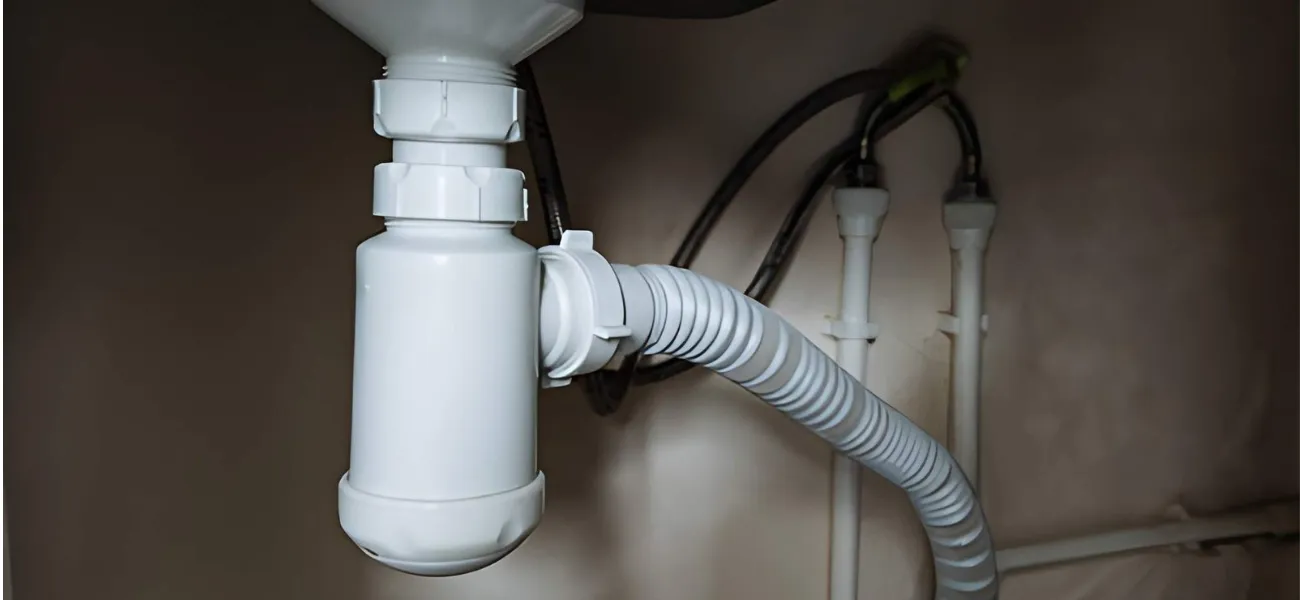
Manual clog removal involves physically disassembling part of a fixture’s drain, most often a sink’s P-trap, to retrieve an object or clear a blockage.
A plumber typically turns to this method when a blockage sits close to the drain opening, such as a lost item or a shallow clog that a snake would struggle to reach cleanly.
Camera Inspection
A camera inspection is a diagnostic step where a plumber feeds a small camera through the pipe to see the exact location, cause, and severity of a blockage.
It isn’t a cleaning method on its own, but it’s frequently paired with one, since seeing the blockage first helps avoid unnecessary work and confirms whether a deeper issue, like a collapsed section of pipe, is contributing to the problem.
How Professional Drain Cleaning Works
Professional drain cleaning typically follows a set sequence: assessment, diagnosis, method selection, clearing, testing, and follow-up recommendations.
The exact steps a plumber takes depend on the clog’s location and severity, but most service visits move through the same general stages.
- Initial assessment. The plumber asks about the symptoms, which fixtures are affected, and how long the problem has been happening, which helps narrow down whether the issue is local or further down the line.
- Diagnosis, sometimes including a camera inspection. For a straightforward, single-fixture clog, the plumber may proceed directly to clearing it. For a recurring or main-line issue, a camera inspection often comes first to confirm the cause.
- Method selection. Based on the diagnosis, the plumber chooses the appropriate method: mechanical snaking for a typical clog, hydro jetting for heavy buildup or root intrusion, or manual removal for an object lodged near the fixture.
- Clearing the blockage. The plumber performs the chosen method, working carefully to avoid damaging the pipe, particularly in older or more fragile plumbing.
- Testing the result. Water is run through the cleared line to confirm normal flow has been restored.
- Follow-up recommendations. The plumber may point out contributing factors, like tree roots or aging pipe, and recommend preventive steps or follow-up work if needed.
Signs You Need Professional Drain Cleaning
A few signs point to a clog that needs professional attention rather than continued DIY effort.
These signs generally mean the blockage is either beyond what basic tools can reach or affects more than a single fixture.
- A clog that basic plunging, hot water, or a store-bought snake hasn’t cleared.
- A clog that keeps coming back within weeks of clearing it yourself.
- Multiple drains slow or backing up around the same time, which often points to a main line issue beyond DIY tools.
- Gurgling or sewer odor that persists after basic cleaning.
- A history of tree root intrusion or an older sewer line that hasn’t had a camera inspection recently.
DIY vs. Professional Drain Cleaning
DIY methods, like a plunger, boiling water, or a store-bought drain snake, are generally appropriate for a minor, single-fixture clog that’s recent and accessible.
Professional drain cleaning becomes the better option when a clog doesn’t respond to those basic steps, affects multiple fixtures, or has an underlying cause, like tree roots or heavy grease buildup, that needs equipment beyond typical homeowner supplies. It also reduces the risk of accidentally damaging an older or fragile pipe with the wrong tool or an overused chemical product.
Drain Cleaning Costs
Drain cleaning cost depends mainly on which drain is affected, how severe the clog is, and which method is used.
Here’s a general comparison based on industry cost-guide data, followed by the specific factors that push a price up or down.
| Service | What’s Typically Involved | General Cost Range |
|---|---|---|
| Sink or shower drain snaking | Clearing a standard fixture clog with a mechanical snake | Generally the lowest-cost professional service |
| Toilet clog clearing | Clearing an obstruction using an auger designed for toilets | Similar to standard fixture clogs, sometimes billed hourly |
| Hydro jetting | High-pressure water clearing for heavy buildup or root intrusion | Higher cost than snaking, reflecting specialized equipment |
| Main sewer line cleaning | Clearing a blockage in the shared main line | The highest-cost category, due to depth, access, and severity |
| Camera inspection | Diagnostic camera feed through the line | Often priced separately, sometimes bundled with a cleaning service |
According to Angi’s national cost data, professional drain cleaning commonly falls between roughly $147 and $352, with sewer main line clogs generally costing more than a single fixture clog.
What typically affects the total:
- Which drain is affected. A sink or shower clog is generally less expensive to clear than a main sewer line blockage.
- Clog severity and cause. A simple hair or soap clog costs less to resolve than one caused by tree roots or significant grease buildup.
- Method required. Hydro jetting typically costs more than basic snaking due to the specialized equipment involved.
- Whether a camera inspection is included. Diagnostic work adds to the total but can prevent unnecessary or repeated service calls.
- Accessibility. A clog near an easily reached cleanout costs less to clear than one requiring extra time or equipment to access.
- Timing. Emergency or after-hours service typically costs more than a scheduled daytime appointment.
Safety Guidance
Most drain cleaning is safe when done correctly, but a few precautions reduce the risk of injury or pipe damage.
These guidelines apply whether you’re attempting a DIY fix or waiting for a professional to arrive.
- Don’t rely on chemical drain cleaners repeatedly as a routine fix; they can damage older pipes and don’t resolve the underlying cause of a recurring clog.
- Don’t attempt to clear a main sewer line clog yourself. This typically requires professional equipment and can involve wastewater exposure.
- Avoid mixing chemical drain products, including a store-bought cleaner used earlier the same day, since combining certain chemicals can release harmful fumes.
- If a clog is causing standing water near an electrical outlet or appliance, stay away from it and address the electrical hazard before attempting any drain work.
When to Call a Professional Plumber
A plumber is worth calling once basic DIY steps have been tried without success, or when the situation involves more than a simple, single-fixture clog.
The list below covers the specific scenarios where professional equipment and diagnosis make the biggest difference.
- Basic methods, plunging, hot water, and a store-bought snake, haven’t cleared the clog.
- The clog affects more than one fixture at the same time.
- The problem keeps returning shortly after you clear it.
- You suspect tree root intrusion or an older, deteriorating sewer line.
- You’re dealing with gurgling, odor, or a slow drain paired with any of the above.
A licensed plumber can select the right method for the specific clog and pipe condition, reducing the risk of damage compared to guessing with DIY tools or chemicals.
Frequently Asked Questions
Here are the questions homeowners most often ask about drain cleaning, along with direct answers.
How often should drains be professionally cleaned?
There’s no universal schedule, since it depends on usage, pipe age, and whether you’ve had recurring clogs. Homes with older pipes, heavy kitchen use, or a history of tree root intrusion may benefit from periodic professional cleaning, while others may go years without needing it. A plumber can recommend an interval based on your home’s specific history.
What’s the difference between drain snaking and hydro jetting?
Drain snaking uses a cable to break apart or hook a clog and is effective for most standard blockages. Hydro jetting uses high-pressure water to scour the entire interior of the pipe and is generally used for heavier buildup, grease, or tree root intrusion that snaking alone wouldn’t fully clear.
Is professional drain cleaning worth it compared to DIY?
For a minor, accessible clog, DIY methods are often sufficient and less expensive. Professional service becomes worthwhile once a clog resists basic methods, keeps returning, or affects multiple drains, since a plumber can diagnose the actual cause and use equipment that reaches further into the system than typical homeowner tools.
Does drain cleaning damage pipes?
Professional methods, when matched correctly to the pipe material and clog type, are generally safe. Risk increases with repeated use of chemical drain cleaners on older or already-weakened pipes, or with aggressive DIY tool use on pipe conditions the user can’t fully assess, which is part of why professional diagnosis matters for a stubborn clog.
Why does my plumber recommend a camera inspection before cleaning?
A camera inspection confirms the exact cause and location of a clog before your plumber chooses a method, which helps avoid unnecessary work and identifies underlying issues, like a collapsed pipe section or root intrusion, that a cleaning alone wouldn’t fix. It’s especially common for recurring clogs or main line issues.
How long does a professional drain cleaning service take?
A standard single-fixture clog is often resolved in under an hour. Main sewer line cleaning, especially if it includes a camera inspection or hydro jetting, typically takes longer due to the added diagnostic and equipment setup involved.
Getting Your Drains Professionally Cleaned
If DIY methods haven’t resolved a clog, or you’re dealing with a recurring or main-line issue, a professional plumber can diagnose the cause, recommend the right method, and provide a written estimate before any work begins.