Table of Contents
Trenchless sewer line repair fixes or replaces a damaged pipe through small access points instead of digging a full trench. The two main methods are pipe lining and pipe bursting. It’s typically faster and less disruptive than traditional excavation, though not every pipe qualifies.
A damaged sewer line used to mean one thing: digging up the yard. Trenchless repair changed that by making it possible to fix or fully replace a pipe from the inside, using only a couple of small access points rather than a trench running across the property. This article explains how trenchless sewer line repair actually works, the two main methods used, how to tell whether your sewer line is a good candidate, and what the process typically costs. It also covers the realistic pros and cons and when to bring in a licensed professional.
What Is Trenchless Sewer Line Repair?
Trenchless sewer line repair is a method of fixing or replacing a damaged sewer pipe using small access points instead of excavating a full trench along its length.
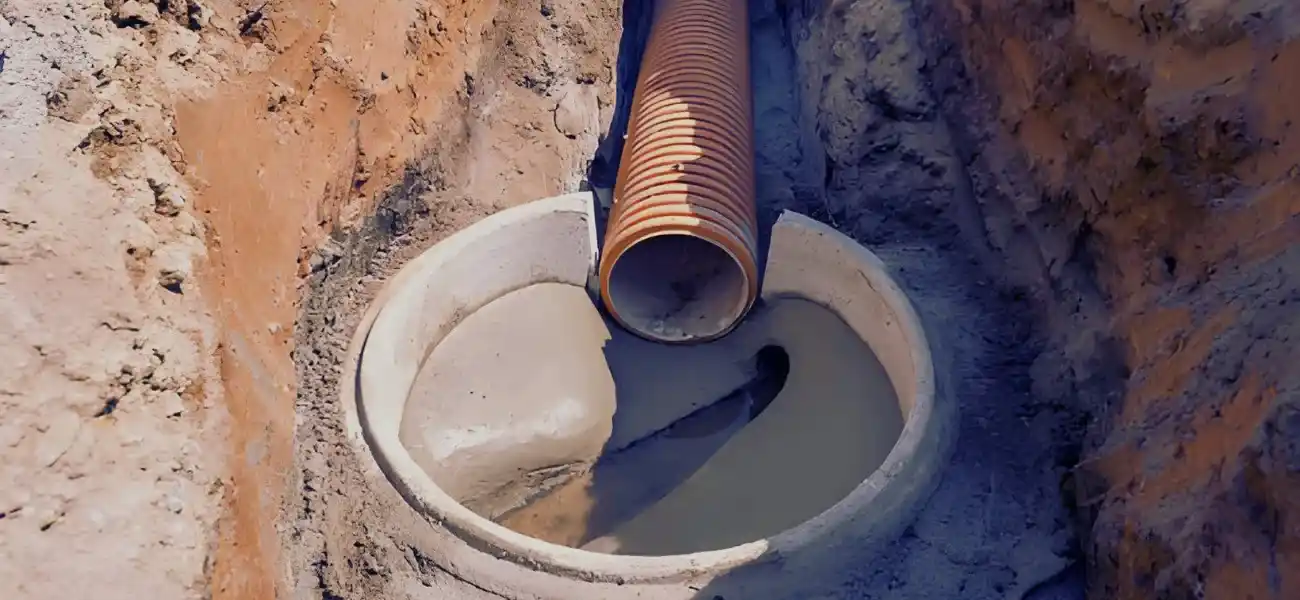
Rather than digging up the yard, driveway, or landscaping to expose the entire damaged section, a plumber works through one or two access pits and repairs or replaces the pipe from the inside. This approach has become widely available over the past few decades and is now a standard option alongside traditional excavation for many types of sewer line damage.
Trenchless Sewer Line Repair at a Glance
The table below summarizes the core facts about trenchless sewer line repair covered in this guide.
Use it as a quick reference before reading the full breakdown of methods, process, candidacy, and cost further down the page.
| Detail | Description |
|---|---|
| What it is | Repairing or replacing a sewer pipe through small access points instead of a full trench |
| Main methods | Pipe lining (CIPP) and pipe bursting |
| Typical timeline | Often completed in a single day for a straightforward job |
| Best suited for | Cracks, root intrusion, corrosion, and moderate misalignment |
| Not always suitable for | Severely collapsed or badly sagging pipe, or lines too close to other utilities |
| Diagnostic step | CCTV camera inspection before and often after the repair |
What Are the Main Trenchless Repair Methods?
The two main trenchless sewer repair methods are pipe lining and pipe bursting.
Both avoid a full trench, but they solve different problems: lining repairs a pipe from the inside while leaving the original structure in place, while bursting fully replaces the pipe by breaking the old one apart.
Pipe Lining (CIPP)
Pipe lining, also called cured-in-place pipe (CIPP) repair, inserts a flexible, resin-coated liner into the damaged pipe, then inflates and cures it to form a new, seamless pipe inside the original one. It works well for cracks, corrosion, small holes, and root intrusion entry points in a pipe that’s otherwise structurally intact, but it isn’t an option once a section has fully collapsed or lost its shape.
Pipe Bursting
Pipe bursting fully replaces a damaged pipe by pulling a bursting head and a new pipe through the old one, fracturing the old pipe outward as the new one takes its place. It’s used when the existing pipe is too damaged for lining alone, such as a section that’s collapsed or significantly deteriorated, as long as the surrounding conditions still allow the bursting equipment to operate safely.
How Does the Trenchless Repair Process Work?
The trenchless repair process generally follows five steps: camera inspection, access point setup, the repair or replacement itself, curing or connection, and a final camera verification.
The exact steps differ slightly between lining and bursting, but both methods follow this same overall structure.
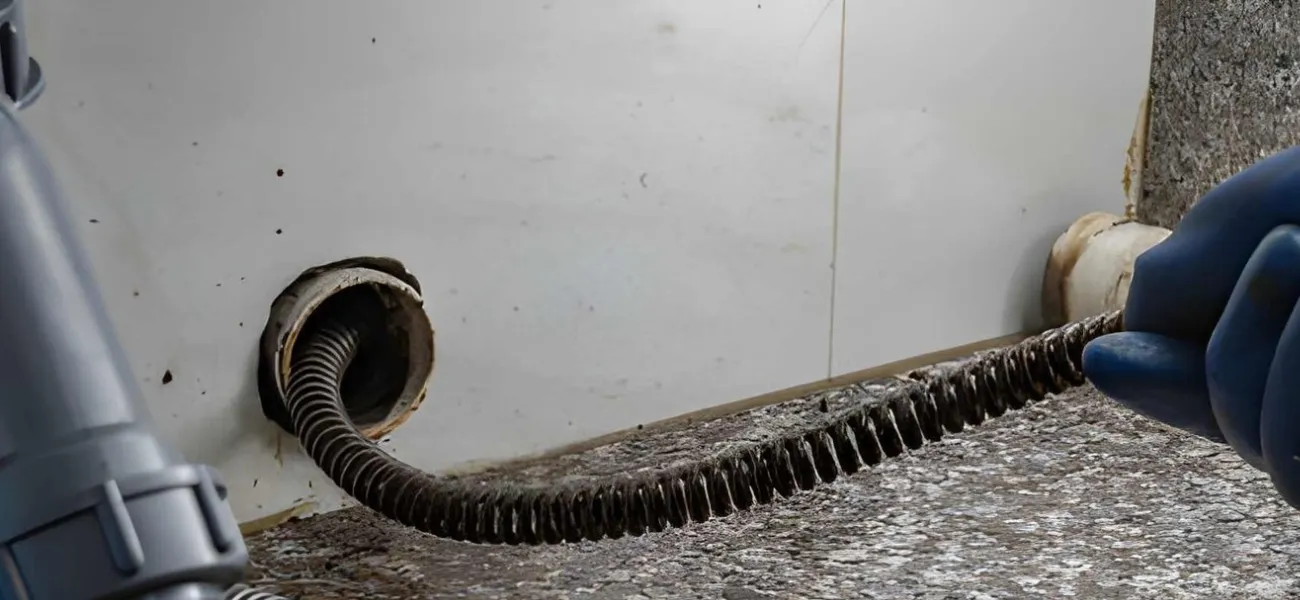
- Camera inspection. A plumber feeds a camera through the existing line to confirm the location, cause, and severity of the damage, and to determine whether lining or bursting is the better fit.
- Access point setup. Small entry and, for pipe bursting, exit holes are dug at each end of the damaged section, rather than a trench along its full length.
- Repair or replacement. For lining, a resin-coated liner is inserted and inflated against the pipe walls using air or water pressure. For bursting, a bursting head is pulled through the old pipe, fracturing it while a new pipe is pulled into place behind it.
- Curing or connection. A lining repair is left to cure, typically hardening the resin into a rigid new interior surface. A bursting replacement is connected to the existing plumbing at each access point.
- Final camera verification. A camera pass confirms the repair or new pipe is properly seated and functioning before the access points are closed and any minor surface restoration is completed.
Is Your Sewer Line a Candidate for Trenchless Repair?
Your sewer line is generally a good candidate for trenchless repair if the damage is limited to cracks, corrosion, or root intrusion in an otherwise intact pipe, and there’s enough clearance from other buried utilities.
Not every situation qualifies, and a camera inspection is what ultimately determines candidacy rather than the type of damage alone.
| Factor | Generally Favors Trenchless | May Favor Traditional Excavation |
|---|---|---|
| Pipe condition | Cracks, corrosion, or root intrusion in an otherwise sound pipe | Severe collapse, significant sagging, or a pipe that’s lost its shape |
| Nearby utilities | Adequate clearance for equipment to operate | Other utility lines too close for safe trenchless work |
| Access | Enough space for entry and exit pits | A site layout that doesn’t allow trenchless equipment access |
| Pipe alignment | Reasonably straight or gently curved | Significant misalignment that a liner or bursting head can’t navigate |
| Restoration priorities | Landscaping, driveway, or hardscape you want to preserve | Very shallow pipe where digging causes minimal disruption anyway |
What Are the Pros and Cons of Trenchless Sewer Repair?
The main advantages of trenchless sewer repair are less disruption to landscaping, a faster timeline, and durable materials, while the main drawbacks are that it doesn’t suit every type of damage and can carry a higher upfront cost than a very shallow, easy-to-access traditional repair.
Weighing these against your specific situation, rather than assuming trenchless is automatically the better option, is what a proper camera inspection and plumber consultation are for.
Pros:
- Minimal digging. Only small access points are needed instead of a trench across the yard, driveway, or landscaping.
- Faster completion. Many trenchless jobs, particularly lining, can be finished in a single day, compared to several days for a traditional excavation and restoration.
- Durable materials. Epoxy liners and modern replacement pipe resist corrosion and root intrusion, often outperforming older pipe materials.
- Less restoration work. Since little of the yard is disturbed, there’s typically less need to replace grass, pavement, or landscaping afterward.
Cons:
- Not suitable for every situation. Severely collapsed, badly misaligned, or heavily sagging pipe may require traditional excavation instead.
- Utility conflicts. Nearby gas, electric, or water lines can limit whether trenchless equipment can be used safely.
- Higher upfront cost in some cases. For a very shallow, easily accessible pipe, traditional excavation can sometimes cost less than trenchless repair.
- Still requires some digging. Trenchless doesn’t mean zero excavation; small access pits are still needed at each end of the repair.
How Much Does Trenchless Sewer Line Repair Cost?
Trenchless sewer line repair typically costs between roughly $60 and $300 per linear foot depending on the method, with pipe lining generally on the lower end and pipe bursting on the higher end.
Here’s a general comparison based on industry cost-guide data, followed by the factors that push a price up or down.
| Method | What’s Typically Involved | General Cost Range |
|---|---|---|
| Pipe lining (CIPP) | Resin liner cured in place inside the existing pipe | Generally the lower end of trenchless pricing |
| Pipe bursting | New pipe pulled through the old one as it’s fractured apart | Generally similar to or somewhat higher than lining, reflecting the added equipment and labor |
| CCTV camera inspection | Diagnostic step before (and often after) the repair | Typically a smaller portion of the total project cost |
What typically affects the total:
- Method chosen. Pipe lining is generally less expensive than pipe bursting, since bursting involves more equipment and a full pipe replacement rather than an interior repair.
- Pipe length and depth. Longer or deeper sections require more material, time, and equipment regardless of method.
- Access conditions. Tight spaces, nearby trees, or limited room for equipment can add to labor time and cost.
- Comparison to traditional excavation. Trenchless repair often costs less overall than digging a full trench once landscaping and hardscape restoration are factored in, though a very shallow, easily accessed pipe can sometimes be cheaper to fix traditionally.
- Permits. Many jurisdictions still require a permit for trenchless work, particularly for anything connecting to a municipal main.
Safety Guidance
Trenchless sewer line repair is a job for a licensed, trained professional, and a few precautions matter even though the process involves less digging than traditional excavation.
These guidelines apply whether you’re arranging a repair or simply confirming a contractor is following safe practices.
- Don’t attempt to locate or access your sewer line yourself before a trenchless repair. Confirming utility locations and access points requires professional equipment and training.
- Make sure any contractor performs a camera inspection before quoting trenchless work. A method choice made without confirming the pipe’s actual condition risks recommending a repair that won’t hold.
- Avoid running extra water through the home during the repair process, since this can interfere with curing time for a lining repair or complicate a bursting job in progress.
- Confirm permits are pulled where required, particularly for work connecting to a municipal sewer main, since unpermitted work can create problems if you sell the home later.
When Should You Call a Professional Plumber?
You should call a professional plumber as soon as you suspect sewer line damage, such as recurring clogs, sewer odor, or slow drainage, so a camera inspection can confirm whether trenchless repair is an option.
Acting early keeps more repair options open, since damage that’s caught while still limited to cracks or root intrusion is far more likely to qualify for trenchless methods than damage that’s been left to worsen.
- You’ve noticed signs of sewer line damage and want to know if trenchless repair is possible.
- A previous quote didn’t include a camera inspection before recommending a repair method.
- You’re weighing trenchless against traditional excavation and want a comparison specific to your property.
- Your property has mature landscaping, a driveway, or hardscape you’d like to avoid disturbing.
- You’re unsure whether nearby utilities or your pipe’s condition rule out trenchless methods.
A licensed plumber can run a camera inspection, confirm whether your sewer line qualifies for trenchless repair, and provide a written estimate comparing your available options.
Frequently Asked Questions
Here are the questions homeowners most often ask about trenchless sewer line repair, along with direct answers.
Is trenchless sewer repair always better than traditional excavation?
Not always. Trenchless repair generally causes less disruption and often costs less once landscaping restoration is included, but a very shallow, easily accessible pipe can sometimes be cheaper to fix with traditional excavation, and severely collapsed or misaligned pipe may not qualify for trenchless methods at all.
How long does trenchless sewer line repair take?
Many trenchless jobs, particularly pipe lining, can be completed in a single day for a straightforward repair. More involved jobs, or ones requiring multiple access points, can take a bit longer, but trenchless repair is generally faster than traditional excavation and restoration.
What’s the difference between pipe lining and pipe bursting?
Pipe lining repairs a damaged pipe from the inside by curing a resin liner in place, working best when the original pipe is still structurally sound. Pipe bursting fully replaces the pipe by breaking the old one apart while pulling a new pipe through, and it’s used when the damage is too severe for lining alone.
Can trenchless repair fix a fully collapsed sewer pipe?
Pipe lining generally cannot, since it depends on the original pipe holding its shape to support the liner. Pipe bursting can often handle more severe damage, including some collapsed sections, as long as the surrounding conditions still allow the bursting equipment to pass through safely.
Does trenchless repair require any digging at all?
Yes, some digging is still involved. Trenchless methods require small access pits at the ends of the repaired section, but this is significantly less disruptive than a full trench running the length of the damaged pipe.
How do I know if my sewer line qualifies for trenchless repair?
A CCTV camera inspection is the only reliable way to confirm candidacy. A plumber uses it to assess the extent of the damage, the pipe’s alignment, and whether nearby utilities or site conditions allow trenchless equipment to be used safely.
Getting Your Sewer Line Evaluated for Trenchless Repair
If you’re dealing with sewer line damage and want to know whether trenchless repair is an option, a licensed plumber can run a camera inspection, confirm your pipe’s condition, and provide a written estimate comparing trenchless and traditional methods before any work begins.