Table of Contents
A sewer camera inspection typically costs $125 to $500 with an accessible cleanout, or $175 to $750 without one. Full national ranges run from about $100 to over $1,700 depending on pipe length, access, and camera technology, with a common average near $250 to $500.
If you’ve searched for sewer camera inspection cost, you’ve probably run into wildly different numbers, one source quoting a few hundred dollars, another quoting close to a thousand. Both can be accurate at the same time, because they’re often describing different jobs rather than different prices for the same service. This article explains what a sewer camera inspection actually costs, why the estimates you’ll find online vary so much, the specific factors that drive the price, and when the inspection is genuinely worth paying for.
How Much Does a Sewer Camera Inspection Cost?
A sewer camera inspection typically costs $125 to $500 for a straightforward job with an existing cleanout, and can run considerably higher, sometimes over $1,000, when access is difficult or the line is long.
Two commonly cited figures, a national average around $995 to $1,000 and a more typical range of $250 to $500, are both accurate; they simply describe different situations. The higher average reflects the full spread of jobs, including difficult-access properties and longer commercial lines, while the lower range reflects a standard residential scope through an accessible cleanout, which is the more common scenario for most homeowners.
Sewer Camera Inspection Cost at a Glance
The table below summarizes typical national pricing for sewer camera inspections, based on published industry cost-guide data.
Use it as a quick reference before reading the detailed breakdown of cost factors further down the page.
| Scenario | National Cost Range |
|---|---|
| Standard inspection with an accessible cleanout | $125 – $500 |
| Inspection without a cleanout (toilet removal required) | $175 – $750 |
| Sewer scope add-on during a home inspection | $100 – $250 |
| Inspection with a new cleanout installed first | Inspection fee plus $500 – $1,500 for the cleanout |
| Pan-and-tilt or 360-degree camera upgrade | Adds roughly $100 – $400 to a standard scope |
| DIY camera rental | $120 – $225 per day |
Why Do Sewer Camera Inspection Cost Estimates Vary So Much?
Sewer camera inspection cost estimates vary widely mainly because of one factor: whether the property already has an accessible cleanout.
A scope through an existing cleanout is a relatively quick, straightforward job, typically $100 to $300. If there’s no cleanout, a plumber often has to remove a toilet to access the line, which adds roughly $50 to $175 to the job. If there’s no accessible entry point at all, installing a new cleanout before the inspection can even happen adds $500 to $1,500 on top of the inspection fee itself. This single variable explains why one homeowner might pay $200 and another might pay close to $2,000 for what sounds like the same basic service.
What Factors Affect Sewer Camera Inspection Cost?
Beyond cleanout access, the main factors affecting sewer camera inspection cost are pipe length, camera technology, add-on services, and regional labor rates.
Each of these can shift the price meaningfully, even when cleanout access isn’t the issue.
- Pipe length and complexity. Longer lines take more time to fully scope, and commercial lines exceeding a few hundred feet can push cost well above typical residential pricing.
- Camera technology. A standard push camera covers most homes at the base price; a pan-and-tilt camera offering 360-degree visibility at pipe joints typically adds $100 to $400.
- Add-on services. Locating or mapping the exact position of a problem spot, useful for planning a repair without unnecessary digging, typically adds $50 to $200. Video recording or a digital report for documentation is another common add-on, especially valuable when buying or selling a home.
- Pipe material. PVC is generally simpler to inspect clearly, while cast iron, clay, or Orangeburg pipe can require more careful interpretation of what the camera shows.
- Regional labor rates. Metro markets often run 20 to 40 percent above national midpoints compared to rural or smaller markets.
- Timing. Emergency or rush service typically costs more than a scheduled appointment.
How Much Does a Sewer Scope Cost During a Home Inspection?
A sewer scope added to a home inspection typically costs $100 to $250, on top of the standard home inspection fee.
A general home inspection, usually $300 to $500 on its own, doesn’t automatically include a look at the sewer line, since it’s a specialized service requiring separate equipment. For buyers, this add-on can reveal costly hidden problems, like root intrusion or a deteriorating clay pipe, before closing on a home. For sellers, having documentation of a healthy line on hand can help address a buyer’s concerns proactively during negotiations.
What Does a Sewer Camera Inspection Include and Find?
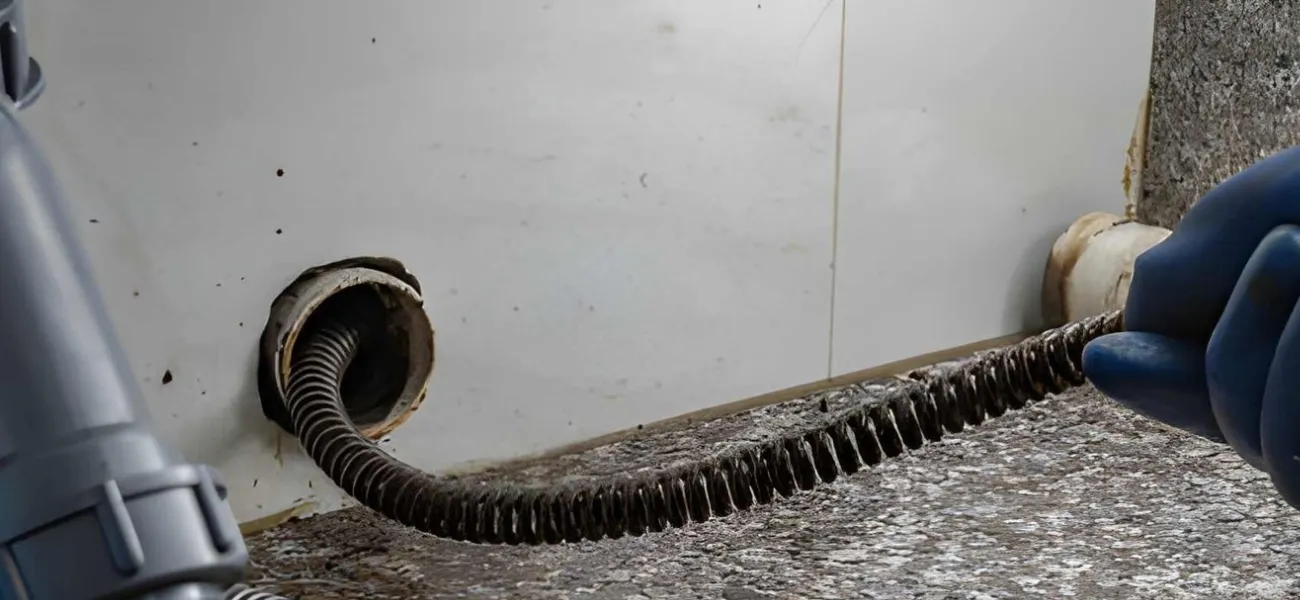
A standard sewer camera inspection includes feeding a waterproof camera through the line while a plumber views real-time video to identify blockages and damage, but it does not include repairing anything the camera finds.
The inspection itself is diagnostic rather than corrective, so any needed cleaning or repair work is typically quoted and billed separately.
Common findings include:
- Cracks caused by aging, nearby digging, or penetration from objects like rebar or stones.
- Root intrusion, where tree roots have pushed through small cracks and, over time, can fill or crush a pipe.
- Corrosion, which weakens pipe walls or narrows the interior opening.
- Offset joints, where two sections of pipe no longer line up correctly due to settling.
- Pipe collapse, a less common but more serious finding in old or neglected lines.
- Lost objects, since cameras are also effective for locating items like jewelry or coins that fell down a drain.
Is It Worth Renting or Buying a Camera to DIY?
Renting a sewer camera generally isn’t cost-effective for a one-time inspection, and buying one outright is rarely worthwhile for a homeowner at all.
Rental typically costs $120 to $225 per day, which can approach or exceed the cost of simply hiring a professional to do the same job with better equipment and trained interpretation of what the footage shows. Buying a professional-grade sewer camera outright can cost anywhere from roughly $1,000 to $15,000 depending on features like locating transmitters and cable length, putting it far outside what makes sense for occasional residential use. For most homeowners, hiring a licensed plumber or inspector is both simpler and more cost-effective than attempting a DIY inspection.
When Should You Get a Sewer Camera Inspection?
You should get a sewer camera inspection when you’re dealing with recurring clogs, buying or selling a home, or maintaining an older sewer line that hasn’t been checked recently.
A handful of specific situations tend to make the inspection worth the cost.
- Recurring clogs or backups, since a camera identifies the actual cause rather than repeating a cleaning that won’t fix the underlying issue.
- Before buying a home, to catch hidden sewer line problems before they become your responsibility.
- Before and after clearing a line, to confirm what’s causing a blockage and verify the clearing actually resolved it.
- Older pipe materials, like clay, cast iron, or Orangeburg, which are more prone to age-related damage.
- Properties with mature trees nearby, where root intrusion is a common and progressive risk.
- Insurance claims involving sewer or water damage, where documented footage can support the claims process.
Professionals commonly recommend a maintenance inspection every one to three years for older homes or properties with a history of problems.
What Should You Confirm Before Hiring an Inspector?
Before hiring for a sewer camera inspection, confirm that the quote includes the video footage you’ll actually receive, an access attempt through any existing cleanout, and a written or digital summary of findings.
Getting these details in writing before the appointment protects you from verbal promises that don’t match what shows up on the final invoice.
- Ask whether recorded video is included, and whether you’ll receive a copy, rather than just a verbal summary of what was seen.
- Confirm what happens if there’s no accessible cleanout, and get a clear estimate for toilet removal or a new cleanout installation before work begins.
- Get a written estimate before the appointment, including what would trigger additional charges, such as difficult access or an unusually long line.
- Ask whether a written or digital report is included, particularly if you need documentation for a real estate transaction or insurance claim.
Frequently Asked Questions
Here are the questions homeowners most often ask about sewer camera inspection cost, along with direct answers.
Why do some sources say sewer camera inspections cost $250 and others say $1,000?
Both figures are accurate for different situations. The higher number typically reflects a broader average across all job types, including difficult-access properties and longer lines, while the lower figure reflects a standard, straightforward inspection through an existing cleanout, which is the more common scenario for most homes.
Does a sewer camera inspection cost more if I don’t have a cleanout?
Yes. Without an accessible cleanout, a plumber often needs to remove a toilet to access the line, adding roughly $50 to $175 to the job. If there’s no entry point at all, installing a new cleanout first can add $500 to $1,500 before the inspection can even take place.
Is a sewer camera inspection worth it before buying a home?
For many buyers, yes. A standard home inspection typically doesn’t include a look at the sewer line, and a scope add-on, usually $100 to $250, can reveal costly hidden problems like root intrusion or deteriorating pipe before you’re financially responsible for the property.
Does a sewer camera inspection cost include repairs?
No. A camera inspection is a diagnostic service that identifies problems like cracks, root intrusion, or collapse, but any needed cleaning or repair work is quoted and billed separately once the inspection findings are known.
Can I rent a sewer camera and do the inspection myself?
Technically yes, but it’s rarely cost-effective. Rental typically runs $120 to $225 per day, which can rival the cost of hiring a professional, and interpreting what the footage actually shows takes experience that most homeowners don’t have.
How often should a sewer line be inspected?
Professionals commonly recommend an inspection every one to three years for older homes, properties with mature trees nearby, or those with a history of clogs. Newer homes with modern pipe materials and no history of problems may not need inspections as frequently.
Getting an Accurate Sewer Camera Inspection Quote
If you’re dealing with recurring clogs, buying a home, or simply want to know the condition of your sewer line, a licensed plumber or inspector can assess your specific access situation and provide a written estimate before any work begins.