Table of Contents
Drain cleaning cost typically ranges from $100 to $275 for a single fixture, $150 to $600 for a main line snaking, and $300 to $1,400 for hydro jetting. Price depends mainly on the drain’s location, the clog’s severity, and the method a plumber uses.
Getting a quote for drain cleaning can feel confusing when one plumber says $150 and another says $600 for what sounds like the same job. The difference usually comes down to which drain is affected, how the clog is being cleared, and a handful of other factors that aren’t always obvious from the initial phone call. This article breaks down what drain cleaning actually costs by method and drain type, what typically drives the price up or down, and how to avoid paying more than the job requires. It also covers what’s usually included in a quote and what to watch for before hiring a plumber.
What Does Drain Cleaning Cost?
Drain cleaning generally costs between $100 and $1,400, depending heavily on which drain is affected and which method is used to clear it.
A simple, accessible clog in a single fixture sits at the low end of that range, while a severe main sewer line blockage requiring hydro jetting sits at the high end. Most residential jobs fall somewhere in between, and the specific factors covered later in this article determine where a given job lands.
Drain Cleaning Cost at a Glance
The table below summarizes typical national pricing by service type, based on published industry cost-guide data.
Use it as a quick reference before reading the detailed breakdown of each method further down the page.
| Service | What’s Typically Involved | National Cost Range |
|---|---|---|
| Fixture-level snaking (sink, tub, shower, toilet) | Clearing a standard clog with a hand snake or auger | $100 – $275 |
| Main line snaking | Clearing a clog in the shared sewer line with a drum machine | $150 – $600 |
| Residential hydro jetting | High-pressure water clearing for heavy buildup or root intrusion | $300 – $1,400 |
| Commercial hydro jetting | High-pressure cleaning for larger pipe networks or heavier buildup | $500 – $2,500+ |
| Sewer camera inspection | Diagnostic camera feed to locate and assess a blockage | $125 – $750 |
| Storm drain or French drain cleaning | Clearing debris from exterior drainage systems | $200 – $600 |
How Much Does It Cost to Snake a Drain?
Snaking a single fixture typically costs $100 to $275, while snaking a main sewer line typically costs $150 to $600.
The gap between the two comes down to equipment and time: a fixture-level clog is usually cleared with a hand snake in well under an hour, while a main line clog requires a heavier drum machine, a longer cable run, and more setup time, especially if the plumber needs to access the line through a cleanout or, in some cases, by removing a toilet.
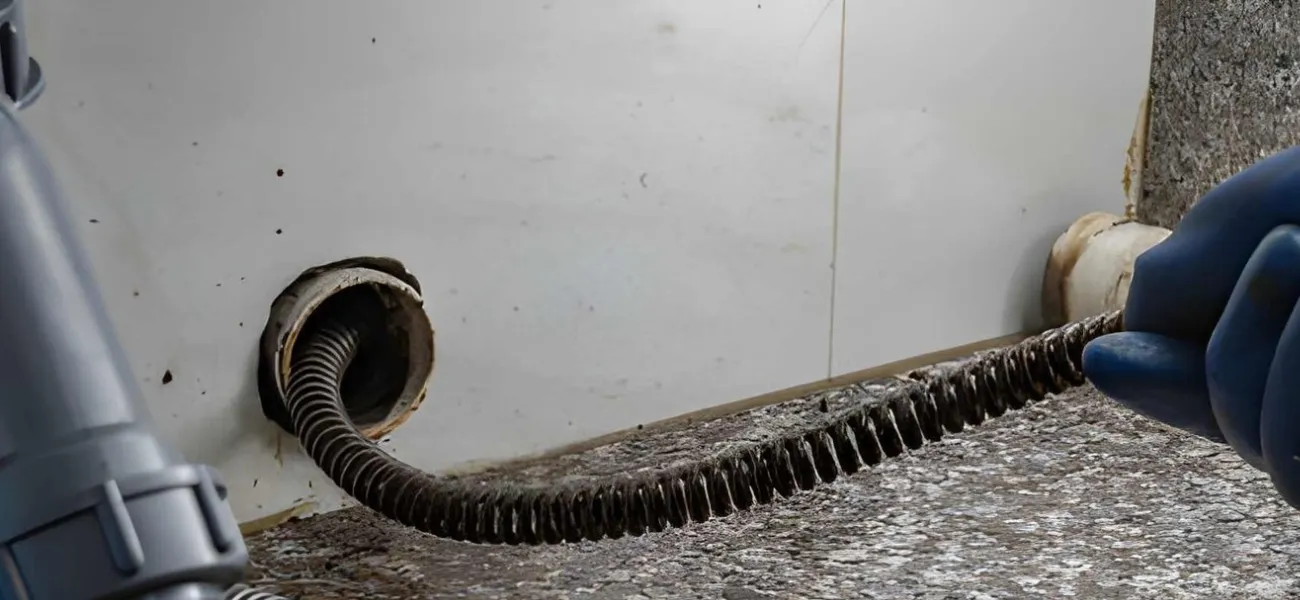
Snaking is generally the most affordable professional drain cleaning method, and it’s sufficient for most household clogs caused by hair, soap, food debris, or small tree roots. It works by creating a path through the blockage rather than fully cleaning the pipe, which is one reason a snaked drain can re-clog sooner than one that’s been hydro jetted.
How Much Does Hydro Jetting Cost?
Residential hydro jetting typically costs $300 to $1,400, with most homeowners paying in the $300 to $800 range for a standard job.
Cost rises with clog severity, pipe accessibility, and how much of the pipe needs to be cleaned rather than just cleared. Unlike snaking, hydro jetting uses high-pressure water, typically in the range of 1,500 to 4,000 PSI, to strip grease, scale, and debris from the entire interior of the pipe rather than punching a single path through a clog. This makes it more thorough and longer-lasting, but also more expensive, and it’s generally reserved for recurring clogs, heavy grease buildup, or tree root intrusion rather than a routine, minor blockage. Commercial hydro jetting, which deals with larger pipe networks and heavier buildup, typically costs $500 to $2,500 or more.
Because hydro jetting’s high pressure can further damage an already cracked or deteriorated pipe, many plumbers require a camera inspection first to confirm the pipe can safely handle the process.
How Much Does a Sewer Camera Inspection Cost?
A sewer camera inspection typically costs $125 to $750, depending on how the plumber accesses the line and how long the inspection takes.
Cost is generally lower when a home already has an accessible cleanout, since the plumber can feed the camera directly into the line. It runs higher when the plumber has to remove and reinstall a toilet, or navigate a longer or more complex pipe layout, to complete the inspection. A sewer camera inspection is often billed separately from the cleaning itself, though some plumbers bundle a basic inspection into a hydro jetting or main line service.
What Factors Affect Drain Cleaning Cost?
The biggest factors affecting drain cleaning cost are which drain is involved, how severe the clog is, and how accessible the pipe is.
Beyond the method itself, a handful of secondary factors can meaningfully change the final bill.
- Drain location. A single sink or tub clog costs far less than a main sewer line blockage affecting the whole house.
- Clog severity and cause. A simple hair or soap clog is quicker and cheaper to clear than one caused by heavy grease buildup or tree roots.
- Accessibility. A clog reachable through an existing cleanout costs less than one requiring a plumber to break through concrete, access a crawl space, or remove a fixture.
- Method required. Hydro jetting costs more than snaking due to the specialized equipment and longer service time involved.
- Hourly labor rates and call-out fees. Plumbers typically charge $45 to $200 per hour, plus a minimum call-out fee often in the $50 to $200 range.
- Timing. After-hours or emergency service is commonly billed at two to three times standard rates.
- Franchise versus independent plumber. National franchise drain service companies often charge more for comparable work than a locally licensed independent plumber.
How Can You Save Money on Drain Cleaning?
The most effective ways to save on drain cleaning are trying a simple DIY fix first for an accessible clog, scheduling service during normal business hours, and getting more than one quote before agreeing to a major job.
None of these require cutting corners on quality; they mostly come down to timing and matching the service to the actual severity of the problem.
- Try snaking a minor, accessible clog yourself first. A basic clog in a sink or tub is often within reach of a store-bought snake before it’s worth paying for a service call.
- Avoid emergency or after-hours calls when the situation isn’t urgent. Scheduling during normal business hours avoids the two-to-three-times rate multiplier many plumbers apply outside those hours.
- Handle simple landscaping restoration yourself, if a job involves minor digging, such as installing a cleanout, to reduce the hourly labor portion of the bill.
- Get more than one quote for a non-emergency job, particularly for hydro jetting or main line work, since pricing can vary meaningfully between providers for comparable service.
- Keep up with basic drain maintenance. Avoiding grease down the drain and addressing small clogs early reduces the odds of needing a more expensive hydro jetting or repair visit later.
What’s Included in a Drain Cleaning Quote?
A standard drain cleaning quote typically includes the service call, labor for the chosen method, and clearing the specific clog described, but it generally does not include repairs to any underlying damage discovered during the job.
Understanding this distinction upfront helps avoid surprise charges partway through a service visit.
Commonly included:
- The plumber’s time and labor for the diagnosed method (snaking, hydro jetting, or both).
- Standard equipment use for the job as quoted.
- A basic explanation of findings, and in many cases, a camera inspection if bundled into the service.
Commonly excluded, and billed separately if needed:
- Pipe repair or replacement, if the camera inspection reveals a crack, collapse, or other structural damage beyond a routine clog.
- Additional camera inspection, if not included in the original quote.
- Landscaping or concrete restoration, if accessing the line required digging or breaking through a surface.
- Emergency or after-hours surcharges, if the service is scheduled outside standard business hours.
What Should You Watch Out For When Hiring a Plumber?
The main things to watch for when hiring a plumber for drain cleaning are a quote given without seeing the problem, pressure to agree to expensive add-ons on the spot, and a lack of a clear, written estimate.
A reputable plumber can generally explain what’s included in a quote and why, and shouldn’t need to pressure you into an immediate decision for non-emergency work.
- Be cautious of a firm price quoted over the phone without an in-person look at the clog, since accessibility and severity are hard to judge without seeing the site.
- Ask whether a camera inspection is included before hydro jetting is performed, particularly on an older home, since jetting an already-damaged pipe can make things worse.
- Get a written estimate before work begins, including what’s covered and what would trigger an additional charge.
- Confirm licensing and ask about the call-out fee structure upfront, since minimum service fees and hourly rates vary and should be disclosed before the visit.
- If you’re told repairs are urgently needed beyond the original clog, it’s reasonable to ask for photos or video from the camera inspection before approving additional work.
Frequently Asked Questions
Here are the questions homeowners most often ask about drain cleaning cost, along with direct answers.
Why is hydro jetting more expensive than snaking?
Hydro jetting uses specialized high-pressure equipment to clean the entire interior of a pipe rather than just breaking a path through a clog, which takes more time, more specialized machinery, and more expertise to operate safely. This thoroughness is also why it tends to prevent repeat clogs more effectively than snaking alone.
Does drain cleaning cost more for a main line than a single sink?
Yes, generally. A main sewer line clog affects a longer, larger-diameter pipe that’s harder to access, often requiring a heavier drum machine and more setup time than a fixture-level clog, which pushes the cost higher across nearly every method.
Is a sewer camera inspection worth the extra cost?
In many cases, yes, particularly for recurring clogs, older pipes, or before hydro jetting. It confirms the actual cause and severity of a blockage, which helps avoid paying for a repeat service call or a jetting job that damages an already-compromised pipe.
How much should I expect to pay for an emergency drain cleaning call?
Emergency or after-hours service is commonly billed at two to three times standard rates, on top of the base cost for the method used. If the situation isn’t a true emergency, waiting for regular business hours can meaningfully reduce the total cost.
Do drain cleaning companies charge a flat rate or by the hour?
Both models exist. Some plumbers quote a flat rate for a specific job, like snaking a single fixture, while others bill hourly, typically $45 to $200 per hour, plus a separate call-out fee. Asking which pricing model applies before the visit helps you understand what you’re agreeing to.
Why did my drain cleaning quote go up after the plumber arrived?
This usually happens when the clog turns out to be more severe, less accessible, or caused by something different than initially described over the phone, such as tree root intrusion instead of a simple soap clog. A reputable plumber should explain the change and, ideally, show you what was found before proceeding with a revised charge.
Getting an Accurate Drain Cleaning Quote
If you’re dealing with a clog and want to understand the likely cost before committing, a licensed plumber can assess the specific drain and clog in person and provide a written estimate before any work begins.