Table of Contents
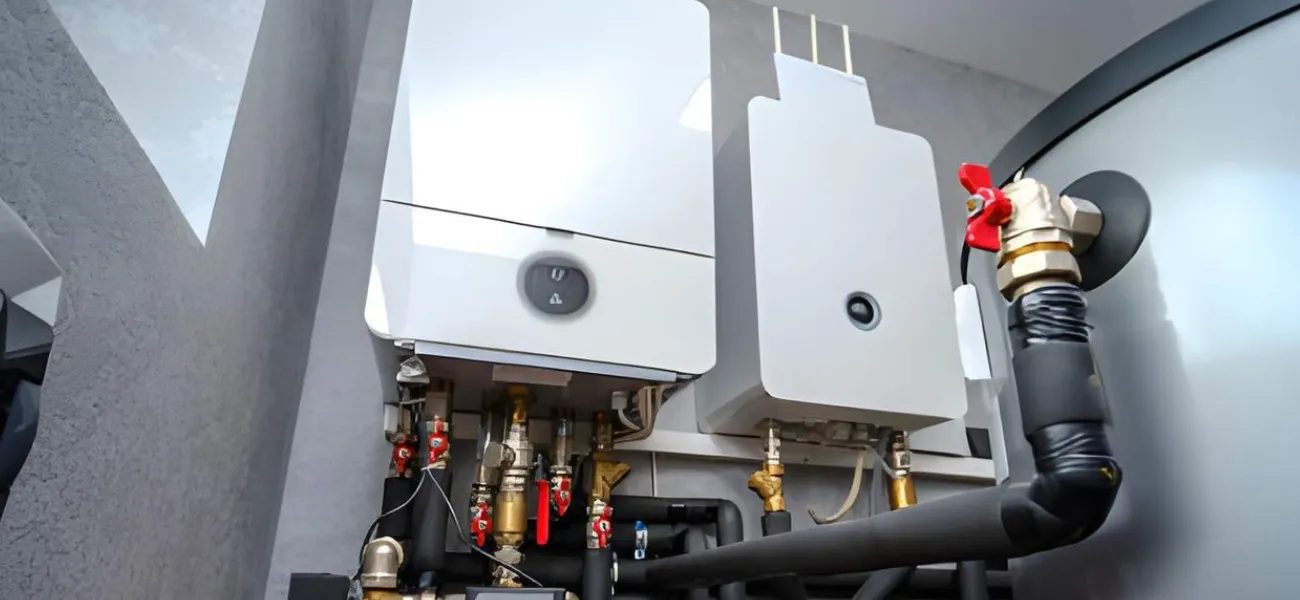
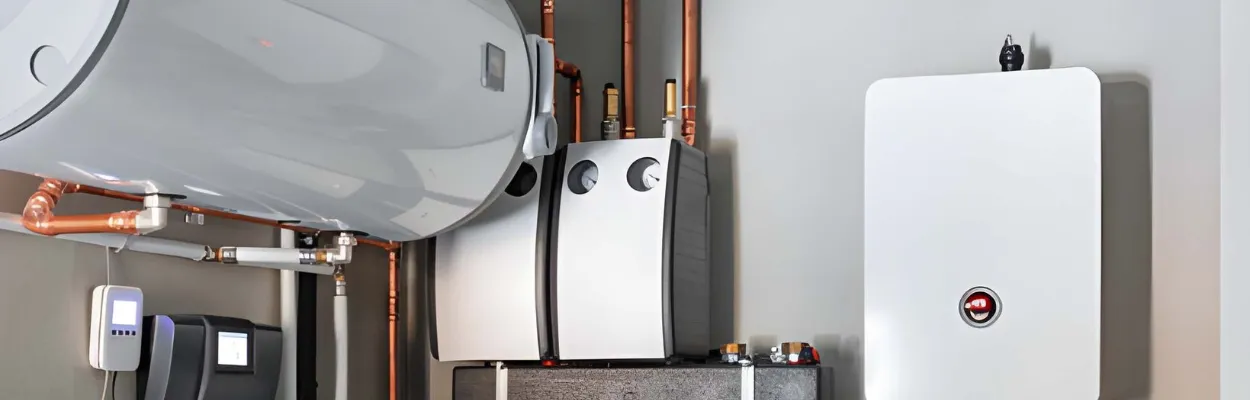
A water heater is built from core parts shared by every type — a tank, thermostat, dip tube, and temperature and pressure relief valve — plus fuel-specific parts like a gas burner or electric heating elements that work together to heat water safely.
Knowing what’s actually inside a water heater makes it much easier to understand what’s going wrong when something stops working right. A water heater isn’t one single mechanism — it’s a set of parts that each handle a specific job: bringing cold water in, heating it, holding it at a safe temperature, and releasing pressure if something goes wrong. Some of these parts are shared across every tank-style unit, while others only exist in gas models, electric models, or tankless systems. This guide walks through each major part, what it actually does, and which ones point to a DIY fix versus a call to a licensed professional.
What Parts Does Every Tank Water Heater Share?
Every tank-style water heater — gas or electric — shares a core set of parts: the tank itself, a dip tube, a thermostat, a temperature and pressure relief valve, an anode rod, a drain valve, and the cold water inlet and hot water outlet connections. These parts work together regardless of what fuel source heats the water.
Two of these — the anode rod and the T&P relief valve — do quiet, ongoing safety and longevity work that’s easy to overlook until something fails.
| Part | What It Does |
|---|---|
| Tank | Stores and insulates the water at the set temperature until it’s needed |
| Dip tube | Carries incoming cold water to the bottom of the tank so it heats before mixing with hot water at the top |
| Thermostat | Monitors water temperature and signals the heat source to turn on or off |
| Temperature and pressure (T&P) relief valve | Releases water automatically if temperature or pressure inside the tank rises to an unsafe level |
| Anode rod | Corrodes in place of the tank’s steel lining, protecting it from rust over time |
| Drain valve | Allows the tank to be drained for flushing sediment or full replacement |
| Cold water inlet / hot water outlet | Bring fresh water in and send heated water out to the home’s plumbing |
| Insulation and outer jacket | Reduces heat loss from the tank between heating cycles |
What Does the Temperature and Pressure Relief Valve Do?
The temperature and pressure relief valve, often shortened to T&P valve, is a spring-loaded safety device that opens automatically to release water if the tank’s internal temperature or pressure exceeds a safe threshold. It exists specifically to prevent a dangerous buildup that could otherwise cause the tank to rupture.
This valve should never be capped, removed, or ignored if it’s leaking or discharging water — that’s a sign of a genuine pressure or temperature problem inside the tank, not a faulty valve to simply replace and forget. Testing it periodically by lifting the lever is a normal maintenance step, but any repair involving the valve itself should go to a licensed plumber.
What Does the Anode Rod Do?
The anode rod is a metal rod, usually made of magnesium, aluminum, or a zinc alloy, installed inside the tank specifically to corrode before the tank’s steel lining does. This process, called sacrificial corrosion, is what keeps the tank itself from rusting out from the inside.
Most manufacturers recommend inspecting the anode rod every few years and replacing it once it’s worn down to a thin wire core, since a fully depleted rod leaves the tank exposed to corrosion. Homes with softened water tend to wear through anode rods faster, which is worth knowing if you’re troubleshooting a tank that’s failed earlier than expected.
What Parts Are Specific to a Gas Water Heater?
A gas water heater includes several parts a tank-only design wouldn’t have: a burner assembly, a thermocouple or flame sensor, a gas control valve, and a flue or draft hood to vent combustion exhaust safely outside. These parts exist specifically to manage the combustion process.
Because these components involve an open flame and combustible gas, diagnosing or replacing most of them is a job for a licensed technician rather than a DIY project.
The Burner Assembly and Pilot
The burner assembly is the component at the bottom of the tank where gas ignites to produce the heat that warms the water above it. In many models, a small pilot light stays lit continuously to ignite the main burner when the thermostat calls for heat, though some newer units use electronic ignition instead.
A burner that won’t stay lit, produces a yellow or flickering flame instead of a steady blue one, or repeatedly extinguishes usually points to a problem with the thermocouple, gas supply, or venting — all reasons to call a professional rather than repeatedly relighting it.
The Thermocouple or Flame Sensor
A thermocouple is a safety sensor that detects whether the pilot flame is actually burning and shuts off gas flow if it isn’t, preventing unburned gas from continuing to flow into the tank. Some newer systems use an electronic flame sensor that performs a similar role.
A worn thermocouple is one of the more common reasons a gas water heater’s pilot light won’t stay lit, and replacing it is a relatively routine repair for a licensed technician.
The Gas Control Valve
The gas control valve regulates how much gas reaches the burner and typically houses the thermostat dial on many residential gas water heaters. It’s the component that translates the thermostat’s temperature setting into actual gas flow to the burner.
Because this valve controls gas flow directly, any suspected malfunction — including a valve that won’t ignite, won’t shut off, or smells like gas — calls for immediately shutting off the gas supply and contacting a licensed technician or your gas utility.
The Flue and Draft Hood
The flue is the vent pipe that carries combustion exhaust, including carbon monoxide, safely outside the home, while the draft hood helps regulate airflow into that vent and prevents exhaust from backing up into the living space. Both parts are essential safety components, not just structural pipe.
A flue that’s disconnected, blocked, or corroded can allow carbon monoxide to enter the home instead of venting outside, which is why any sign of soot, rust, or looseness around the flue connection warrants an immediate professional inspection.
What Parts Are Specific to an Electric Water Heater?
An electric water heater replaces the gas burner and venting system entirely with electric heating elements, thermostats mounted directly on the tank, and a high-limit safety switch. Most residential electric tank models use two heating elements rather than one continuous burner.
Because these parts carry standard household current — often 240 volts — testing or replacing them safely requires shutting off power at the breaker first, and any wiring work should go to a licensed electrician.
Upper and Lower Heating Elements
The heating elements are metal rods that heat directly on contact with the surrounding water, and most tanks use two: an upper element and a lower element, each controlled by its own thermostat. Only one element typically runs at a time, alternating based on which part of the tank needs reheating.
A failed lower element often shows up as hot water that runs out faster than usual, since the upper portion of the tank can still heat even after the lower element stops working. A technician tests each element’s resistance with a multimeter to confirm which one has failed before replacing it.
The High-Limit Switch (ECO)
The high-limit switch, sometimes called the energy cutoff or ECO, is a safety device that shuts off power to the heating elements if the water temperature climbs above a safe threshold, regardless of what the thermostat is set to. It acts as a backup in case the primary thermostat fails.
If this switch trips repeatedly, it usually points to an underlying thermostat problem rather than a fault in the switch itself, and a licensed electrician or plumber should diagnose the root cause before simply resetting it.
What Parts Are Unique to a Tankless Water Heater?
A tankless water heater replaces the storage tank entirely with a heat exchanger, a flow sensor, and — depending on fuel type — either a gas burner and igniter or electric heating elements that activate only when water is flowing. There’s no standing reserve of hot water to draw from.
Because these units heat water instantly rather than gradually, their parts are built to respond within seconds of detecting flow, which is a fundamentally different engineering challenge than maintaining a stored tank of hot water.
The Heat Exchanger
The heat exchanger is the core component that transfers heat from the burner or electric elements directly to the water as it passes through, rather than heating a large stored volume. Mineral scale buildup on this surface is one of the most common reasons a tankless unit’s performance declines over time.
Manufacturers typically recommend descaling the heat exchanger on a set schedule, especially in areas with hard water, to keep this component working efficiently.
The Flow Sensor
The flow sensor detects when water starts moving through the unit and signals the system to begin heating, then signals it to stop once flow drops below the minimum threshold. This is what allows a tankless unit to activate almost instantly when a faucet turns on.
A flow sensor that’s malfunctioning or partially blocked can cause the unit to fail to ignite even when water is running, which is one of the more common tankless-specific service calls.
Which Water Heater Part Is Most Likely Causing a Specific Problem?
Matching a symptom to the part most likely responsible is the fastest way to narrow down a water heater problem before calling for repair. The table below maps common symptoms to the parts most often behind them.
| Symptom | Likely Part | DIY Check or Call a Pro |
|---|---|---|
| No hot water at all (electric) | Failed heating element or tripped high-limit switch | Call a licensed electrician |
| No hot water at all (gas) | Extinguished pilot, faulty thermocouple, or gas control valve | Call a licensed technician |
| Water runs out faster than expected | Failed lower heating element or broken dip tube | Call a licensed plumber or electrician |
| Popping or rumbling sounds | Sediment buildup on the tank bottom or heating element | DIY check: consider flushing the tank |
| Water leaking from the top of the tank | Loose inlet/outlet fitting or failing T&P valve | Shut off water; call a licensed plumber |
| Rotten-egg smell in hot water | Anode rod reacting with bacteria in the tank | Call a licensed plumber to inspect the anode rod |
| Rust-colored water | Corroding anode rod or tank lining | Call a licensed plumber |
| Pilot light won’t stay lit | Worn thermocouple or flame sensor | Call a licensed technician |
| Tankless unit won’t ignite despite flowing water | Faulty flow sensor or scaled heat exchanger | Call a licensed technician |
How Do You Know When a Part Needs Repair or Replacement?
A part needs repair when it’s the only failed component in an otherwise sound tank, while replacing the entire water heater becomes the better option when multiple parts fail at once or the tank itself shows corrosion or leaks. Age also factors in, since most tank water heaters last about 8 to 12 years.
If a technician diagnoses a failed part in a unit that’s near or past that age range, it’s worth asking whether a single-part repair is truly cost-effective compared to replacing the whole unit, since other parts may not be far behind in wearing out.
Which Water Heater Parts Should You Never Try to Replace Yourself?
Any part connected to gas supply, an open flame, or standard household electrical wiring should be left to a licensed professional, including the gas control valve, thermocouple, burner assembly, heating elements, and any internal wiring. These carry real fire, shock, or gas-leak risks if handled incorrectly.
Parts like the drain valve, or checking (not repairing) the T&P valve by testing its lever, are reasonable for a comfortable homeowner to handle. When in doubt about whether a part is safe to work on, treating it as professional-only work is the safer default.
Frequently Asked Questions
What is the most important part of a water heater?
There isn’t a single “most important” part, since the tank, heating source, thermostat, and safety devices like the T&P valve all serve essential, different roles. The T&P valve is arguably the most safety-critical, since it prevents dangerous pressure buildup regardless of what else fails.
How often should the anode rod be replaced?
Most manufacturers recommend checking the anode rod every two to three years and replacing it once it’s worn down to a thin wire core. Homes with softened water often need more frequent replacement, since softened water accelerates anode rod wear.
Can I replace a water heater part myself?
Some parts, like the drain valve or testing the T&P valve lever, are reasonable for a homeowner to handle. Parts involving gas, an open flame, or electrical wiring — like the gas control valve, thermocouple, or heating elements — should be left to a licensed professional.
Why does my gas water heater’s pilot light keep going out?
This is most often caused by a worn thermocouple that’s failing to detect the pilot flame correctly, though a drafty installation or a gas supply issue can also be the cause. A licensed technician can test the thermocouple and confirm the actual cause before replacing any part.
What part causes a water heater to leak from the top?
A leak from the top of the tank is usually traced to a loose cold water inlet or hot water outlet fitting, or a T&P valve that’s discharging water due to excess pressure or temperature. Shutting off the water supply and calling a licensed plumber is the right next step either way.
Do tankless water heaters have an anode rod?
No, tankless water heaters don’t have an anode rod, since that part protects a storage tank’s steel lining from corrosion and tankless units don’t store water. Instead, their main wear point is typically the heat exchanger, which needs periodic descaling.
How do I know if my heating element is bad?
A failed lower heating element often shows up as hot water that runs out faster than normal, since the upper element can still heat even after the lower one stops working. A licensed electrician or technician confirms this by testing the element’s resistance with a multimeter.
If you’re not sure which part is causing a problem with your water heater, Anaheim Plumbing can diagnose the exact cause and explain your repair options. Call 714-782-3420.