Table of Contents
A TPR valve, short for temperature and pressure relief valve, is a safety device on a water heater that opens automatically to release water once the tank’s internal pressure or temperature exceeds a safe limit. It exists specifically to prevent a sealed tank from rupturing or exploding.
Most people never think about the small valve sitting on top of or beside their water heater until it either won’t stop dripping or someone asks whether it’s ever been tested. That valve is doing more work than its size suggests.
This article explains what a TPR valve actually is, the physical reason a water heater needs one at all, how the mechanism triggers, where to find it, how to test it, and what specific signs mean it needs to be replaced rather than just watched.
What Is a TPR Valve?
A TPR valve, standing for temperature and pressure relief valve, is a spring-loaded safety device installed on every tank-style water heater that opens to release water once internal pressure or temperature crosses a preset safety threshold. It’s also commonly called a T&P valve, and the two names refer to the exact same component.
The valve sits closed under normal operating conditions, held shut by internal spring tension. It’s designed to stay completely inactive through the water heater’s normal daily cycle of heating and cooling, only opening in the specific circumstance its threshold is exceeded.
How the Name Relates to the Function
The “T” and “P” in the name aren’t decorative. The valve genuinely monitors two separate physical conditions, temperature and pressure, and either one independently can trigger it to open. This dual sensitivity matters because a tank can become dangerous through either pathway: a runaway heating element or gas burner driving temperature up, or a blocked expansion path driving pressure up even without an unusual temperature reading. A valve that only watched one of the two would leave a real gap in protection.
Why Does a Water Heater Need a TPR Valve at All?
A water heater is a sealed pressure vessel, and heating water inside a sealed space causes it to expand, which builds pressure that has to go somewhere if the tank’s normal controls fail. Without a relief mechanism, that pressure has nowhere to release except through the tank’s own structure.
If a water heater’s thermostat or other safety controls malfunction and heating continues unchecked, water inside the tank can become superheated well past its normal boiling point without actually turning to steam, since it remains under pressure. If that pressure is then suddenly released, whether through a failure point in the tank itself or an uncontrolled rupture, the superheated water flashes into steam almost instantly, expanding to roughly 1,600 times its original volume. This expansion ratio is widely cited in plumbing and home inspection sources and should be confirmed against current engineering references. The TPR valve exists to release that pressure gradually and safely, long before conditions ever reach that point.
What Building Codes Require
Because of this risk, plumbing codes have required a temperature and pressure relief valve on every tank-style water heater installation for decades. The exact code requirement and its history should be confirmed against the applicable code edition in the relevant jurisdiction. This isn’t an optional or aftermarket safety feature. Every water heater manufactured for residential use ships with a properly rated valve already installed, precisely because the consequences of skipping this protection are severe enough that it’s treated as a baseline requirement rather than an upgrade.
How Does a TPR Valve Actually Work?
A TPR valve monitors both temperature and pressure inside the tank simultaneously and opens if either one, independently of the other, crosses its preset limit. This dual trigger is what separates it from a simple pressure-only relief valve.
The Trigger Points: Temperature and Pressure
Most residential TPR valves are set to open at approximately 210°F or 150 psi, whichever threshold is reached first. Exact settings can vary by manufacturer and should be confirmed against the specific valve’s data plate rather than assumed universal. A typical water heater actually operates well below either threshold, generally in the 120°F to 140°F range, so under normal conditions the valve has a wide safety margin before it would ever need to activate.
The Discharge Pipe’s Role
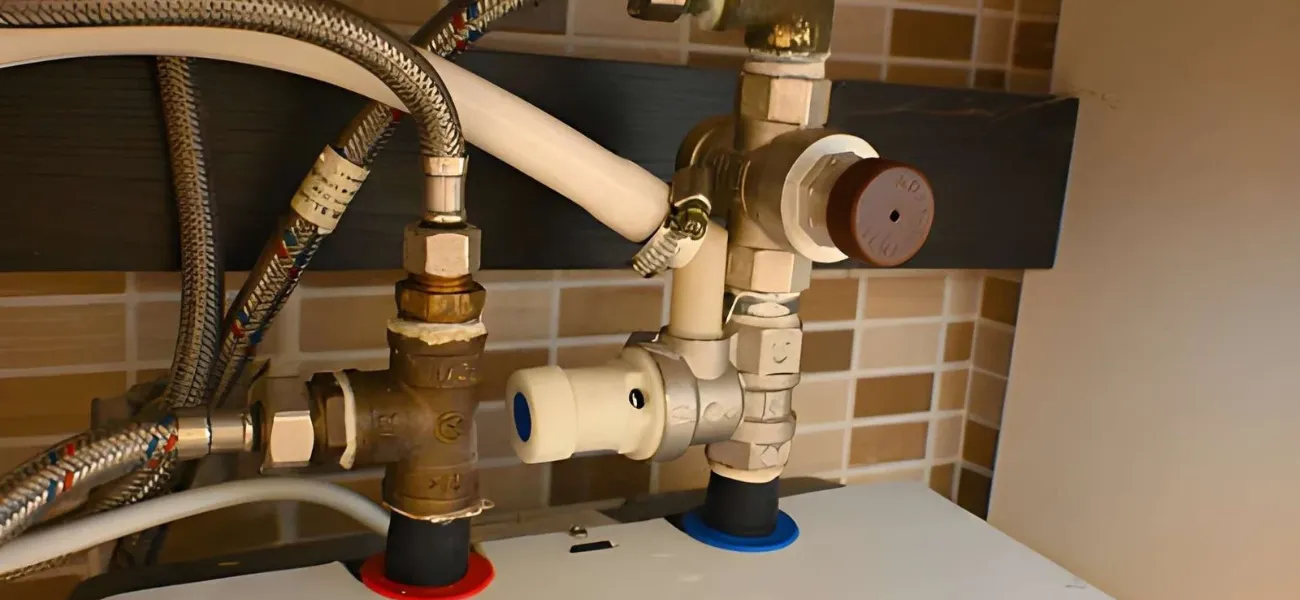
A TPR valve is always connected to a discharge pipe, which directs the water released during activation downward, typically ending within about six inches of the floor. This pipe exists so that if the valve does open, whether during an actual overpressure event or a routine test, the resulting flow of hot water and possibly steam is directed safely toward the floor rather than sprayed outward toward anyone standing nearby.
Discharge Pipe Materials and Sizing
Discharge pipes are typically made from materials rated to handle sudden exposure to very hot water and possibly steam, such as CPVC, copper, or galvanized steel, depending on local code requirements and what the original installer used. Approved materials vary by code edition and jurisdiction. The pipe’s diameter also generally has to match or exceed the valve’s own outlet size, since a pipe that’s too narrow can restrict flow during an actual discharge event and reduce how quickly the valve can relieve pressure when it matters most.
Where Is the TPR Valve Located on a Water Heater?
A TPR valve is typically mounted on the top of the tank or on the upper portion of one side, connecting into the tank at a fitting installed during manufacturing. The discharge pipe attached to it runs down along the tank’s exterior toward the floor.
The threaded fitting the valve screws into is welded onto the tank itself during manufacturing and can’t be removed or relocated. This is one reason a failing TPR valve is replaced at the valve itself rather than by modifying the tank, and also why the valve installed must be rated to match the specific tank it’s protecting.
How Do You Test a TPR Valve?
Testing a TPR valve involves briefly lifting its exterior test lever to manually trigger a discharge, confirming that water flows freely and that the valve closes again cleanly once released. This check confirms the valve isn’t stuck shut, which would defeat its entire purpose.
To test the valve, place a bucket or container under the end of the discharge pipe, lift the lever partway for a second or two, and watch for a clear flow of water into the container. Release the lever and confirm the flow stops completely rather than continuing to drip. The water released during this test will be hot, so keeping hands and skin clear of the discharge stream matters throughout the process.
If the valve doesn’t release any water when the lever is lifted, or if it continues dripping steadily after being released, that’s a sign the valve needs professional attention rather than repeated testing. Recommended testing frequency varies by source and manufacturer guidance and should be confirmed for the specific unit involved.
A Note on Older Valves Before Testing
A valve that’s several years old, or one that’s never been tested since installation, carries a slightly different consideration before testing than a newer one. Mineral deposits or corrosion that built up gradually can sometimes prevent an old valve from reseating cleanly once it’s been lifted, even if it appeared fine beforehand. This doesn’t mean older valves shouldn’t be tested, since an untested valve provides no confirmed protection at all, but it’s worth being prepared for the possibility that testing an older valve reveals it needs replacement rather than confirms it’s fine.
TPR Valve Behavior at a Glance
How a TPR valve behaves during normal operation, testing, and failure all point to different situations, which is why matching the specific behavior observed to the table below helps clarify what’s actually happening.
| Behavior Observed | What It Likely Means | Action Needed |
|---|---|---|
| Valve stays closed, no leaking, tests properly | Normal operation | None, routine testing is still worthwhile |
| Small but steady drip from the discharge pipe | Valve seat is worn or fouled with mineral deposits | Replacement, since a leaking valve indicates it’s no longer sealing reliably |
| No water released when the test lever is lifted | Valve is stuck or corroded shut | Replacement, since a valve that won’t open provides no protection |
| Valve won’t stop discharging after being tested or activated | Valve failed to reseat properly | Shut off water and call a professional promptly |
| Valve discharges on its own during normal operation | Tank pressure or temperature is exceeding safe limits | Treat as urgent, contact a professional immediately |
Signs a TPR Valve Needs to Be Replaced
A TPR valve that leaks continuously, fails to release water during a test, or won’t reseat after activating are all signs it needs to be replaced rather than repaired, since these valves aren’t designed to be serviced internally. Any of these conditions means the valve is no longer functioning as a reliable safety device.
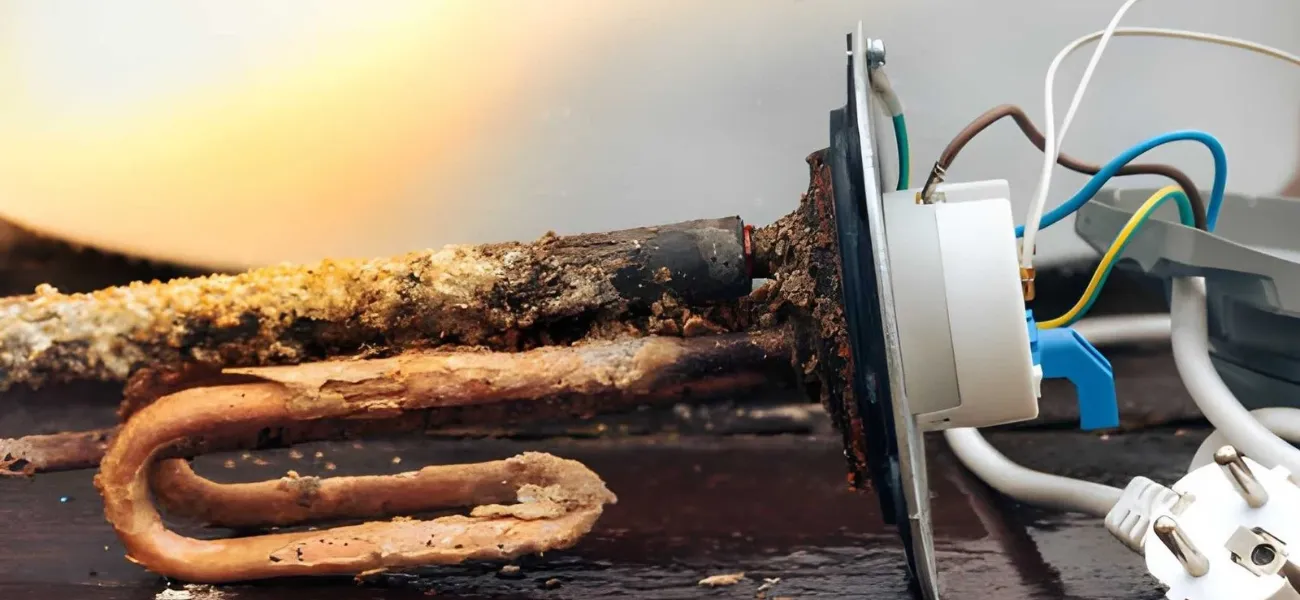
Mineral buildup and corrosion are common reasons a valve stops sealing properly over time, particularly in areas with harder water. Age also plays a role, since the internal spring and seals can weaken gradually even without a specific mineral or corrosion issue. A valve that has never been tested and is several years old is worth having checked, simply because there’s no way to confirm it still functions correctly without that test.
Replacement itself is usually a straightforward task for a professional, since the valve threads into the same fitting the old one came out of. The more important part of the job is confirming the new valve’s pressure and temperature rating matches what the specific water heater actually requires, information found on the tank’s data plate.
What Should Never Be Done With a TPR Valve or Its Discharge Pipe?
A TPR valve and its discharge pipe should never be capped, plugged, reduced in diameter, extended with fittings that restrict flow, or removed for any reason, since doing so disables the water heater’s primary defense against a tank rupture. This applies even if the valve is dripping and the drip is considered a nuisance.
A dripping valve should be replaced, not blocked. Capping a leaking discharge pipe to stop the drip removes the one path the tank has to relieve dangerous pressure, which turns a minor annoyance into a serious hazard. Similarly, the discharge pipe should never be shortened to end above the recommended height or redirected somewhere that could put a person in the path of a sudden hot water discharge.
When to Call a Professional
Call a licensed plumber if a TPR valve fails a basic test, leaks continuously, won’t reseat after releasing water, or if there’s any uncertainty about whether the valve matches the tank’s rated pressure and temperature limits. These are not situations to leave unaddressed or attempt to resolve with a workaround.
- The valve doesn’t release water when the test lever is lifted.
- The valve continues dripping or discharging after being tested.
- The valve appears corroded, damaged, or original to a much older tank.
- Any uncertainty about whether a replacement valve is correctly rated for the specific water heater.
Water Heater Repair Services covers broader water heater maintenance and repair once the TPR valve has been checked.
Frequently Asked Questions
Is it normal for a TPR valve to drip occasionally?
No, a properly functioning TPR valve should not drip during normal operation, and any steady dripping means the valve is no longer sealing correctly and needs to be replaced. A brief release of water during an intentional test is expected, but ongoing dripping afterward is not.
How often should a TPR valve be tested?
Testing frequency recommendations vary, though many sources suggest checking the valve roughly once or twice a year as part of routine water heater maintenance. The specific manufacturer’s recommendation for the unit in question should be confirmed rather than relying on a general interval.
Can I replace a TPR valve myself?
Replacing a TPR valve involves working with a pressurized tank and matching the replacement valve’s rating precisely to the water heater, which is why many homeowners have this done by a licensed professional rather than as a DIY project. An incorrectly rated or improperly installed valve can fail to provide adequate protection.
What happens if a water heater doesn’t have a TPR valve?
A water heater without a functioning TPR valve has no way to relieve dangerous pressure if its normal temperature controls fail, which creates a real risk of the tank rupturing. Building codes have required these valves on water heaters for decades specifically because of this risk.
Why does hot water come out when I test the TPR valve?
The water released during a test is the same hot water stored in the tank, discharged briefly to confirm the valve opens and closes properly. This is expected and is why the discharge pipe directs the flow downward and away from anyone standing near the unit.
Can a TPR valve go bad without ever being used?
Yes, a TPR valve can fail from corrosion, mineral buildup, or age even if it has never actually activated during an overpressure event, which is exactly why periodic testing matters. A valve that has simply been sitting closed for years isn’t guaranteed to still function correctly without ever being checked.
Next Steps
If your water heater’s TPR valve is leaking, won’t test properly, or you’re not sure when it was last checked, Anaheim Plumbing can inspect and replace it if needed.