Drain rodding is the manual clearing of a blocked drain by pushing flexible, jointed rods through the pipe until the obstruction breaks up, moves on or can be pulled out. The rods screw together end to end, so a short set of sections becomes a single bendable tool that can follow the pipework from an access point. It is used on accessible drains, sewer runs and sink runs, and it suits minor clogs that sit within reach of an opening. Because the work is done by hand, it needs no chemicals and no pressurized water, which keeps the method simple and low in disruption.
What sets rodding apart from other methods is that it relies on mechanical force rather than washing the blockage away. A rod head pushes through, scrapes at, hooks or retrieves the material, whereas jetting uses high-pressure water to flush debris and scour the pipe walls. That difference matters in practice, because rodding often opens a channel through a clog without cleaning the surrounding pipe. It works best for a single, localized obstruction, and less well for heavy buildup, deep problems or blockages that keep returning.
How Does Drain Rodding Work?
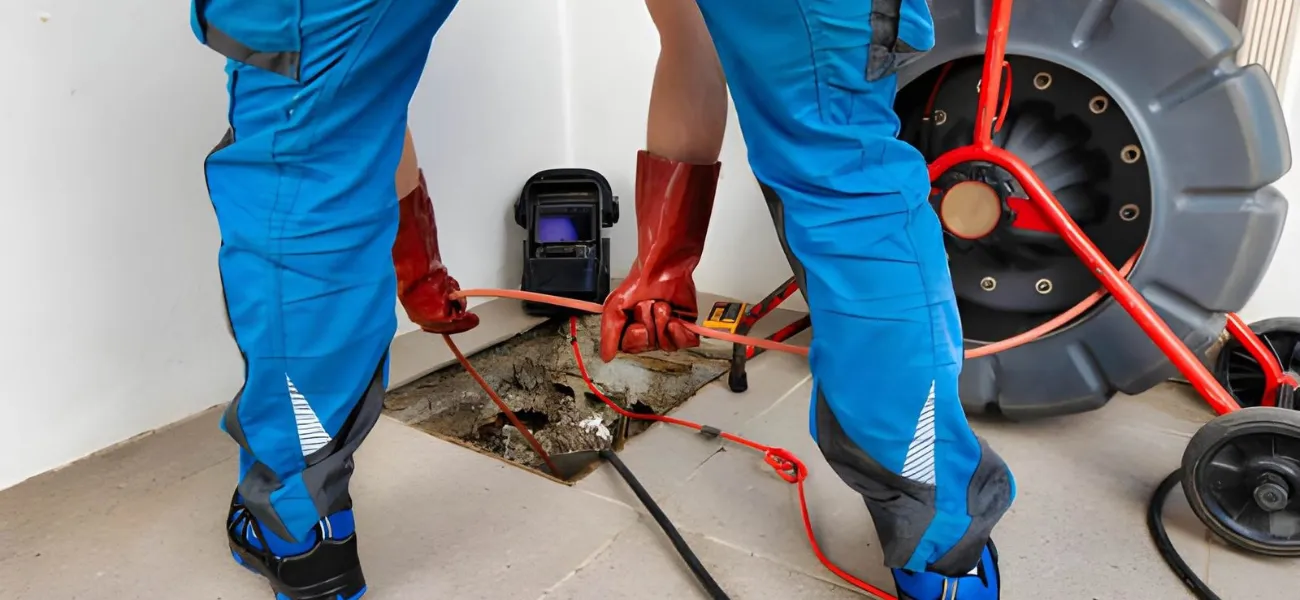
Drain rodding works by feeding screwed-together flexible rods into the drain through an access point and using push and twist movements to break or hook the blockage. Typical entry points include an inspection chamber, manhole, rodding eye or gully, and the work usually proceeds downstream from the nearest point above the clog. Gentle forward pressure loosens the obstruction, and a head fitted to the end can cut into it, scrape it or catch hold of it. Clockwise rotation keeps the joints tight as the rods travel around bends, which is why the turning direction matters so much.
Once the blockage gives way, the rods are drawn back so that debris comes out of the pipe, and the push-and-withdraw cycle repeats until flow is clear. Loosened material that stays in the pipe is then flushed away with water, which also shows whether the drain now runs freely. This approach suits minor, accessible blockages within a few meters of an opening and does not disturb stable pipework. It cannot repair structural faults such as collapsed sections or heavy root growth, which call for a camera survey, jetting or repair.
What Are Drain Rods and Their Attachments?
Drain rods are lengths of flexible, interlocking rod joined by couplings, usually with a handle, and they accept interchangeable heads that suit different blockages. The rod itself is commonly made from fibreglass or polypropylene, materials strong enough to transmit force along a pipe yet flexible enough to bend around curves.
| Head | Best use |
|---|---|
| Plunger | Soft clogs |
| Corkscrew | Retrieving debris |
| Scraper | Stubborn deposits |
| Auger | Extreme cases |
Steel rods also exist, though the flexible plastic types are what most people picture when they think of household drain rods. The heads fitted to the end are what decide how the tool acts on the clog, so choosing the right one is part of the job.EOF A plunger head is the usual choice for soft clogs, pushing against the material and helping to shift it along the pipe.
A corkscrew head bites into compacted waste or tangled matter so it can be pulled back out, while a scraper works at stubborn deposits. Claw heads can grip a solid object such as a toy and retrieve it, which avoids pushing it deeper into the drain. The match between head and blockage matters because the wrong tool may simply compress the material or slide past it.
An auger head can be fitted for more extreme cases, where its cutting action helps remove tougher obstructions that softer heads cannot shift. It is a heavier-duty option, so it calls for more care, particularly in older or fragile pipes where aggressive cutting could do harm.
Most routine jobs never need it, and the plunger, corkscrew and scraper cover the majority of minor clogs near an access point. If a lighter head fails to make progress, that is often a sign that the problem needs a different method rather than more force. Flexibility is the key property of the rod material, and it explains why gentle pressure is the right approach.
A rod that bends can follow the pipe, but heavy shoving can overload a joint, push a blockage deeper or press the head against a defect. Couplings also depend on the correct turning direction, since turning against the thread can unscrew sections inside the drain. Steady pressure, clockwise rotation and a head chosen for the clog protect both the equipment and the pipe.
What Is the Rodding Process Step by Step?
The rodding process runs in a set order: prepare, locate the access point, lift the cover, assemble the rods with a suitable head, feed them in, work the blockage, withdraw, and flush. Preparation comes first and includes putting on gloves and safety glasses, and shutting off the water supply so that nothing runs into the drain during the work. Getting these basics right protects you from contaminated water and splashes, and it keeps the pipe from filling while you are working the blockage. The numbered steps below set out the sequence from start to finish.
- Wear gloves and glasses; shut off water.
- Find and lift access cover.
- Attach head; assemble rods.
- Feed in; turn clockwise only.
- Withdraw, then flush to test.
After choosing the head to suit the clog, screw the first rod to it and feed it gently into the drain. Add further rods one at a time as the assembly advances, keeping the connections tight so that nothing works loose inside the pipe. When resistance appears, you have probably reached the blockage, and the technique then shifts to controlled pushing and twisting rather than forceful driving. Pulling the rods back periodically brings material out of the pipe, which is better than leaving debris to settle further along.
Direction of rotation is the detail that most often causes trouble, because rods should be turned clockwise only. Turning anti-clockwise can unscrew a coupling, leaving a section stranded in the pipe where it may be difficult or impossible to recover. The same discipline applies to pressure, since forcing rods against a stubborn obstruction can push the clog further in or damage the inside of the pipe. If resistance does not ease with steady, gentle work, stopping is wiser than adding force.
The final stage is withdrawing the rods and flushing the drain with water to confirm that flow has returned. A clear, quick flow suggests the obstruction has gone, while slow draining or standing water indicates that material remains or that something else is wrong. Clean the rods afterward, since they will carry waste from the drain, and wash your hands and gloves thoroughly. If the blockage reappears soon after, treat that as a warning that rodding alone may not address the cause.
What Types of Blockage Can Drain Rodding Clear?
Drain rodding can clear soft or localized blockages such as paper, leaves, hair, wipes, compacted waste and some solid objects that can be hooked and retrieved. It suits sinks, toilets, yard drains and sewer runs on the property, particularly where the clog lies close to an inspection chamber or rodding eye. Straight or gently curved pipes in materials such as PVC or cast iron give the rods the easiest path. The most common targets are listed below.
- Leaves, twigs, garden debris
- Toilet paper, sanitary items
- Hair, small roots
- Retrievable solid objects
Outdoor drains often clog with leaves, twigs and garden debris, which rods can break up or pull out from a gully or chamber. Indoors, toilet paper and sanitary items can form a plug that a plunger or corkscrew head will loosen or draw back. Small roots and hair buildups that are not deeply embedded are also within reach, since the rod can cut or snag the mass. Where several fixtures back up at once, a shared branch pipe or stack may be the location, and rodding from an access point can reach it.
Grease is the notable exception, because rodding may clear it only partly and it tends to return. The rods often punch a hole through fatty buildup without scraping the pipe walls, so the narrowed bore remains and refills quickly. The same limit applies to scale, and to structural problems such as collapsed pipes, displaced joints or heavy root ingress. Rodding also cannot help with blockages in public sewers, which are the water company’s responsibility rather than the property owner’s.
How Do You Know If a Drain Needs Rodding?
A drain probably needs rodding when it drains slowly, gurgles, smells foul or fails to respond to a plunger. Slow sinks and unpleasant odors are early warnings that something is narrowing the pipe, and acting then often means a simpler, cheaper fix. Gurgling points to air trapped behind a clog, as water struggles to pass and displaces air back up the line. Ineffective plunging is another clue, since a plunger rarely reaches a blockage that sits further along the pipe.
Water backing up into tubs, sinks or toilets suggests the blockage may be severe, and overflowing toilets are an urgent sign. Several fixtures failing together usually means the obstruction is in a shared pipe rather than in one trap. Blockages that recur soon after clearing signal a deeper problem, such as grease buildup, roots or damaged pipework. In those cases a camera inspection should come first, so that the cause is known before rods go in.
What Are the Benefits and Limitations of Drain Rodding?
Drain rodding is quick, affordable and chemical-free, but it has a short reach and often leaves the pipe walls uncleaned. It is generally cheaper than jetting or excavation and needs less specialized equipment, which makes it a practical first response. It causes little disruption to stable pipes, needs no electricity, and is safer and more eco-friendly than chemical cleaners. It can also be paired with other methods, such as a camera survey or jetting, when the problem is larger.
| Benefits | Limitations |
|---|---|
| Quick, chemical-free | Short reach |
| Cheaper than jetting | Walls stay dirty |
The main limitations come from what rods physically can do. They are generally effective only within a few meters of an opening, and they may push material further along rather than remove it. Because they often fail to clean the pipe walls, blockages can recur if the cause remains. Rodding is unsuitable where worn pipes, leaks or root growth are the underlying problem, and forcing rods through fragile pipework risks damage.
In simple cases rodding restores flow immediately, which is its real strength. For thick grease buildup, extensive roots or complex faults, it may give only a temporary fix. There, jetting or a professional assessment may prove more cost-effective than repeated rodding. Matching the method to the cause matters more than the method’s reputation.
Can Drain Rodding Damage Pipes or Get Stuck?
Yes, drain rodding can damage pipes or get stuck if rods are forced, mishandled or used on brittle or deformed pipework. Non-professional rodding can push a clog further along or scratch and damage the inside of the pipe. Excess force is the usual cause, particularly in older pipes that cannot tolerate being pushed hard. Gentle pressure and a prior survey of fragile systems are the best protection.
Rods can become trapped around bends, caught in defects or lodged in the obstruction itself. Turning them anti-clockwise can also unscrew a coupling and leave a section behind. If rods are lost inside a drain, stop work and get professional help rather than trying to force them free. Specialists have the equipment to locate and recover them without worsening the damage.
Why Does a Drain Keep Blocking After Rodding?
A drain keeps blocking after rodding when the rods only opened a channel or when an underlying defect is causing the clog. Rodding often punches a hole through a blockage while the residue stays on the pipe walls and gradually closes the gap again. If the obstruction lies deeper than the rods reach, or keeps returning, rodding is usually not enough. Repeat blockages are therefore a sign to investigate the cause rather than rod again.
Underlying defects are common culprits. Root ingress, misaligned or collapsed pipes and grease buildup all catch debris and narrow the bore, so a cleared drain quickly clogs once more. Rods cannot repair these faults, and forcing them against a defect risks making things worse. The blockage is then a symptom, and clearing it is only a temporary answer.
A CCTV drain survey is the usual next step, because a camera shows what is happening inside the pipe. It can reveal cracks, displaced joints, root ingress or deposits that rods cannot reach. That evidence allows the right remedy to be chosen, whether jetting, relining or a localized repair. Diagnosing first avoids paying for repeated clearing that never solves the problem.
Once the cause is known, the response can be targeted. Grease buildup may call for jetting to clean the walls, while a collapsed or cracked section needs repair. Rodding can still help as an initial step or alongside other methods. Keeping a record of how often blockages return helps a professional judge how deep the problem runs.
Drain Rodding vs Jetting: What’s the Difference?
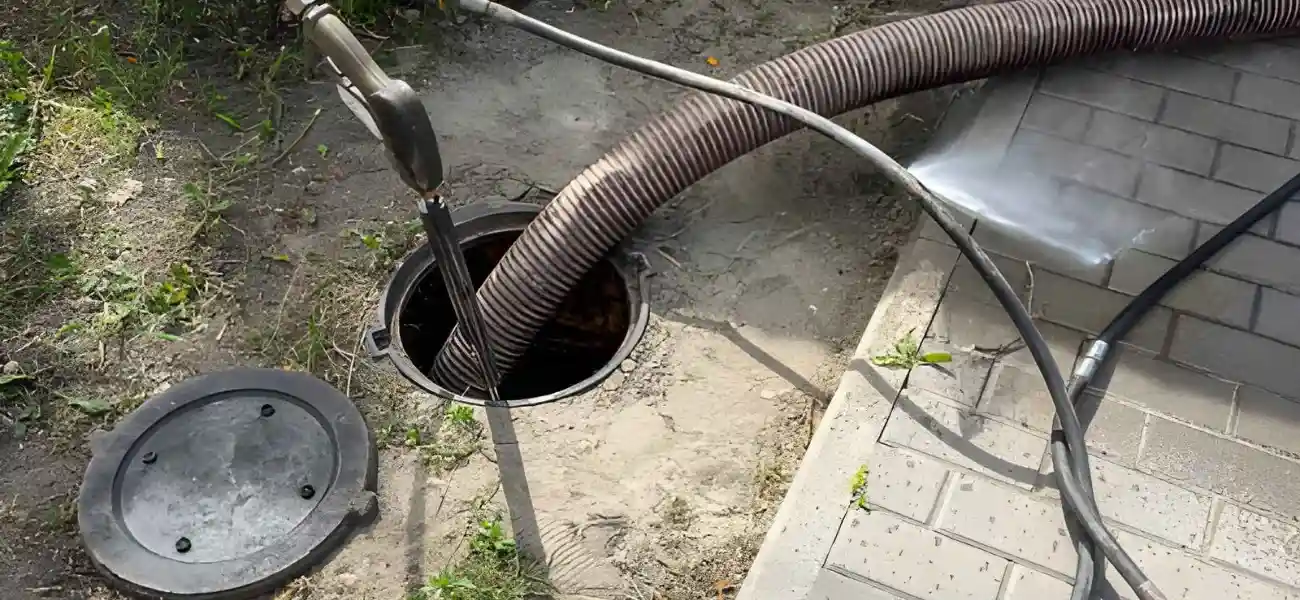
Rodding uses mechanical force to break or retrieve a blockage, while jetting uses high-pressure water to remove it and clean the pipe interior. The right choice depends on what is actually causing the blockage rather than on a general preference. Rodding fits a single solid blockage, such as a plug or object, near an access point. Jetting handles deeper, tougher or recurring buildup that rodding may not clear.
| Criterion | Rodding | Jetting |
|---|---|---|
| Method | Rods | Water |
| Best for | Single blockage | Buildup |
| Pipe walls | Often uncleaned | Cleaned |
The table compares the two methods on shared criteria, and the main lesson is that thoroughness separates them. Rodding opens a path, whereas jetting scours the walls, which matters most when grease or scale is involved. Rodding is generally cheaper and simpler, so it often makes sense as a first attempt on a minor clog. Where blockages recur, jetting, often after a camera survey, is likely the better route.
What Are the Alternatives to Drain Rodding?
The main alternatives to drain rodding are a CCTV drain survey, high-pressure water jetting, drain relining and excavation with repair. Each answers a different problem, from diagnosing an unknown cause to fixing a damaged pipe. A survey shows cracks, displaced joints, root ingress and deposits, and jetting clears blockages while cleaning pipe interiors. The options are listed below.
- CCTV drain survey
- High-pressure jetting
- Drain relining
- Excavation and repair
Relining suits a cracked or worn pipe, because it restores the pipe from inside without digging. Excavation digs up the pipe to reach and remove the blockage, and it is used when rodding has been unsuccessful or a section has collapsed. These are heavier interventions, so they usually follow a survey that confirms the need. Jetting is the milder option, suited to deeper, tougher or recurring buildup.
The methods often work together rather than in competition. Rodding is often the first step for suspected tree roots, before more advanced methods are brought in. A camera survey can then confirm the result or reveal damage that needs repair. Starting with the least invasive approach, and escalating as evidence demands, usually keeps cost and disruption down.
Can You Rod a Drain Yourself?
Yes, you can rod a drain yourself when the drain is accessible and the blockage is a simple, minor clog. Use the right type and size of drain rods, and follow the manufacturer’s instructions for assembly and use. Gentle pressure protects the pipes, and rods should always be turned clockwise. Gloves and safety glasses are sensible protection, and good hygiene afterward matters because the equipment contacts waste.
Know your limits as well. If rods are lost inside the drain, stop and call a professional rather than trying to retrieve them yourself. Forcing equipment can push the clog further or damage the inside of the pipe. A blockage that does not shift with gentle effort is better left to someone with the right tools.
Call a professional for deep, repeated or unreachable blockages, and whenever you suspect a pipe defect. Recurring clogs suggest an underlying cause that a camera survey can identify. If you do not know where the blockage is, guesswork risks wasted effort and damage. The checklist below summarizes when DIY is reasonable.
- DIY: accessible, minor clogs
- Wear gloves and glasses
- Call a pro: deep, repeated, stuck rods
How Much Does Drain Rodding Cost?
Drain rodding costs vary with the blockage location, access, severity, emergency call-out and whether the property is residential or commercial. For a severe clog affecting a mainline, a reported cost is around $100 to $500, though local prices differ, so confirm with providers. Rodding is generally cheaper than jetting, since it needs less specialized equipment. Additional services, such as a CCTV survey, can raise the overall price.
- Location and access
- Severity of blockage
- Emergency call-out
- Residential or commercial
The cheapest option is not always the lowest total cost. If a blockage keeps returning, repeated rodding visits can add up and may be more expensive than addressing the cause once. A survey may cost more up front but can prevent unnecessary repeat work or point to a repair. Ask providers what the quote includes, particularly for emergency call-outs and any extra services.
Frequently Asked Questions
How long does drain rodding take?
A straightforward blockage at an accessible manhole or gully usually takes a plumber under an hour to clear. A main sewer line job with root intrusion, no existing cleanout, or a required camera inspection can take longer, sometimes requiring a second visit if further work is needed.
Is drain rodding safe for older pipes?
Rodding is generally considered gentler on pipe walls than high-pressure jetting, since it works through direct contact rather than water pressure. That said, forcing a rod or motorized cable against a fragile or corroded pipe can still cause damage, which is why an experienced plumber adjusts technique based on the pipe’s age and material.
What’s the difference between rodding and power rodding?
Rodding often refers to manual, screw-together rods pushed in by hand, while power rodding uses a motorized machine with a longer cable and a rotating cutting head. Power rodding is typically used for main sewer lines and tougher blockages that manual rods can’t reach or break through.
Can drain rodding remove tree roots?
A powered cutting head can cut through root intrusion and restore flow through the pipe, but it doesn’t remove the roots growing outside the pipe or stop them from returning. If a camera inspection confirms roots are entering through a cracked joint, a permanent repair is usually needed alongside rodding.
Does drain rodding fix a blockage permanently?
Rodding clears the current blockage, but if the underlying cause is a structural issue like a cracked pipe, offset joint, or ongoing root intrusion, the same spot can block again over time. A drain that repeatedly clogs at the same point after rodding is a common reason for recommending a camera inspection.
How do I know if I need rodding, snaking, or jetting?
Rodding and snaking both use mechanical contact to clear a blockage and are usually tried first for a straightforward clog, with rodding suited to outside drains and main lines and snaking suited to a single indoor fixture. Hydro jetting is generally reserved for pipes coated in grease or scale, or drains that keep clogging after being rodded or snaked.
Need help with drains?
Explore the relevant services available from Anaheim Plumbing.