More guides in this subject
Choose a guide to explore a specific question, component or repair.
- Chemical Drain Cleaner vs. Professional Drain Cleaning: Which Is Safer?
- DIY vs. Professional Drain Cleaning: Which Is Better?
- Drain Cleaning Cost: What You will Actually Pay
- Drain Snaking Cost: Professional and DIY Prices
- Hydro Jetting vs. Snaking: Which Is Better and When Do You Need Each?
- Main Sewer Line Cleaning Cost: Full Price Guide
- Rodding vs. Snaking: Which Drain Cleaning Method Is Best?
- Sewer Camera Inspection Cost?
- What Is Drain Rodding? How the Process Works and What It Costs
- What Is Drain Snaking? How It Works, Methods, and When to Use It
- What Is Hydro Jetting and When Do You Need It?
To clean a drain, match the method to the clog’s severity, its makeup and its location, then escalate from hot water to a plunger, a drain claw or snake, and finally a professional. Cleaning removes the gradual buildup of grease, hair, soap and debris lining the pipe, while unclogging clears an active blockage that has already stopped the flow. The two jobs overlap, but they call for different effort and different tools, so it helps to know which one you are facing. Choosing wrongly has costs. Harsh chemicals can stress older pipes and may leave the clog in place.
Mechanical tools clear the blockage without chemical reactions and are safe for all pipe types, which is why they come first in most situations. Chemical cleaners may damage pipes and often leave the clog behind, so they are a weaker starting point than a plunger or snake. Kitchen drains, bathroom drains, P-traps and main lines each collect different material and respond to different approaches. Knowing your drain type, the warning signs and when to stop and call a plumber keeps small problems from becoming expensive ones.
What Causes Drains to Clog or Smell?
Drains clog and smell mainly because grease, hair, soap scum, food scraps and debris stick to the inside of the pipe and accumulate over time. The process is gradual. A thin layer narrows the line, water begins to drain slowly, and eventually a full blockage forms. Kitchen drains tend to gather grease and food, while hair, soap scum and toothpaste collect in bathroom sink, shower and tub drains. Because the buildup is slow, a sluggish drain is usually an early warning that the pipe is partly blocked already.
Several conditions make the problem worse and are often behind odors in particular. A trapped organic film inside the pipe produces a stale smell, and a dry P-trap lets sewer gas rise into the room. Drain flies can also appear where that moist film builds up. Hard water and older plumbing aggravate things further. Mineral deposits and rougher pipe interiors give debris more places to catch, so older homes often need attention sooner.
Which Type of Drain Are You Cleaning?
The drain you are cleaning determines what you will find in it, and that decides the tools and products worth using.
| Drain | Typical clog |
|---|---|
| Kitchen sink | Grease, food, soap |
| Bathroom sink, tub, shower | Hair, toothpaste, soap scum |
| Laundry sink | Lint, detergent, grit |
| Main line | Grease, roots, foreign objects |
Kitchen sinks with disposals clog from grease, food particles and soap, while bathroom sinks, tubs and showers clog from hair, toothpaste and soap scum. Laundry, floor and outdoor drains collect lint, detergent residue, sediment, leaves and silt.
The main line serves the whole house, so a problem there shows up in several fixtures at once. Matching the drain to its typical clog saves time and avoids tools that cannot reach the problem.
How to Clean a Drain at Home Step by Step
Clean a drain at home by preparing your tools, then working from the gentlest method to the strongest, checking the flow after every step. Wear gloves, set a bucket nearby, have a flashlight ready and remove the stopper or strainer before touching the clog.
- Remove stopper or strainer.
- Flush with hot water.
- Pull out visible debris.
- Plunge.
- Try baking soda and vinegar.
- Clean the P-trap.
- Use a snake.
The usual order is hot water, manual removal, plunger, natural cleaner, P-trap and finally a snake. Starting gently avoids unnecessary effort and reduces the chance of pushing a soft clog deeper or damaging the pipe.
How Do You Clean a Kitchen Sink Drain?
Clean a kitchen sink drain by flushing it with hot water and grease-cutting dish soap, then plunging with a flat-bottom plunger if the blockage is solid. Grease and food particles are the usual causes, so dissolving the film first often restores flow without any tools. Add the soap, keep the hot water running for a while, and watch whether the basin empties faster. If it does, the clog was soft grease rather than a hard obstruction.
- Add dish soap and run hot water.
- Clean the disposal.
- Seal the overflow and second basin.
- Plunge firmly.
- Rinse with hot water.
If the sink has a garbage disposal, clean it as part of the job. Ice, citrus peels and baking soda help scour and freshen the chamber. Disposals trap food film that causes odors even when the drain flows well. Run cold water while grinding, and never put your hand inside. A clean disposal also stops residue from slipping into the drain line below.
For a solid blockage, use a flat-bottom plunger designed for sinks. Block the overflow opening, and on a double sink seal the second basin. Without a seal, pressure escapes through the other side and the plunger does little. Fill the basin with enough water to cover the cup, then pump firmly several times. Repeat if needed, and check the flow afterward.
Prevention matters as much as clearing. Never put grease or fibrous scraps down the drain, since they set up and snag other material. To deodorize, pour in baking soda followed by vinegar, let it fizz, and rinse with hot water. This freshens the line but does not clear a real clog. Wipe greasy pans with a paper towel before washing to keep fat out of the pipe.
How Do You Clean a Bathroom Sink or Bathtub Drain?
Clean a bathroom sink or bathtub drain by lifting the stopper and pulling out hair and gunk with a hair tool, drain claw or wire hook. Hair mixed with soap scum is the usual culprit, and removing it by hand is faster and safer than any product. Clean the pivot rod and stopper with an old toothbrush, because slime collects there and slows drainage. Then flush the line so loosened residue does not settle farther down.
- Remove stopper.
- Pull hair and gunk.
- Scrub pivot rod.
- Flush with hot water.
- Plunge or snake if needed.
Flush by pouring a kettle of boiling water slowly down the drain in two or three stages, letting each pass work before the next. If water still pools, plunge with the overflow blocked so pressure goes down the pipe rather than escaping. Deeper hair clogs that a claw cannot reach need a snake, which grabs or breaks up the mat. Be gentle with PVC, since very hot water can warp it, so use judgment on plastic pipes.
How Do You Clean a P-Trap?
Clean a P-trap by placing a bucket underneath, unscrewing the slip nuts, pulling the trap free, clearing it out, then refitting and testing it for leaks. The trap is the curved section under a sink that holds a small plug of water, which blocks sewer gas while catching debris. Because it catches debris, it is a common clog point and a good place to check after simpler steps fail. Wear gloves, since the contents are unpleasant and the water will spill.
- Place bucket underneath.
- Loosen slip nuts.
- Remove and clean trap.
- Refit and test for leaks.
Once the trap is off, empty it into the bucket, clear the buildup, and rinse it before reattaching with the slip nuts snug. Run water and look for drips, tightening slightly if any appear. A smell can mean the seal has failed. A dry or failed trap lets sewer gas rise into the home. Refilling it with water usually restores the seal, though a trap that keeps drying may point to a deeper plumbing fault.
What Are the Main Drain Cleaning Methods Compared?
The main methods differ in what they can actually clear. Mechanical methods remove the real blockage without the pipe damage associated with strong chemicals, so they should come first. Hot water, plungers, baking soda and vinegar, enzyme cleaners, chemical cleaners, snakes, hydro jetting, rodding and air burst each suit particular clogs. Compare them by clog type, effectiveness, risk to the pipe and whether you can do it yourself. The table summarizes the trade-offs.
| Method | Best for | Limit | DIY or pro |
|---|---|---|---|
| Hot water | Light grease | No solid clogs | DIY |
| Plunger | Shallow clogs | Near opening | DIY |
| Snake | Hair, soap | Depth limits | DIY |
| Hydro jetting | Grease, roots | Needs equipment | Pro |
Hydro jetting is the most thorough, using water at roughly 1,500 to 4,000 PSI to strip pipe walls of grease, roots and mineral deposits. Drain snakes are a reliable DIY option for mid-depth hair and soap clogs, and plungers handle shallow blockages near the opening. Enzyme cleaners are the gentlest on pipes and septic systems but act slowly and cannot clear active clogs. Chemical cleaners act fast on soft organic matter yet can corrode metal pipes and degrade PVC.
Baking soda and vinegar can deodorize but do not clear clogs, and hot water alone suits only minor maintenance. Hot water can also warp PVC pipes, so avoid pouring it at full boil into plastic lines. Rodding and air burst are professional options for specific stubborn blockages. The practical rule is to try the least harmful method that can reach the blockage.
How Do Plungers and Drain Snakes Work?
A plunger clears a clog with pressure and suction, while a snake or auger breaks up or retrieves blockages deeper in the pipe. Each reaches a different depth. The plunger works near the opening and the snake travels along the line. Plungers also work on clogged sinks and tubs, not only toilets. Pushing and pulling water creates alternating pressure that shakes loose debris.
Fit matters. A flat-bottom plunger seals over a sink or tub drain, while a flanged plunger is designed for toilets. Seal the overflow opening and any second basin, and keep enough water over the cup. Pump with steady strokes instead of one hard push, and break the seal at the end. A poor seal wastes effort because pressure escapes elsewhere.
A drain snake inserted down the pipe breaks up blockages or hooks and extracts them. A manual snake has a coiled cable you crank, while a drain claw is a short barbed tool for hair near the opening. Feed the cable slowly until you meet resistance, rotate it to engage the clog, then pull or push through. Use a gentle hand so you do not scratch pipes or puncture a trap.
Choose the simplest tool that reaches the problem. A claw suits hair at the stopper, a plunger suits a soft clog nearby, and a snake suits deeper mats. If none of these restores flow, the blockage may be farther along or in a shared line. Flush with water afterward to carry loosened debris away. Clean tools before storing them, because residue left on cables and cups smells and degrades them.
Do Baking Soda, Vinegar and Enzyme Cleaners Work?
Baking soda and vinegar work for light grime and odors but not for solid blockages. They freshen a drain rather than clear a clog. The common home method uses half a cup of baking soda followed by half a cup of white vinegar. Let the fizz work for a while, then rinse with hot water to carry loosened residue through the pipe. It is a pleasant monthly habit that is gentle on plumbing.
Enzyme and bacterial cleaners use microbes to digest organic matter such as grease and hair film gradually. They are safe for all pipe types and septic systems, which makes them useful where harsh products are a concern. They need repeated dosing over time, so results are slow and cumulative rather than immediate. Applying them overnight, when the drain is idle, gives them longer contact with the buildup.
Neither approach should be expected to clear an active clog. Enzyme cleaners do not clear one, and baking soda with vinegar cannot dissolve a dense mat. If water is standing in the sink, switch to a plunger or snake. Used as maintenance, these products help limit the film that causes slow drains and smells. Used as a rescue, they tend to disappoint and delay the real fix.
Are Chemical Drain Cleaners Safe for Pipes?
Chemical drain cleaners are not a safe default for pipes. Caustic, acid and oxidizing products can damage pipes, burn skin and give off harmful fumes. Never mix products, and do not add chemicals to standing water before a plumber visit, since that creates hazards for whoever works on the drain. Older plumbing needs extra caution because aging pipes tolerate harsh chemistry poorly. Repeated use may also fail to solve the problem, as the clog often remains.
Never use a plunger after a chemical drain cleaner because the mixture can splatter and commercial cleaners can burn. Once a product is in the drain, switch to waiting or professional help rather than mechanical effort. Chemical drain cleaners also kill the bacteria septic systems rely on, which can disrupt waste breakdown. Mechanical tools or enzyme products are better choices for homes on septic.
What Do Professional Methods Like Hydro Jetting Do?
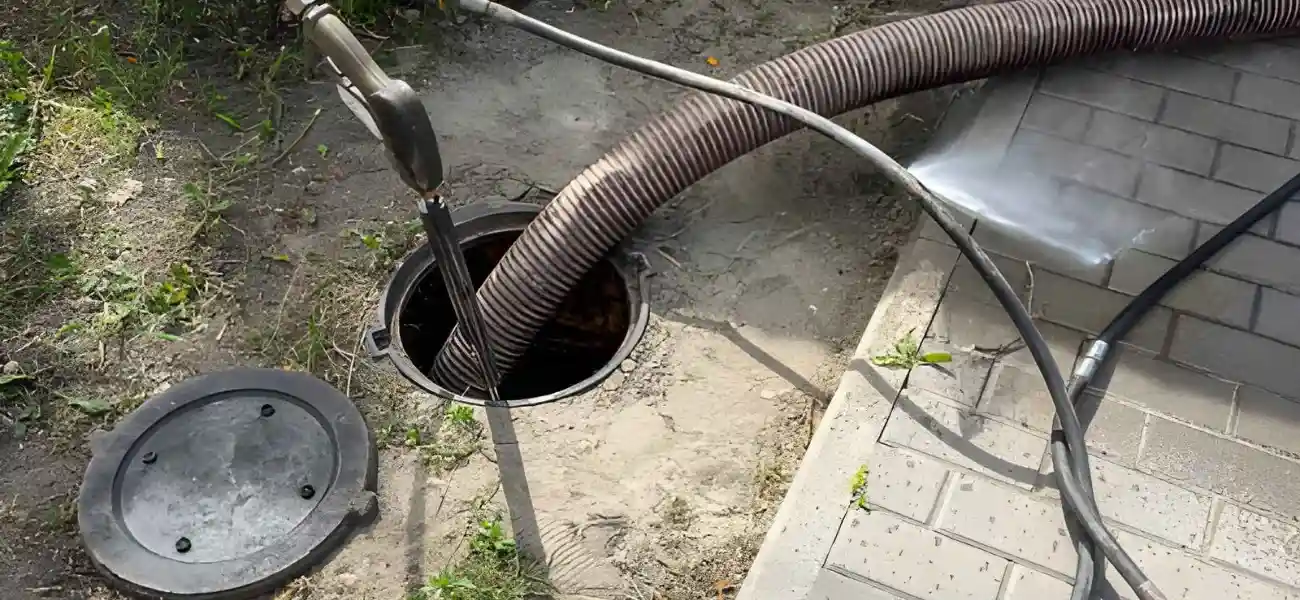
Professional methods reach what home tools cannot. Snaking or augering clears specific blockages, while hydro jetting scours buildup from pipe walls. Rodding and air burst suit particular stubborn clogs, and each technique fits different conditions in the line. Roto-Rooter hydro jetting uses water jets at pressures up to 4,000 PSI. That force removes layers that a snake would only punch a hole through.
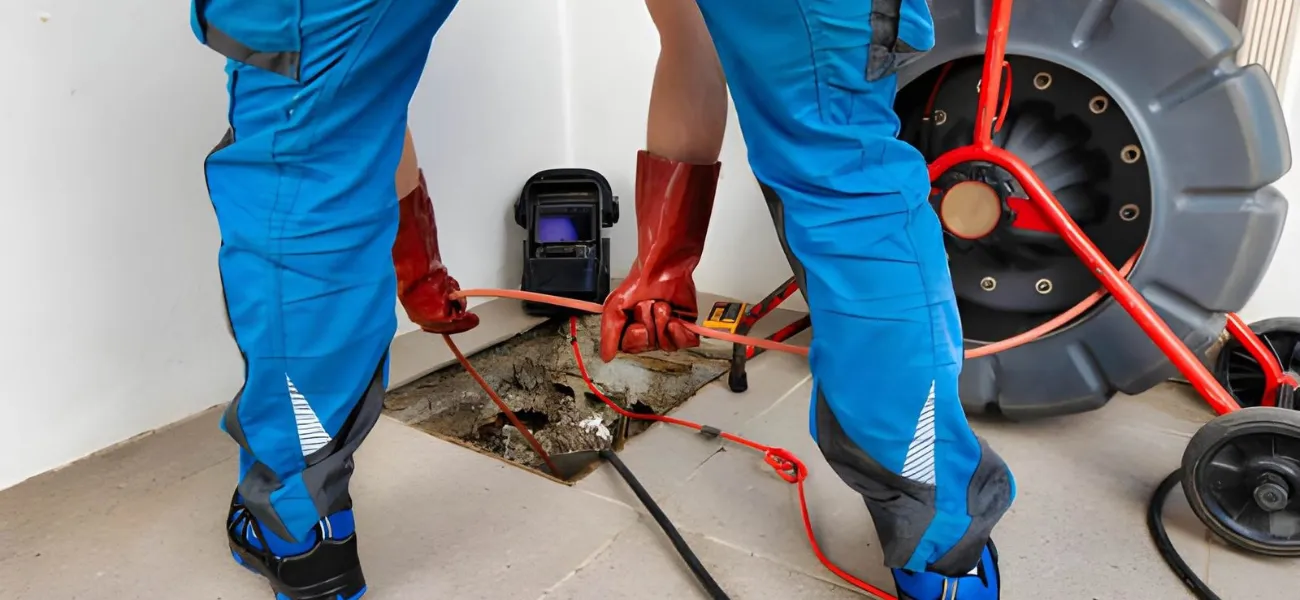
A waterproof camera identifies the location, nature and extent of a blockage before cleaning begins. This inspection shows whether the problem is grease, roots or a damaged section, so the plumber can choose the right tool. It also prevents guesswork, which can otherwise mean repeated clearing of a line that has a structural defect. Camera findings help explain why the same drain keeps clogging.
Hydro jetting suits grease and tree roots, particularly in main lines where buildup is extensive. A snake or auger suits a single localized obstruction, and rodding or air burst handle specific clogs. Because these methods use pressure and specialized equipment, they are best left to trained technicians. Pressure that is too high or misapplied can harm weakened pipes, so assessment comes first.
When Does a Drain Need Cleaning and How Often?
A drain needs cleaning when it drains slowly, smells, gurgles, backs up or attracts drain flies. These are signs of buildup that will keep growing. A typical home benefits from professional drain cleaning about once every 1 to 2 years. Heavy use, older piping and hard water shorten that interval. Kitchen drains usually need attention sooner than bathroom sinks because grease and food residue create thick buildup.
| Drain | Suggested professional cleaning |
|---|---|
| Kitchen | About every 12 months |
| Bathroom | 6 to 12 months |
| Main line | 18 to 24 months; yearly if older |
Light weekly and monthly habits fill the gap between visits. Flush with hot water weekly and use baking soda and vinegar monthly. Bathroom sinks and showers can tolerate longer intervals under light use, but hair and soap still accumulate. Main sewer lines are often cleaned about every 18 to 24 months, or yearly with older pipes or mature trees nearby. Persistent clogs or backups in several fixtures call for earlier professional attention.
When Should You Call a Plumber Instead?
Call a plumber when several drains are slow or gurgling together, since that usually points to the main sewer line rather than one fixture. A blocked vent or a broken trap can also cause these symptoms, and neither can be cleared from the sink. Sewage backing up, sewage smells and clogs that return soon after clearing are further signs. Failed DIY attempts also mean the blockage is likely beyond reach.
Avoid adding more chemicals while waiting. Repeated chemical use can be hard on pipes and may not solve the real issue. Standing chemical-laden water is also a hazard for the person who comes to fix it. A plumber can use a camera to diagnose the cause before major work begins. That inspection shows whether cleaning is enough or whether a repair is needed.
How Can You Prevent Clogs and Keep Drains Clear?
Prevent clogs by catching debris before it enters the pipe, keeping grease out and flushing drains regularly. Drain screens catch hair and food particles in sinks and tubs, while hair traps in showers and bathroom sinks capture loose hair. Empty them often so they do not become the blockage themselves. Small habits like this prevent most of the buildup that eventually needs cleaning.
Handle grease carefully. Collect it in a container and throw it away rather than pouring it down the drain, then run hot water after washing dishes. Fat cools and hardens inside the pipe, trapping food particles and building the thick layers kitchen drains are known for. A kettle of boiling water down each drain once a week keeps grease and soap from setting up. Use caution on PVC, where very hot water can warp the pipe.
- Use drain screens and hair traps.
- Collect grease in a container.
- Flush weekly with hot water.
- Do monthly maintenance.
Keep a simple routine and avoid sending the wrong things down. Do a weekly flush and monthly maintenance with baking soda, vinegar or enzymes. Avoid flushing non-toilet items, and keep lint and debris out of laundry and floor drains. Wipe pans and plates before washing so scraps go in the trash. These steps cost little and keep drains flowing between professional cleanings.
Frequently Asked Questions
Here are the questions homeowners most often ask about drain cleaning, along with direct answers.
How often should drains be professionally cleaned?
There’s no universal schedule, since it depends on usage, pipe age, and whether you’ve had recurring clogs. Homes with older pipes, heavy kitchen use, or a history of tree root intrusion may benefit from periodic professional cleaning, while others may go years without needing it. A plumber can recommend an interval based on your home’s specific history.
What’s the difference between drain snaking and hydro jetting?
Drain snaking uses a cable to break apart or hook a clog and is effective for most standard blockages. Hydro jetting uses high-pressure water to scour the entire interior of the pipe and is generally used for heavier buildup, grease, or tree root intrusion that snaking alone wouldn’t fully clear.
Is professional drain cleaning worth it compared to DIY?
For a minor, accessible clog, DIY methods are often sufficient and less expensive. Professional service becomes worthwhile once a clog resists basic methods, keeps returning, or affects multiple drains, since a plumber can diagnose the actual cause and use equipment that reaches further into the system than typical homeowner tools.
Does drain cleaning damage pipes?
Professional methods, when matched correctly to the pipe material and clog type, are generally safe. Risk increases with repeated use of chemical drain cleaners on older or already-weakened pipes, or with aggressive DIY tool use on pipe conditions the user can’t fully assess, which is part of why professional diagnosis matters for a stubborn clog.
Why does my plumber recommend a camera inspection before cleaning?
A camera inspection confirms the exact cause and location of a clog before your plumber chooses a method, which helps avoid unnecessary work and identifies underlying issues, like a collapsed pipe section or root intrusion, that a cleaning alone wouldn’t fix. It’s especially common for recurring clogs or main line issues.
How long does a professional drain cleaning service take?
A standard single-fixture clog is often resolved in under an hour. Main sewer line cleaning, especially if it includes a camera inspection or hydro jetting, typically takes longer due to the added diagnostic and equipment setup involved.
Need help with drains?
Explore the relevant services available from Anaheim Plumbing.