Snaking opens a path through a single clog, while hydro jetting scours the pipe walls with high-pressure water. Both methods clear blocked drains and sewer lines, but they are not interchangeable. One breaks through or retrieves an obstruction; the other restores the interior of the pipe by flushing away the buildup that lines it. Neither method is universally better. The right choice depends on the clog type, how often it returns, the pipe’s material and age, and whether the problem sits in one fixture drain or in the main sewer line.
A fast snake visit suits a recent, isolated blockage, while recurring or whole-house problems point toward buildup that needs cleaning along the walls. Pipe condition matters just as much, because strong water pressure is a poor match for cracked, corroded or fragile lines. That is why a camera inspection often settles the question, showing what is actually inside the pipe before anyone commits to a method.
What Is Drain Snaking and How Does It Work?
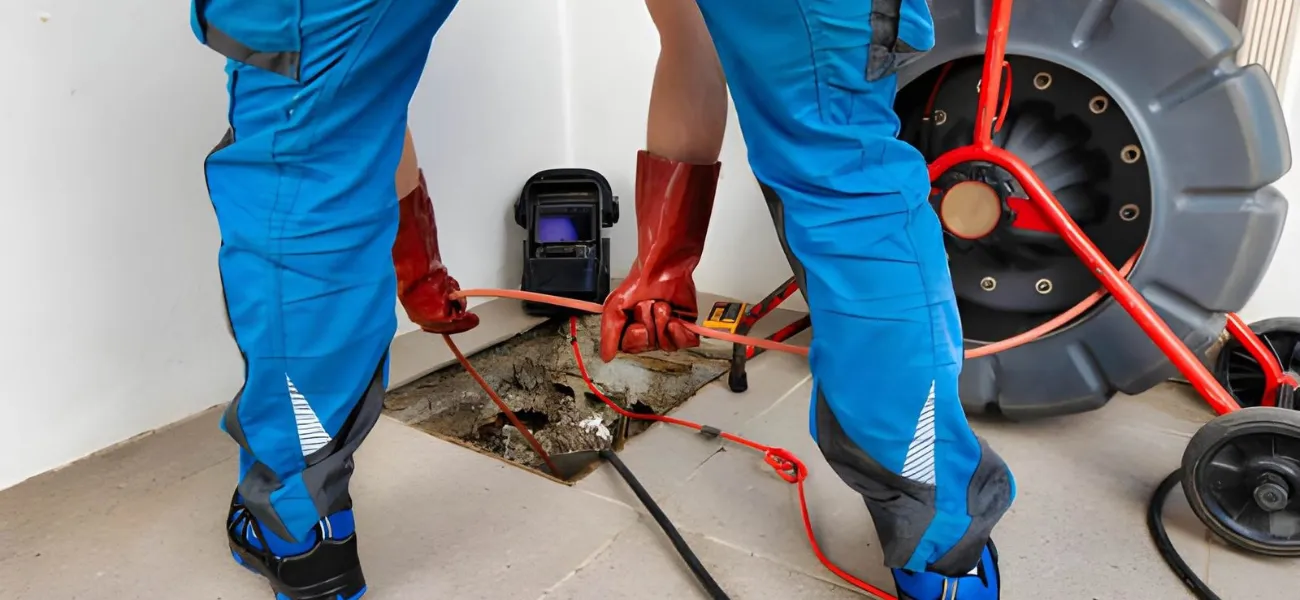
Drain snaking uses a rotating steel cable, called a snake or auger, to break through or grab a clog. The tip of the cable is fed into the drain and turned until it either chews through the blockage or hooks onto it so it can be pulled out. Plumbers also call the process cabling or augering, and it is the classic response to a slow sink, a stubborn tub drain or a toilet that will not clear. It works best on compact obstructions such as hair, paper or small debris sitting near the fixture.
Snaking machines come in two broad forms. Hand-crank augers suit sinks and tubs, where the cable is short and a person supplies the torque. Motorized machines spin longer, heavier cable and handle deeper runs. In either case, the cable size should match the line size, since a thin cable can wander or bend inside a large pipe without cutting effectively, while an oversized one may not fit around bends. Matching the equipment to the line is a large part of what separates a clean job from a frustrating one.
The main limitation is what the snake leaves behind. It usually bores a channel through the blockage rather than removing all of it, so traces of the clog remain stuck to the pipe walls. That residue can attract new debris and speed re-clogging. A cable can also push some obstructions farther down the line or snag on them instead of clearing them. Snaking restores flow quickly, but it treats the symptom more than the buildup around it.
What Is Hydro Jetting and How Does It Work?
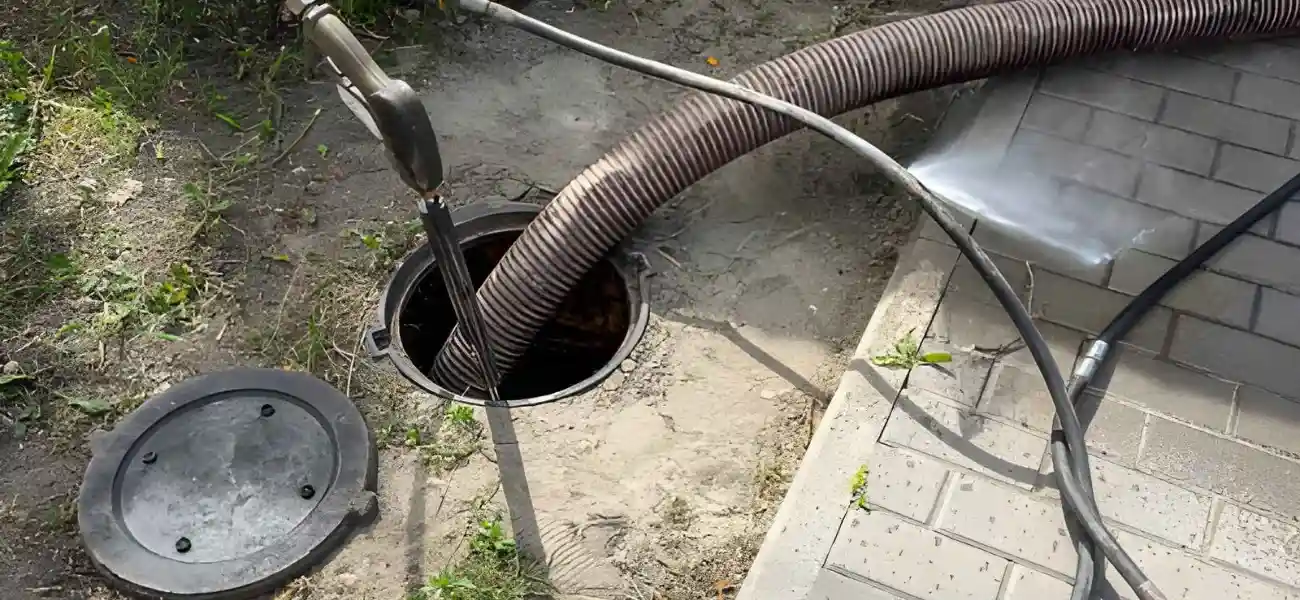
Hydro jetting cleans a pipe by pushing pressurized water through a specialized hose fitted with a multi-directional nozzle. Forward-facing jets cut into the blockage, while backward-facing jets scour the pipe walls as the hose is pulled back. Professional units commonly work at 1,500 to 4,000 PSI, which lets the water emulsify and flush away buildup around the full inside of the pipe instead of drilling a narrow channel, returning the line much closer to its original diameter. The equipment needs an access point, such as a cleanout, and a trained operator.
Jetting removes grease, mineral scale, sludge, soap scum, slime, sand, sediment and roots, including the sticky biofilm layer that snaking leaves behind. That makes it effective for recurring clogs, kitchen grease and main sewer lines. It is a cleaning method, not a structural repair, so it cannot fix cracks or collapsed sections, and high pressure can harm brittle or corroded pipe. Consumer products are far weaker than professional rigs, which is why the jetting described here is normally a job for a licensed plumber.
Hydro Jetting vs. Snaking: Side-by-Side Comparison
Snaking clears a path through a clog, while jetting restores the pipe wall. The table compares the two methods on the criteria that matter most when choosing, from the kinds of blockages handled to the balance between upfront cost and the cost of repeat visits. Use it as a quick reference, then apply your own situation: where the clog is, how often it returns and what shape the pipe is in. Details on each row appear in the sections that follow.
| Criteria | Snaking | Hydro Jetting |
|---|---|---|
| Cleans pipe walls | No, clears a path | Yes |
| Relief | Weeks to months | Typically 2-3 years |
Snaking fixes the symptom quickly and cheaply. For a simple clog it may cost only a modest service fee, and the water usually runs again within minutes. Jetting costs more at the outset, typically several hundred dollars, but it addresses the buildup along the wall that causes clogs to return. That difference in what each method actually removes explains most of the gap in how long relief lasts. Pipe suitability also differs, since jetting needs sound pipe while snaking is gentler on fragile lines.
The comparison does not crown a universal winner. Snaking suits a one-off blockage near a fixture, and jetting suits layered buildup in a line. The cost row deserves care because a low price per visit can become the more expensive path if the same drain keeps clogging. Conversely, paying for jetting makes little sense when a plain snake would have solved a single, recent clog. Pairing the table with your clog history gives the clearest answer.
Is Hydro Jetting Better Than Snaking?
Jetting is better for buildup, grease, recurring clogs and sewer lines, but it is not better in every case. Because it scrubs the whole pipe wall, it removes the material that causes blockages to return, which snaking leaves behind. For restaurants, kitchens and main lines with light root intrusion, it is often the more effective tool, and the longer gap between problems can offset its higher price. The answer depends on pipe condition and what the cleaning needs to accomplish.
Snaking wins when the problem is one fixture blocked by hair or debris. It is faster and more cost-effective there, and it is gentler on fragile or older pipes where high pressure carries risk. The common misconception is that stronger cleaning is always the smarter choice. A powerful method applied to a simple clog adds cost without adding benefit, and applied to weak pipe it can cause harm. Each method is the right tool for some situations and the wrong one for others.
When Snaking Is the Right Choice
Snaking is the right choice for a single-fixture clog, such as hair and soap scum in a bathroom sink or a first-time blockage near a drain. It is also the smart first step for a single, recent clog, and a practical emergency fix when water is backing up and you need flow restored quickly. For a one-off problem, it is the most cost-effective option, and it avoids the cost and complexity of heavier equipment that the situation does not call for. The conditions below show where it fits best.
- Single fixture clogs
- Hair or soap scum
- First-time blockages
- Fragile or very old pipes
Older, cracked or very fragile pipes are another good match, since a snake is a gentler approach where high pressure would be a risk. Even then, technique matters, because careless cabling can scratch pipe coatings or damage joints. Cable size and a steady hand help protect the line. A plumber who is unsure about the pipe can pair snaking with a camera inspection rather than escalating to pressure cleaning. Snaking suits these cases because it clears the obstruction without stressing the pipe itself.
Watch for signs that snaking is not enough. If the clog returns, the cable is probably only opening a channel through residue that remains on the walls. Snaking the same line more than twice a year no longer solves the problem, and slowdowns in multiple fixtures suggest a deeper issue. At that point, repeating the same fix wastes money and delays a real solution. Recurring trouble is the cue to consider jetting or a camera inspection.
When Hydro Jetting Is the Right Choice
Hydro jetting is the right choice when buildup, not a single object, is the problem. Recurring clogs in one line, heavy kitchen grease, light root intrusion in main sewers, general main sewer cleaning, preparation before pipe lining and preventive upkeep all fit. Restaurants and busy kitchens benefit in particular, because grease coats pipe walls and snaking tends to open only a narrow channel through it. Jetting strips that coating so water can again use the full pipe diameter.
- Recurring clogs in one line
- Kitchen grease buildup
- Light roots in main sewers
- Prep before pipe lining
For prevention, sewer line jetting every 2-5 years is a common maintenance interval. Warning signs often appear across the house instead of at one drain. Gurgling in several fixtures, sewer odors and slow drains together suggest a coating inside the line rather than a localized clog, and that pattern points to jetting. Because pipe condition still determines whether pressure is safe, a camera check often precedes the job. Jetting works best on lines that are structurally sound but dirty.
Compared with snaking, jetting is a larger investment, so use it where the benefit is clear. Typical cases are lines that keep clogging after repeated cabling, grease-heavy drains and mature sewer laterals that have accumulated scale and roots over time. If your clog is a simple, isolated one, the extra expense usually adds little. Match the method to the cause rather than to the severity of the symptom.
Does Hydro Jetting Remove Tree Roots Permanently?
Jetting does not remove tree roots permanently. It cuts roots and flushes them out of the line, but they regrow if the entry points remain, such as cracked pipe or loose joints. Roots seek moisture, so any gap in the pipe keeps inviting them back. The method still helps, because it also scours the walls, which slows regrowth compared with other approaches. Think of it as a thorough clearing, not a cure for the underlying opening.
Snaking handles roots less thoroughly. A cable can break a path through them, but it leaves root fragments in the pipe, and those fragments regrow quickly, often bringing the blockage back sooner than a jetted line would suffer. Jetting blasts roots out and cleans the walls, giving a longer clear period. For recurring root trouble, that difference can decide which service is better value.
A camera inspection locates the cracks or joints where roots enter, which tells you whether cleaning alone will hold. If the footage shows a defect, repair may be the lasting answer. If the pipe is otherwise sound, periodic cleaning on a schedule can keep roots in check without major work. Either way, knowing the entry point turns guesswork into a plan.
How Long Does Hydro Jetting Last Compared to Snaking?
Jetting relief typically lasts longer because the pipe walls are cleaned. Professional hydro jetting typically keeps residential pipes clear for 2-3 years, while snaking lasts weeks to months when buildup remains on the walls. A snake may reopen only a channel, so the leftover residue gives new debris something to cling to and the clog tends to return. The gap reflects what each method removes, not just how hard it works.
Treat those durations as typical ranges, not promises. Actual results depend on the cause of the clog, household usage habits and pipe condition. Grease poured down a kitchen drain, for example, can shorten relief from any method, and a rough or damaged pipe collects debris faster. Ask a plumber for an estimate based on your own line instead of relying on a fixed figure. A camera view of the pipe makes that estimate more realistic.
Can Hydro Jetting Damage Pipes?
Hydro jetting can damage pipes, but the risk arises mainly with severely corroded, cracked, deteriorated or fragile lines, or when pressure and technique are wrong. Water that is too forceful can destroy weakened pipe, and sound pipe can be harmed by a poorly controlled nozzle. In a healthy line, a trained operator who sets pressure appropriately typically avoids trouble. Cast iron, clay and older lines call for inspection first, whereas PVC is generally more tolerant.
Orangeburg, a fiber-based pipe common in homes built from the 1940s to the 1970s, is the most vulnerable and can soften or delaminate under pressure. Clay has short joints that shift, so water can chip the bell joints or widen cracks caused by roots or soil movement. Severely corroded cast iron and galvanized steel are also at risk, because internal scale can hide thin walls. Jetting strips that scale and can expose pinholes.
Snaking carries its own risks. A snake tip can scratch the pipe and damage its coating, and improper cabling can damage joints. It can also push a clog deeper or make the blockage worse by packing it into a tighter spot. No method is risk-free when the pipe is weak or the operator is inexperienced. The safer approach is to learn the pipe’s condition first and choose the gentlest method that will work.
How Pipe Material and Age Affect the Choice
Pipe material and age determine how much pressure a line can take. Cast iron in good structural condition handles jetting safely and benefits from it, clay with badly offset joints may not suit full pressure, and PVC typically responds well to a controlled jet. The table summarizes these patterns for the materials most often found in residential drain and sewer lines. Condition within each material matters as much as the material itself.
| Pipe | Jetting outlook |
|---|---|
| Cast iron, sound | Safe, beneficial |
| Clay, offset joints | May not suit full pressure |
| PVC | Responds well to controlled jet |
Cast iron often carries heavy internal scale, which jetting removes to restore flow. If the pipe is in sound shape, that cleaning is a clear benefit. If corrosion has thinned the walls, however, full pressure may be more than the pipe can bear, and a lower setting or a different method may be wiser. Scale can mask how thin the metal has become, so the camera matters here. Galvanized steel with internal rust deserves the same caution.
Clay lines are common in older neighborhoods and are often invaded by roots. When joints are significantly offset or separated, full jetting pressure may not be suitable, since water can chip joints and widen the gaps roots already use. Orangeburg is more fragile still and generally calls for gentler handling. In these older lines, inspect first and let the footage decide how aggressive the cleaning can be.
PVC drains, typical of newer neighborhoods, usually respond very well to a controlled jet and tolerate the full residential pressure range when intact. Even so, collapsed sections, significant offsets or loose joints can make any material vulnerable, because pressure exploits those defects. Extremely old or cold plastic can also turn brittle. Age and condition, not the material label alone, should drive the decision.
Why a Camera Inspection Often Comes First
A camera inspection often comes first because it shows what is actually in the pipe. The footage identifies the cause and location of the blockage, the condition of the pipe, and problems such as roots, bellies and breaks. It is essential before high-pressure cleaning when pipe condition is uncertain, since it confirms the blockage type and the safest cleaning method. The camera can reveal which method the pipe needs instead of leaving that to guesswork.
Before agreeing to jetting, ask what the footage should show: that the pipe is intact, that joints are aligned and that the walls can handle the planned pressure. If the camera finds cracks or a collapsed section, jetting may not help, and repair or pipe lining could be the better route. The footage also gives you a record to review before approving a larger expense. Follow these steps to make the inspection useful.
- Run the camera through the line.
- Identify the blockage and its location.
- Check pipe condition.
- Choose the method.
The camera also helps separate a drain issue from a main sewer line issue. Several slow fixtures, backups at the lowest drains and gurgling toilets suggest lateral buildup affecting the whole house, not one fixture. A single slow sink usually points to a local clog. Knowing which situation you face determines whether a quick snake or a full line cleaning is appropriate. Inspection turns those clues into a confirmed diagnosis.
Is Hydro Jetting Worth the Cost?
Hydro jetting is worth the cost when clogs keep returning, and usually not when you have a simple one-time clog. Jetting typically runs about $350-$900, varying with clog severity, pipe length, accessibility and camera findings. Another provider, Bison Plumbing, lists residential hydro jetting at $1,150 with a camera inspection at $135-$165. Prices depend on the quote’s scope, so ask what is included before comparing offers. Treat any single figure as a starting point rather than a promise.
The value question is really about recurrence. Snaking the same drain three to four times a year at $150-$250 each totals $450-$1,000 annually, and that spending buys only temporary relief when residue remains on the walls. One thorough jetting that keeps the line clear for 2-3 years can cost less over time. Frequency is the deciding factor, since each repeat visit adds to the total. Grease, roots and main line buildup make that math favor jetting most often.
Jetting is not worth paying for when a blockage is simple and isolated. A single recent hair clog near a fixture responds well to a snake, and spending more would add little benefit. In fragile pipes, jetting can also create costs that outweigh any gain. If you are unsure, a camera inspection costs far less than a wrong decision. Ask the plumber to explain why the higher-priced method fits your line.
Can You Do Hydro Jetting or Snaking Yourself?
You can snake a minor clog yourself, but professional-grade hydro jetting is a job for a licensed plumber. Hardware-store hand augers cost $20-$60 and can clear minor clogs near the drain opening of a sink or tub. Work gently, stop if the cable binds and avoid forcing it, because pushing too hard can scratch the pipe or drive the clog deeper. Their reach and torque are limited, so they suit surface-level problems.
Consumer snakes lack the length, torque and cutting power for deeper obstructions, so they often fail on mainline trouble. Jetting is riskier to attempt at home. Water at 1,500-4,000 PSI can cause injury, damage joints or cause blowback, and consumer tools differ greatly from professional equipment with proper pressure control and nozzles. The wrong nozzle or setting in an unknown pipe can make a bad situation worse.
Call a licensed plumber for blockages that affect several fixtures, for repeat clogs or whenever the pipe’s condition is uncertain. Chemical drain cleaners are a tempting alternative, but they do not scour walls like jetting and can leave you with a standing blockage. A snake gives a more direct mechanical fix for a small clog. If a hand auger fails once, escalating to a professional is usually cheaper than repeated attempts.
How to Choose: A Quick Decision Guide
Choose by asking four questions: Is this the first clog or a recurring one? Is the cause known? What are the pipe’s age and material? Does the problem affect one fixture or many? For an isolated clog, snake it. For recurring buildup, jet it. When pipe condition is unknown, inspect first. Recurring clogs after snaking signal residue on the walls, making jetting the logical next step. The steps below put these questions in order.
- Is the clog new or recurring?
- One fixture or many?
- Pipe age and material?
- Snake, jet or inspect first.
The camera shows which method the pipe needs, so it settles uncertain cases. If it reveals a sound pipe coated with grease, scale or roots, jetting is a good fit. If it reveals a single obstruction in an otherwise healthy line, a snake is enough. Fragile pipe may call for the gentler method, or for repair before any cleaning. Letting the footage drive the decision protects both the pipe and your budget.
If neither method works, the problem may be structural. Cracks or collapsed sections may need sewer line repair or pipe lining, since cleaning cannot rebuild a damaged pipe. Request a camera inspection, evaluate repair options and consider replacement when the pipe is badly deteriorated. A cleaning that keeps failing is a diagnostic clue, not just bad luck. Addressing the structure is what finally ends the cycle of repeated service calls.
Frequently Asked Questions
Can snaking damage my pipes?
Used correctly, snaking is a low-risk method for clearing clogs. Forcing the cable, using the wrong type of snake for a toilet, or working on a fragile or already-cracked pipe can cause damage, which is one reason many homeowners hire a licensed plumber instead of renting equipment themselves.
Does hydro jetting remove tree roots?
Hydro jetting can cut through and clear root intrusion from inside the pipe, and the pressurized water is often effective at breaking apart root masses. It doesn’t remove the roots growing in the surrounding soil, so roots can return unless the entry point, such as a cracked joint, is repaired.
Is hydro jetting bad for the environment?
Hydro jetting uses only water to clear and clean the pipe, without chemical drain cleaners. That makes it a lower-chemical option compared to some over-the-counter clog removers, though wastewater and dislodged debris still need to be managed and disposed of properly during the service.
Why did my drain clog again after snaking?
A repeat clog after snaking usually means the cable opened a channel through the blockage without removing the buildup coating the rest of the pipe. That leftover residue can catch new debris and narrow the line again, which is the pattern that often points to hydro jetting instead.
How often should hydro jetting be done?
There’s no single schedule that fits every home; it depends on pipe age, household habits, and whether the property has commercial-level grease output. Homes with a history of grease buildup or root intrusion sometimes schedule jetting every couple of years as preventive maintenance, while others only need it once a real problem shows up.
Can I snake or jet a drain myself?
A basic clog close to a sink or tub drain can sometimes be cleared with a store-bought manual snake. Hydro jetting equipment operates at pressures capable of causing injury or pipe damage in untrained hands, and it isn’t something homeowners should attempt without professional training and equipment.
Which method is better for a main sewer line?
For a main line, the right method depends on what’s causing the blockage. Snaking can clear a simple obstruction quickly, but hydro jetting is generally the more complete option for grease, scale, or root-related backups because it cleans the full pipe diameter rather than just opening a channel through it.
Need help with drains?
Explore the relevant services available from Anaheim Plumbing.