Drain snaking is the mechanical clearing of a blockage with a flexible, coiled cable that either breaks the clog apart or hooks it and pulls it out. Unlike a chemical cleaner, which tries to dissolve material, a snake physically engages the obstruction, so it can restore flow in sinks, tubs, showers, toilets and drain lines. The tool is also called a drain snake, plumber’s snake or auger, and it works best on blockages the cable can actually reach. That reach is the main limit of the method, which is why the technique suits everyday clogs far better than deep or structural pipe problems.
Snaking sits between simpler and heavier options for clearing a drain, and the right choice depends on what is blocking the pipe and where it sits. A plunger relies on pressure, a chemical cleaner relies on reaction, and hydro jetting relies on high-pressure water delivered by specialized equipment. A snake is the hands-on middle path for hair, soap scum, grease, food waste and small objects lodged near a fixture. Knowing its strengths and its boundaries helps you decide when to grab a cable and when to bring in a professional.
What Is Drain Snaking and How Does It Work?
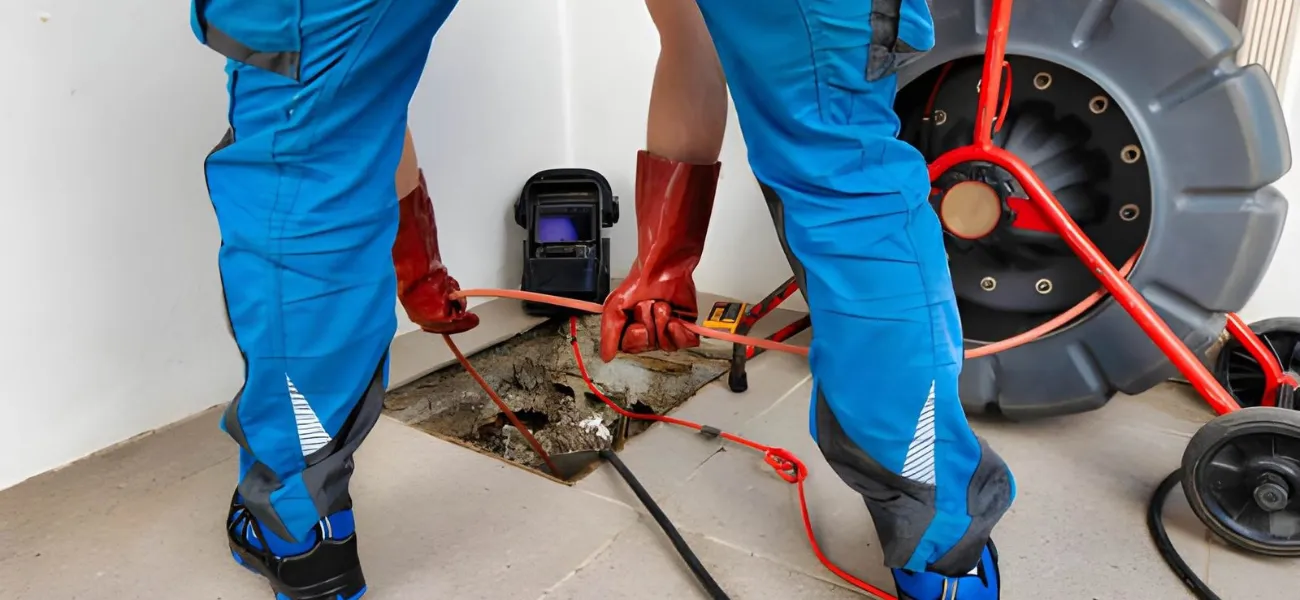
Drain snaking clears a clog by feeding a flexible steel cable into the pipe and rotating it so the spiral end breaks up or retrieves the blockage. The cable carries a metal coil at one end, often shaped like a corkscrew, which is why the tool is also called an auger. Manual versions are stored in a drum with a hand crank, while powered versions use a motor to spin the cable faster and with more torque. Either way, the design lets the cable bend through curves such as the P-trap without kinking.
In use, you push the cable forward until it meets resistance, which signals the clog’s location, and then turn the handle or start the motor. The spiral head bores into soft material such as hair and soap scum, or it latches onto solid debris so the clog can be drawn out as you retract the cable. Either result opens a channel for water to pass, and sometimes the whole obstruction comes out on the coil. Pulling back slowly matters, because a rushed retraction can drop the debris back into the pipe.
Snaking opens the pipe, but it does not always leave the pipe clean, so the same clog can return. An auger narrower than the pipe can pass through the middle of a blockage and leave deposits clinging around the pipe walls. Those leftovers gradually narrow the passage and catch new debris, which explains why some drains slow down again within weeks. Matching the cable to the pipe size and following up with preventive habits reduces that residue problem.
What Types of Clogs Can Drain Snaking Remove?
Drain snaking removes compact clogs such as hair, soap scum, grease buildup, food waste, general debris and small foreign objects that sit within the cable’s reach. These respond well because they usually collect near the drain opening or in the trap, where the spiral head can engage them directly. Typical examples include hair in a shower drain, paper in a toilet line and food debris in a kitchen sink. In each case the obstruction is localized, so breaking it up or pulling it out restores normal flow.
- Good targets: hair, soap scum, grease, food waste, small objects
- Poor targets: heavy scale, collapsed pipe, major roots
Snaking is a poor match for heavy scale, collapsed or offset pipe, and significant tree-root blockages in deep sewer lines. A cable cannot repair or bypass structural damage such as a collapsed pipe, and forcing it only risks jamming or harming the line. Minor roots may be disturbed by a snake, but significant root growth needs specialist cutting or hydro jetting. If a cable keeps stopping at the same spot or the clog returns quickly, the cause is probably beyond what snaking can fix.
When Is Drain Snaking the Best Solution?
Drain snaking is the best solution when one drain is slow or completely stopped while the other fixtures in the home run normally. That pattern points to a local blockage, often in the trap or the branch line serving that fixture, which a cable can reach. Common signs include slow draining, gurgling, standing water, a clog that keeps recurring in one spot and a minor backup. Kitchen and bathroom sinks, showers, tubs and a single toilet are all typical candidates for this approach.
Plunging is a sensible first step for a simple blockage, since it needs no special tool and may dislodge a soft clog with pressure. If the plunger fails, or the water drains slowly again soon after, the obstruction is likely farther in or denser and a snake is the next move. Snaking also helps when the clog is something a plunger cannot push through, such as a wad of hair or a lodged object. The tool gives you a way to grip or break up the blockage rather than simply pressuring it.
Several drains running slowly at once points to a broader problem, so snaking a single fixture is unlikely to solve it. When multiple fixtures are affected, the blockage usually lies in a shared line or the main sewer line, farther than a household cable reaches. Other warning signs include sewer smells or water surfacing in the lowest drains of the house. In those situations, a professional with longer equipment and a camera can locate the true cause before any cutting or clearing begins.
Which Drains Are Safe to Snake?
Sink, tub, shower, toilet and main line drains can all be snaked, provided you use the right tool for each fixture and the pipes are sound. Sinks, tubs and showers suit a standard flexible drain snake, while toilets need a toilet auger and main lines need longer professional-grade equipment. Tool size and type differ for every fixture, so a snake that works in a shower drain is not the one to use in a toilet. Using the wrong tool is the quickest way to scratch a fixture or jam a cable.
A toilet auger, also called a closet auger, is a shorter, more rigid tool with a protective plastic sleeve built for toilets. The sleeve keeps the metal from contacting the bowl, so it clears blockages in the toilet’s pipe without damaging the porcelain. A standard drain snake has an exposed metal coil and is longer and more flexible, which makes it appropriate for narrow sink, tub and shower lines. Keep each tool for its intended fixture and you avoid most surface damage.
Snakes should not be used on cracked or severely damaged pipes, because the rotating cable can catch on broken edges and make the damage worse. Take extra care with fragile or old pipes, where improper handling can scratch or harm the interior. Fixtures with traps also call for patience, since the bend can restrict the cable and tempt you to push too hard. If you suspect cracks or collapse, a camera inspection by a plumber is safer than continued attempts with a cable.
Types of Drain Snakes and Which to Choose
Homeowners can choose among four main snake types: manual or handheld, toilet closet augers, flat tape snakes and power snakes. The choice depends on drain type, cable length and reach, clog location and severity, how much control you want and the operator’s skill. For most household clogs, a manual hand-crank drum auger, typically about 25 feet long, is the practical pick because it is affordable and lightweight. It also gives tactile feedback that helps you work through bends without forcing the cable.
| Type | Best for |
|---|---|
| Manual drum auger | Sinks, tubs, showers |
| Toilet auger | Toilets only |
| Flat tape snake | Small pipes |
| Power snake | Deep, larger clogs |
Powered snakes are motorized, better suited to larger or deeper clogs, and generally needed only for recurring clogs, tough grease or blockages more than 20 feet into the system. They bring more torque and speed, but they take more skill and carry a higher risk of harming older or degraded pipes if misused. Main sewer obstructions such as root intrusion call for professional sectional machines, so a licensed plumber is the better route. Handheld plastic hair wands are a cheap option for shallow bathroom drains, and flat tape augers offer push and control in small pipes.
How to Snake a Drain Step by Step
To snake a drain, prepare the work area, feed the cable in slowly, rotate it at the clog, retrieve the debris and then test the flow with hot water. Start with gloves and eye protection, place a bucket and towel under the work area, and keep a flashlight handy. Pull any visible hair or buildup from the drain opening first, because it can snag the cable as it goes in. These small preparations keep the job cleaner and prevent avoidable jams.
- Gear up and set a bucket and towel.
- Clear visible debris.
- Feed cable slowly.
- Rotate at resistance.
- Retrieve and flush with hot water.
Work through the sequence methodically, since the feel of the cable tells you what is happening inside the pipe. Feed the cable until it meets resistance, turn the handle to engage the clog, and push and pull gently to break it up or hook it. Withdraw the cable slowly, wipe it down and remove the debris it brings out. Finally, run hot water to confirm the drain flows freely, and repeat if it still drains slowly.
Several common mistakes undermine the job, and most come from rushing or using too much force. A cable pushed too hard can scratch the pipe or drive the clog deeper, so use steady pressure and stop at firm resistance. Do not snake right after chemical drain cleaner, because standing chemicals can splash back toward you. Skipping the final flush test is another error, since it is the only way to know the clog is really gone.
How Do You Get a Snake Past the P-Trap?
To get a snake past the P-trap, feed the cable slowly through the trap first, and if resistance stays high, remove the trap and insert the snake into the wall drain. The P-trap is a curved section under sinks and tubs that holds water, and its bend restricts how freely the cable moves. Because clogs often sit in the trap itself, feeding through it is the logical first attempt. Patience and gentle rotation usually help the cable negotiate the curve.
If the cable will not pass, removing the trap gives direct access to the wall drain and often exposes the clog. Place a bucket under the trap to catch water and debris, then loosen the fittings and take the trap off carefully. Insert the snake straight into the wall pipe, work it as you would normally, and clean any debris out of the trap. Wearing gloves is wise, since the trapped material is unpleasant and can splash.
Reassemble the trap carefully and check for leaks once the work is done. Run water and watch the joints, tightening fittings slightly if any drips appear. If the cable sticks or will not advance even with the trap removed, stop rather than forcing it. A stuck cable suggests a deeper problem, and a plumber can retrieve it and diagnose the cause without damaging the pipe.
Can Snaking a Drain Damage Pipes or Make a Clog Worse?
Snaking can damage pipes or worsen a clog if done carelessly, but used correctly it is a low-risk method. The main risks are scratching or harming weak, aging pipes, jamming the cable and pushing or compacting the clog deeper. A cable forced hard against a bend or blockage is the usual cause of these problems. Understanding them lets you avoid most trouble with simple care.
When used correctly, snaking poses minimal risk to PVC, cast iron or clay pipes, and it is generally gentler than other unclogging methods. Because it works mechanically instead of with harsh chemicals, it does not corrode pipe interiors. To reduce harm, match the tool size to the pipe, apply steady pressure and stop when you meet hard resistance. Older plumbing deserves extra caution, since improper handling can scratch or damage it.
Watch for warning signs that the situation has moved beyond a simple snaking job. A cable that gets stuck, water backing up as you work, or repeated failure to clear the drain all suggest a deeper blockage or damaged pipe. Pushing harder at that point raises the chance of compacting the clog or harming the line. Stop, avoid further forcing and call a plumber who can inspect the pipe with a camera.
Drain Snaking vs. Chemical Cleaners and Hydro Jetting
Snaking physically removes or breaks up a clog, while chemical cleaners rely on chemical action and hydro jetting uses high-pressure water for heavy buildup. Chemical cleaners are widely available but can be harsh on pipes and may not fully remove a blockage, leaving it partly in place. They also carry hazards, including risk to any plumber who later works on the standing chemicals. A plunger uses pressure and suits simple, nearby blockages.
| Method | How it works |
|---|---|
| Snaking | Cable breaks up or retrieves clog |
| Chemical cleaner | Chemical action |
| Plunger | Pressure |
| Hydro jetting | High-pressure water |
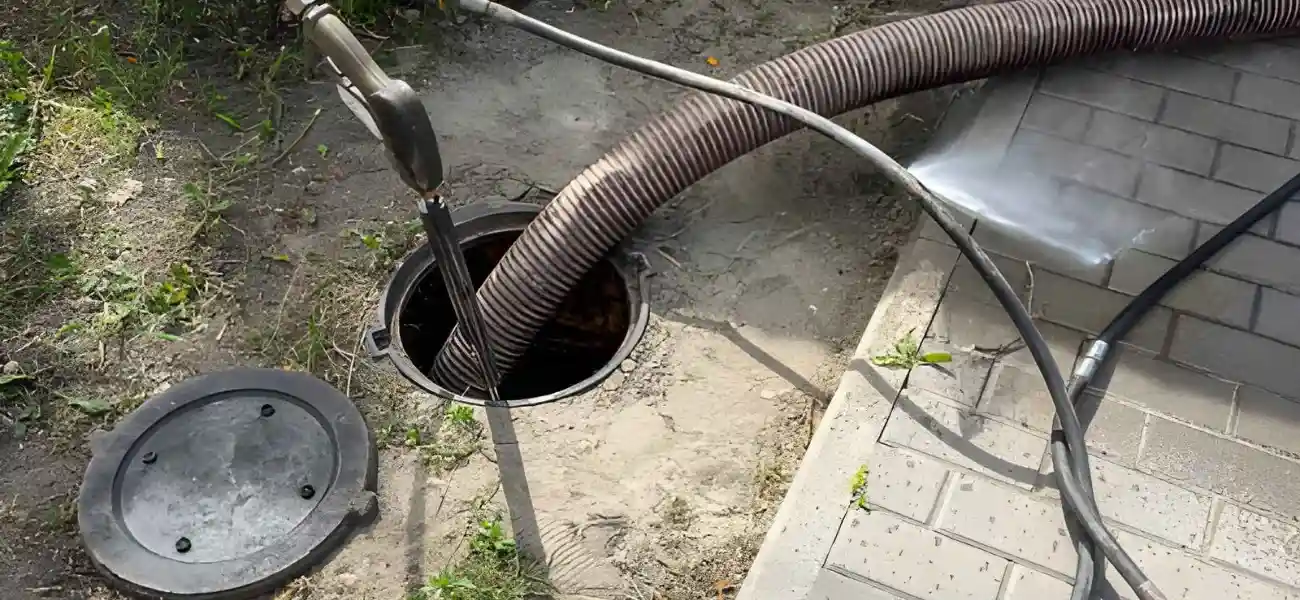
Hydro jetting is typically used for severe cases, including heavy buildup, grease and main lines, and it needs specialized equipment. Snaking is the more accessible choice for localized clogs and avoids chemical exposure. Choose by clog size and location: a plunger or snake for a single fixture, and jetting when buildup coats the pipe or the main line is involved. When the cause is unclear, a plumber’s camera inspection can settle which method fits.
Can You Snake a Drain Yourself or Should You Call a Plumber?
You can snake a drain yourself when a single fixture has a minor clog, the drain is accessible and you have a basic hand tool. Minor sink or bath blockages are often within reach of a domestic hand auger, and the method is simple enough for careful beginners. Follow the safety steps, avoid forcing the cable and stop if it stalls. Toilets need a toilet auger rather than a standard snake.
- DIY: single fixture, minor clog
- Pro: recurring, multiple drains, sewer line
Call a plumber if the clog returns after snaking, if you suspect a sewer line clog, if multiple fixtures are backing up or if the cable stalls. Sewer smells and repeated clogs also point to a cause beyond a simple fixture blockage. Persistent clogs need a qualified drainage professional who can find the underlying problem rather than treating the symptom. Waiting too long on a main line issue can lead to larger backups.
Professionals bring heavy-duty equipment and the ability to diagnose the real cause. A truck-mounted drain auger, for example, uses extremely thick cables up to 100 feet long for severe main sewer clogs. Camera inspection lets them see what is happening inside the pipe instead of guessing. That diagnosis often prevents repeat visits and protects pipes from damage.
What Does Drain Snaking Cost?
Professional drain snaking typically costs between $100 and $500, with a national average around $220 to $243 for standard residential service. Fixture-level snaking of sinks, tubs and toilets generally runs $100 to $275, while main sewer line snaking costs $200 to $500 or more. Another cited source gives a wider range of $100 to $800, which shows how widely prices vary. Local pricing is the best guide, so request a quote for your area.
Drain location and clog severity drive much of the price, since kitchen sinks, at about $100 to $250, are easier to reach than main lines or basement floor drains. Minor blockages near the surface may take only 15 to 30 minutes, while deep clogs or roots can double or triple the base cost. Severe cases may need multiple visits or methods such as hydro jetting. The type of snake also matters, because handheld snakes cost less than power snakes.
Access and timing further affect the bill, with easy-to-reach cleanouts keeping costs lower. Clogs behind walls, under concrete slabs or in tight crawlspaces require more labor and equipment, adding $75 to $200 or more. Emergency or after-hours service can raise costs by 30 to 50 percent, a premium of $50 to $175 for nights, weekends or holidays. If you buy a tool instead, you pay once but take on the work yourself.
How to Prevent Drains From Clogging Again
Prevent repeat clogs by keeping hair, grease, food scraps and non-flushable items out of your drains. Snaking alone will not stop recurrence, because leftover residue and buildup on pipe walls may return and catch new debris. Daily habits matter more than occasional clearing, since most household clogs build slowly from the same few materials. A small change at the source is easier than clearing the pipe each time.
- Use hair catchers
- Keep grease out of sinks
- Scrape food waste
- Flush only flushables
Simple habits cover most of the risk: use hair catchers in showers and tubs, and never pour grease down kitchen sinks. Scrape plates into the trash before washing, and flush only toilet paper and human waste. A periodic hot water flush and occasional cleaning help keep lines clear. Respond to a slow drain early, before a partial blockage becomes a full one.
If the same drain clogs again, a deeper cleaning or a camera look can help find the cause. Recurring blockages sometimes signal damaged pipe, root intrusion or heavy buildup that a basic snake cannot address. Preventive care combined with occasional sewer snaking helps maintain an efficient drainage system. Treating the cause rather than the symptom saves time, money and frustration over the long run.
Frequently Asked Questions
How long does it take to snake a drain?
A single-fixture clog, such as a sink or tub, usually takes a plumber under an hour to clear once they’re on site. A main sewer line clog or one that requires a camera inspection can take longer, especially if the plumber needs to access a cleanout in a hard-to-reach spot.
Is drain snaking bad for pipes?
Used correctly by a trained plumber, snaking is a standard, low-risk method for clearing clogs. Improper use, such as forcing the cable or using the wrong type for a toilet, can scratch fixtures or damage joints, which is one reason many homeowners choose a professional for anything beyond a simple, close-in clog.
Does drain snaking remove tree roots?
A snake can cut through some root intrusion and temporarily restore flow, but it does not remove the roots from the surrounding soil or stop them from growing back. If a camera inspection confirms roots in the line, hydro jetting or a more permanent repair is usually recommended alongside or instead of snaking.
Can snaking fix a clog that keeps coming back?
Snaking clears the immediate blockage, but if buildup lines the inside of the pipe, the same spot can narrow again over time. A drain that clogs repeatedly after snaking is a common reason plumbers recommend hydro jetting or a closer inspection of the pipe’s condition.
What’s the difference between snaking a sink and snaking a toilet?
A sink is typically cleared with a standard cable fed through the drain opening or trap. A toilet requires a closet auger, a shorter tool with a curved sheath built to protect porcelain while navigating the toilet’s internal trap.
Will drain snaking work on a completely blocked drain?
In most cases, yes — snaking is designed to clear both partial and full blockages caused by common debris. If the blockage turns out to be a collapsed pipe or a major root mass rather than ordinary buildup, snaking may only offer temporary relief until the underlying issue is repaired.
How do I know if I need snaking or hydro jetting?
Snaking is usually the right first step for a single slow or blocked fixture with no history of repeat clogs. Hydro jetting is better suited to pipes with heavy buildup, grease coating the interior walls, or drains that clog again soon after being cleared — a plumber can confirm which situation you’re dealing with, often with a camera inspection.
Need help with drains?
Explore the relevant services available from Anaheim Plumbing.