A laundry machine that won’t drain most often has a clogged pump filter, a kinked or blocked drain hose, or a jammed drain pump. The drain pump pulls water out of the drum and pushes it through the drain hose into a laundry tub, a standpipe or the home’s plumbing. A blockage anywhere along that path, or a part that fails to start the pump, leaves water sitting in the drum. Because most cases involve simple clogs, a few basic checks often solve the problem without a repair visit.
The key distinction is between blockages you can clear yourself and failures inside the machine. Hoses, filters and suds are usually within a homeowner’s reach, while a failed pump, broken belt or faulty control board usually needs a professional. The sound the washer makes during the drain cycle gives an early clue: humming points one way, silence another. Knowing the drain path, the first checks and when repair stops making sense saves time, water and money.
How Does a Washing Machine Drain Water?
A washing machine drains by sending water from the tub through the pump filter to the drain pump, then out the hose to a standpipe or household drain. The pump does the real work, forcing water out and upward so it can travel through the hose. If any stage is blocked, bent or unpowered, water has nowhere to go and remains in the drum. That is why the same symptom can come from a coin in the filter or a faulty part.
Several components must cooperate before the pump runs at all. The lid switch or door lock has to register that the washer is closed, and many machines will not complete a drain cycle if it does not. The main control board then runs the drain sequence, telling the pump when to activate and for how long. A faulty board can therefore stop proper draining even when the hose and pump are perfectly healthy.
The plumbing on the outlet side matters too. Each washer has a manufacturer-specified drain height range, and a hose set outside it may drain poorly or allow siphoning. A vent supports air flow in the drain line, and one is needed if local code requires it or the washer sits more than four feet from the vent stack. Without proper air flow, water can drain slowly or back up.
What Should You Check First When the Washer Won’t Drain?
Start with the basics before assuming something inside the washer has failed, and unplug the machine before any check. Work through them in order: the drain hose, the pump filter, suds in the drum, the lid or door lock, and finally the sounds the washer makes. This sequence goes from the quickest and most common fixes to the least likely, so you rarely need to dig deeper. Skipping ahead often wastes effort on parts that are working fine.
- Unplug the washer.
- Check the hose.
- Clean the filter.
- Check suds and lid.
- Listen to the drain cycle.
Begin behind the washer, where the hose should not be kinked or crushed. Check that it is not bent, pinched or pushed too deep into the standpipe, because that can cause siphoning. Next, clean the accessible pump filter and look for excess suds or a lid that is not closing fully. Finally, run a drain cycle and listen, since humming or silence tells you where to look next.
What Does a Humming or Silent Drain Cycle Mean?
A humming drain cycle means the pump motor is getting power but cannot turn, while a silent one points to an electrical problem or a lid switch or door lock that is not registering. Hum usually means a foreign object is jamming the impeller. Silence suggests the pump or control board is not receiving the signal to run. The table below pairs each symptom with its likely cause and next action.
| Symptom | Likely cause | Next action |
|---|---|---|
| Hum | Jammed pump | Clear obstruction |
| Silence | Switch, lock, board | Test lid switch |
Humming without any water movement points to a jammed pump. The pump is trying to work but something, often a coin, sock or other small item, is blocking the impeller. Unplug the washer, drain it, and clear the filter and pump area to find the obstruction. Persistent humming after clearing suggests the pump itself may be damaged.
With silence, no sound may indicate an electrical issue with the pump or control board. Start with the simpler suspect, the lid switch or door lock, and confirm the lid or door closes fully. Testing a switch or board takes a multimeter and some electrical knowledge, so stop there if you are not comfortable. That is the point where a technician becomes the safer option.
What Are the Most Common Causes of a Washing Machine Not Draining?
The most common causes are a clogged pump filter, a kinked or blocked drain hose and a jammed drain pump, followed by a faulty lid or door switch. Other causes include a slow household drain or standpipe, too many suds, a broken drive belt and a failing control board. The first group can usually be checked at home with a bucket, towels and patience. The rest often call for tools, testing or professional repair.
Sorting causes by who can fix them helps you decide what to try first. Hoses, filters, suds and plumbing blockages are generally homeowner-checkable. Damaged pump or drive belt components require professional repair or replacement, and so do most control board faults. The table summarizes where each cause sits.
| Cause | Who fixes it |
|---|---|
| Hose, filter, suds | You |
| Pump, belt, board | Professional |
Kinked, Pinched, or Clogged Drain Hose
A kinked, pinched or clogged drain hose restricts or blocks the flow of water leaving the washer. Lint, small pieces of fabric and debris can build up inside the hose and narrow the passage over time. A bend behind the machine, often from pushing the washer too close to the wall, can have the same effect. Either way, the pump works but water cannot get through.
Inspect the hose for damage as well as blockage. Visible cracks, leaks or collapsed sections mean the hose is failing and should be replaced rather than cleared. A hose that is soft or flattened may restrict flow even when nothing is lodged inside. Look along the whole length, especially where it bends behind the washer.
The standpipe end deserves attention too. A hose pushed too deep into the standpipe can cause siphoning, letting water drain out unevenly or even pull it back in. Leave a little air gap by seating the hose at the proper depth. Confirm the hose is not bent or pinched behind the machine.
Clogged Pump Filter or Coin Trap
A clogged pump filter or coin trap blocks water before it reaches the pump, slowing or stopping drainage. The filter catches lint, coins and small pocket items so they do not damage the pump. When it fills up, drainage slows or stops entirely. That makes it one of the first places to look.
Because it is designed to catch debris, the filter is a routine maintenance point. Coins, keys and small objects are among the most common causes of pump damage, so a working filter protects an expensive part. Cleaning it removes buildup and often restores normal draining immediately. Regular cleaning keeps debris from piling up in the first place.
Location varies, so use the owner’s manual to find the filter on your model. On many machines it sits behind a small panel at the bottom front. Clean the accessible pump filter of lint, coins and debris, having a bucket and towels ready for the water. Later steps cover the process in detail.
Clogged or Slow Household Drain and Standpipe
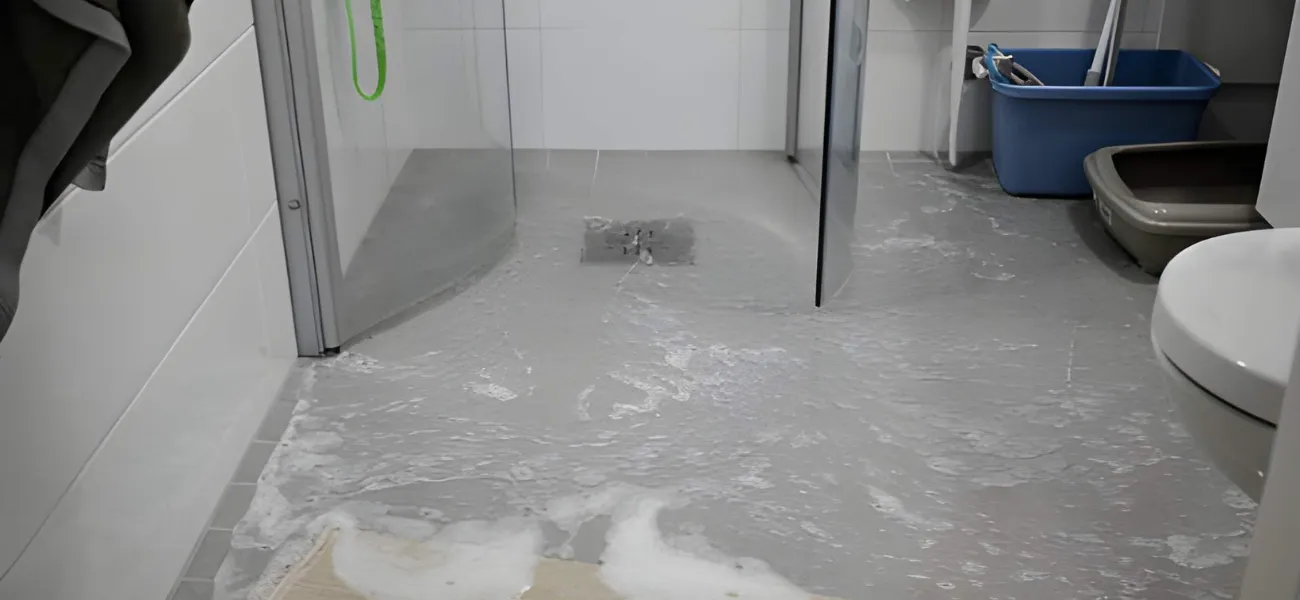
If several drains in the house run slowly, the problem is probably household plumbing rather than the washer. A partial blockage in the standpipe or main drain can back water up and prevent the washer from draining properly. Water that rises in the standpipe during the drain cycle is a strong sign. In that case, cleaning the washer’s parts will not help.
Drain height and venting can also limit outflow. The standpipe must sit within the washer manufacturer’s drain height range, and a vent is needed if local code requires one or the washer is more than four feet from the vent stack. Poor air flow can slow draining even without a true clog. A plumber can clear the line and check the setup.
Too Much Detergent or Fabric Softener Suds
Too much detergent, or the wrong type, creates excessive suds that can interfere with drainage. The suds and residue also build up in hoses and filters, restricting flow. Excessive suds can create a foam lock that restricts drainage, so the pump struggles to move water. Fabric softener overuse can add to the buildup.
Measure detergent to the load size and use high-efficiency detergent in HE machines, in the correct amount. If suds are already the problem, run an extra rinse cycle or remove the suds manually. Give the foam time to settle before trying again. Using less detergent next time prevents a repeat.
Lid Switch, Door Lock, or Control Board Faults
A lid switch, door lock or control board fault can stop the drain cycle even when the drain path is clear. Many machines will not complete a drain cycle if the lid switch or door latch does not register closed. A faulty switch or lock can prevent the cycle from starting, leaving the machine silent. The pump never receives its signal.
Check the simple things first. Make sure the lid or door closes fully and nothing is blocking the latch or tab. If it still does nothing, the switch or lock may need replacing. Replacement is often more manageable than board work.
The control board starts and stops the drain cycle, so a faulty board can stop proper draining. Diagnosing it often requires a multimeter and knowledge of electrical systems. Because of the shock risk and the cost of a wrong guess, this is usually a job for a professional. Rule out blockages before suspecting the board.
Failed Drain Pump or Broken Drive Belt
A failed drain pump or broken drive belt prevents water from being removed even when the hose and filter are clear. The pump motor can fail, or its impeller can jam on a foreign object, and either one stops water removal. If the filter is clear and the hose is fine, the drain pump itself may be failing. Persistent humming after clearing is a typical sign.
A worn or broken belt can interrupt drainage or the spin action. Check the main belt and pump belts behind the access panel. Look for corrosion, breaks or other damage. A belt that looks fine does not always rule out other faults.
Always unplug the machine before opening any panel. Moving parts and electrical connections sit close together, and standing water may remain inside. If you find a damaged belt or a dead pump, stop there rather than forcing a repair. Parts must match the model, which the owner’s manual helps identify.
Failed pumps, broken belts and control boards usually need professional repair. Technicians have the tools, safety training and parts access to replace them correctly. Before paying, compare the repair cost with the machine’s age and value. A later section covers that repair-or-replace decision.
How Do You Fix a Washing Machine That Won’t Drain?
To fix a washer that won’t drain, unplug it, drain the water, clear the filter, check the hose, and only then consider internal parts. Catch the water before opening the filter, since the drum may still hold a lot. Keep a bucket, towels, a shallow pan, a wet vacuum and a screwdriver nearby. The owner’s manual gives model-specific filter and draining steps.
A wet vacuum is preferred because it pulls debris and water out of the line without forcing a clog deeper. Pushing with a tool or running more water can pack a blockage tighter. Work methodically, testing the drain after each step so you know what solved it. The following steps cover each stage.
- Unplug and drain.
- Clean the filter.
- Clear the hose.
- Test internal parts.
How Do You Manually Drain a Washer Full of Water?
To manually drain a washer full of water, unplug it, lower the drain hose into a bucket to siphon the water, and use towels for spills. If the machine has no accessible filter, this is the usual approach. With a bucket and clamps ready, turn off power and remove the drain tube before draining. Empty the bucket as needed and repeat.
- Unplug and drain.
- Clean the filter.
- Clear the hose.
- Test internal parts.
If the machine has an accessible filter, place a shallow pan underneath. Open the filter cap slowly and let the water drain out. Close it, empty the pan, and repeat until the flow stops. Bail or wet-vacuum whatever remains in the drum.
Water is heavy, and a full drum holds a lot of it. Floors may become slippery, so lay towels down and move carefully. Wait before opening the door, and do not force it if water is still inside. Opening it too soon can flood the floor.
Always consult the owner’s manual for model-specific safe manual draining steps. Procedures differ between front-load and top-load washers. Once the drum is empty, you can safely inspect the filter and hose. Keep towels handy through the whole process.
How Do You Clean the Pump Filter Safely?
To clean the pump filter safely, unplug the washer, set a bucket and towels ready, open the access panel and unscrew the filter slowly over a pan. The filter is on the bottom front or back of a front-load machine, or behind a front panel on a top-load machine. Remove lint, coins and debris, then check that the impeller spins freely. Your owner’s manual shows the exact location.
- Unplug and prepare a pan.
- Open the filter slowly.
- Remove debris.
- Check the impeller.
- Reassemble and test.
If the filter is stuck, turn it gently rather than forcing it. Reassemble it firmly so it does not leak, then test the drain. Clearing the filter often restores draining right away. If water still sits in the drum, move on to the hose.
How Do You Clear a Blocked or Kinked Drain Hose?
To clear a blocked or kinked drain hose, unplug the washer, disconnect the hose, check for kinks, and flush it or run water through it. Place a bucket and towels underneath because water will spill out. Remove anything you find, then reconnect the hose. Finally, test the drain.
- Unplug and disconnect.
- Inspect for kinks.
- Flush the hose.
- Reconnect and test.
Look closely at the hose near the pump and along its run. If you cannot see a clog there, it may be stuck where the hose connects to the bottom of the tub. A wet vacuum can pull debris out without pushing it deeper. Flushing with water shows whether flow is restored.
Before reconnecting, confirm the hose is not bent, pinched or pushed too deep into the standpipe. Too deep a connection can cause siphoning. Tighten clamps securely so the hose does not slip or leak. Avoid sharp bends when pushing the washer back.
Then restore power and run a drain or rinse cycle. Watch for leaks at the connections and for water leaving the drum properly. If the hose was cracked or collapsed, replace it rather than reusing it. If draining still fails, the problem lies elsewhere.
What If the Filter and Hose Are Clear?
If the filter and hose are clear, the remaining suspects are the drain pump, lid switch or door lock, belt and control board. Check the pump impeller for jams first, since that is the easiest to confirm. Unplugging and replugging may reset the machine, though that does not work on every model. If nothing changes, the fault is likely internal.
Match the repair to the actual cause. Replacing a pump will not fix a blocked standpipe, and replacing a board will not remove a coin from the drain path. Rule out plumbing and blockages before buying parts. Pump, belt or control board failures often need professional repair.
Does the Brand or Washer Type Change the Fix?
Brand and washer type change where you look and which parts are involved, but the causes are largely shared. Front-load and top-load washers differ mainly in filter location and in whether a lid switch or door lock gates the cycle. Error codes and flashing lights vary by brand. Your owner’s manual explains what yours means.
| Type | Safety device | Filter |
|---|---|---|
| Front load | Door lock | Bottom front or back |
| Top load | Lid switch | Behind front panel |
On front-load washers, failed safety devices can let the washer fill and then stop before draining. Top-loading washers have a plastic tab on the lid that presses a switch when closed. If the tab or switch fails, the machine may not progress to the drain cycle. The table compares the main differences.
Whatever the brand, the process is the same: clear the hose, clean the filter, then investigate internal parts. Follow the model owner’s manual for filter location and draining steps. Models differ in access panels and filter placement. The manual saves time and avoids damage.
When Should You Call a Professional or Replace the Washer?
Call a professional when humming persists after clearing, when electrical faults appear, or when leaks show up. Stop using a machine that cannot drain, and avoid repeated restarts that strain the pump. A technician can handle pumps, belts and boards safely. They also help judge whether repair makes sense.
- Hum persists after clearing
- Electrical faults
- Leaks
- Repair costly versus new
For repair versus replacement, compare age, condition, warranty status, parts availability and other problems when repair costs are high. Manufacturer warranty is typically one year from the date of purchase, so contact the manufacturer for coverage if it applies. Many home warranty plans cover drain pump failures from normal wear and tear, which may help older units. A comparable new washer sets the benchmark.
How Can You Prevent Drainage Problems?
Prevent drainage problems by using the correct detergent amount, checking pockets, cleaning the filter regularly and keeping loads balanced. Small items cause much of the damage, so a pocket check before loading protects the pump. Inspect the hose periodically for kinks, cracks or wear. These habits are quick and inexpensive.
- Measure detergent
- Check pockets
- Clean filter every few months
- Monthly cleaning wash
- Load evenly
Run a monthly hot-water or cleaning-cycle wash to break down detergent residue and buildup in the drum and drain path. Clean the pump filter every few months. Load the washer evenly to prevent unbalanced spins that can interfere with drainage. Consistent upkeep reduces the odds of a full drain failure.
Why Is There Still Water in the Washer After the Cycle?
Standing water in the drum after a cycle signals a drainage issue, ranging from a slow partial clog to complete drain failure. Partial or slow draining, humming and standing water together point to drain problems. A small film of water may be normal in some designs. Water that sits in the drum is a fault.
If the washer drains sometimes but not always, look for a partial blockage, hose height problems or suds. Check the manufacturer’s instructions for the washer’s drain height range, since a hose set wrongly may drain poorly. Clear the filter and hose, and use less detergent. If water persists, a pump or electrical fault may be involved.
Frequently Asked Questions
What size drain pipe does a washing machine need?
Most codes call for a minimum 1½-inch drain, though two inches is standard in newer installations. A wider pipe handles larger wash loads better and lowers the chance of overflow. Always confirm the requirement with your local plumbing code or a licensed plumber before installing or replacing a line.
Can a washing machine drain into a regular floor drain?
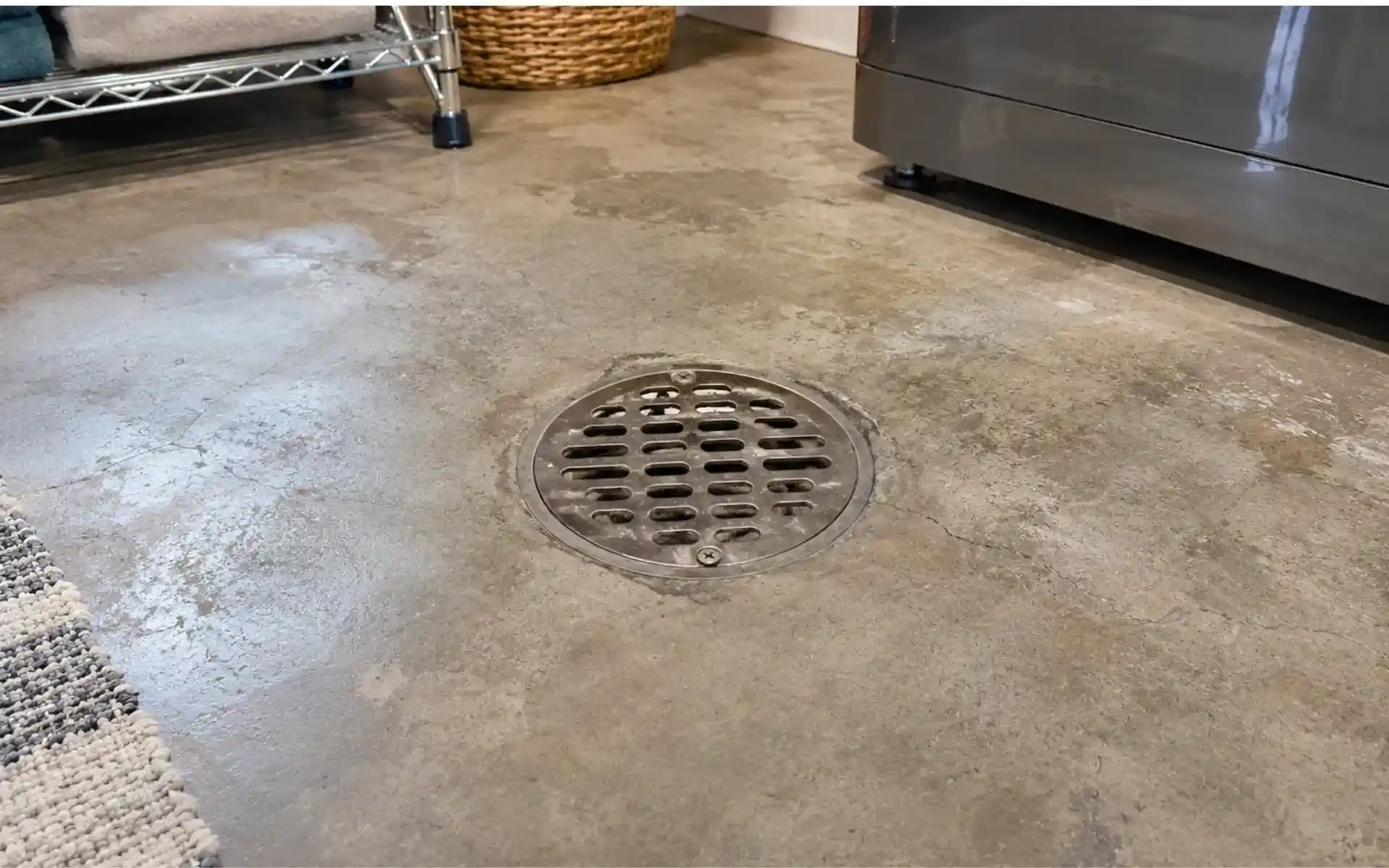
Yes, in many jurisdictions, but the floor drain typically needs a trap primer or backwater valve to prevent sewer gas and backflow. Some manufacturers also require a siphon break kit for floor drain installations. Check your washer’s installation manual and local code before connecting this way.
Why does my standpipe overflow during the spin cycle?
The most common cause is a lint clog in the P-trap or drain line, which slows water enough that the pump outpaces the drain. A hose seated too far down inside the standpipe can also cause siphoning issues. Clearing the trap or repositioning the hose often resolves it.
Do I need a vent pipe for a laundry drain?
Yes. The vent lets air into the drain system so water flows smoothly instead of gurgling or pulling water out of the P-trap. Without proper venting, the trap can lose its water seal and let sewer gas into the room.
What’s the difference between a standpipe and a utility sink drain?
A standpipe is a hidden vertical pipe inside a wall with a hose hooked over the top, while a utility sink is an open basin the hose sits inside. The sink makes clogs easier to spot early, but it takes up more floor space.
Can I install a laundry drain myself?
Basic maintenance, like clearing lint from a trap, is usually within homeowner skill. Installing or relocating a standpipe, floor drain, or direct line involves code-regulated plumbing work and often a permit, so this part is best left to a licensed plumber.
Why does my laundry room smell like sewer gas?
This usually means a P-trap has dried out or lost its water seal, commonly in floor drains that go unused between laundry loads. Running water down the drain periodically can help, but a persistent smell should be checked by a plumber, since it can also signal a venting problem.
Getting Your Laundry Drain Checked
If your laundry drain overflows, smells, or you simply aren’t sure what type you have, a licensed plumber can inspect the setup, confirm it meets current code, and explain your options before recommending any repair or replacement work.
Need help with drains?
Explore the relevant services available from Anaheim Plumbing.