A toilet drain is the hidden route that carries flushed waste from the bowl through a trapway, past the flange seal and into the branch drain. From there, waste reaches the sewer line. Flush water drives this process through siphon action, so the whole path must stay open and the tank must deliver enough water.
Most clogs come from excess toilet paper or non-flushable items. Knowing how the drain works helps you judge what you are facing. A one-time blockage is simple, while repeated clogs often point to a flapper, vent, mineral buildup or sewer problem.
You can often clear a stubborn toilet without a plunger by using household items and a few basic tools. Options include hot water, dish soap, baking soda and vinegar, a wire hanger, a toilet brush, a plastic bottle, a wet/dry vacuum and enzyme cleaners.
Each works best on certain clogs, and each has limits, so matching the method to the blockage matters more than trying everything. If nothing works or clogs keep returning, the cause is probably deeper in the plumbing and needs a different approach.
How Does a Toilet Drain Work?
A toilet drain works by using flush water to create a siphon that pulls waste out of the bowl and through the trapway. When you flush, the tank releases its water, the bowl fills quickly, and that rush forces water over the trapway’s high point. Once the siphon starts, the bowl empties with a gulp, waste moves into the drain, and the tank refills for the next flush. The whole sequence depends on enough water arriving fast, which is why a weak flush leaves paper and waste behind.
After the trapway, waste passes through the flange and wax seal that join the toilet to the floor drain. It then travels down the branch drain, which collects flow from the toilet, and finally joins the main sewer line. This route must stay clear and sealed, because a leak at the flange or an obstruction in the branch drain disrupts everything downstream. Each stage hands waste to the next, so a blockage anywhere can show up as a slow or failing flush.
The plumbing vent admits air into the system so water can drain smoothly instead of fighting a vacuum. Without that air, water moves sluggishly, gurgles, and may leave the bowl draining slowly even when the pipe itself is open. A weak flush and a blocked vent produce similar symptoms, so slow drainage does not always mean a simple clog. Noticing whether the problem affects one toilet or several fixtures helps you tell a local issue from a system one.
What Are the Main Parts of a Toilet Drain System?
The main parts of a toilet drain system are the bowl, trapway, flange, seal, drain pipe, vent stack, tank flapper and fill valve. Together they supply flush water, hold it in the bowl, move waste out, and let air into the line so water can flow freely. The table summarizes the role of each part, so you can see where a problem might begin. Most parts sit out of sight, but the bowl, tank and trapway shape how well a toilet clears waste.
| Part | Role |
|---|---|
| Trapway | Narrowest passage; common clog point |
| Flange and seal | Join toilet to drain pipe |
| Flapper and fill valve | Control flush water |
The trapway is the narrowest point in the toilet, which is why clogs commonly form there. Paper or objects that fit through the bowl can still lodge in its curve, especially when flush water is weak. The flange and seal connect the toilet to the drain pipe, while the flapper and fill valve control how much water each flush delivers. A worn flapper or poor fill can reduce flush power and make the trapway clog more readily.
What Size Is a Toilet Drain Pipe?
The size of a toilet drain pipe and flange depends on the home and local plumbing code, so confirm the exact specification before buying parts. Diameters are not something to guess, because fittings, replacement flanges and tools need to match what is actually installed in your plumbing. Your local code or a licensed plumber can give the correct dimensions for your property. Measuring the installed flange yourself is the most reliable way to avoid mismatched parts.
Size matters for clogs because a narrow or partly obstructed pipe and trapway limit what can pass through. Even a modest buildup along the pipe wall reduces the space available, so paper and waste that once flushed easily may begin to catch. This is one reason older plumbing with deposits is more prone to repeat blockages. If clearing the bowl never fully restores normal flow, a restriction farther along the line may be the cause.
Why Does a Toilet Clog?
A toilet clogs when something blocks the narrow passage between the bowl and the drain, most often too much toilet paper or items that should never be flushed. Excess paper sticks to drain lines and pipes, and a clogged S-trap connecting the drain line and bowl is a common place for the blockage. Mechanical problems can also be responsible, including a broken flapper, a blocked vent or an obstruction in the sewer line. Understanding which cause applies tells you whether a household fix will work or the problem runs deeper.
- Excess toilet paper
- Non-flushable items
- Broken flapper
- Blocked vent or sewer line
- Hard water, old plumbing, low tank water
Several conditions reduce flushing power and make blockages more likely, even when you flush sensibly. Older plumbing often has rough or narrowed pipes, and hard water deposits can build up and shrink the passage over time. Low water in the tank also weakens the flush, so the siphon may not carry waste all the way through the system. These factors combine, which is why one household may see regular clogs while another rarely does.
Non-flushable items and greasy or waxy materials are especially troublesome because they do not break down like toilet paper. Grease and wax can solidify inside pipes, narrowing them and catching other debris as it passes. Solid objects can lodge in the trapway and resist every household method. The list below summarizes the usual causes, from everyday habits to mechanical faults.
Why Does My Toilet Keep Clogging?
A toilet that keeps clogging usually has a weak flush, mineral buildup, or a vent or sewer issue rather than a one-off case of overuse. When the same toilet clogs repeatedly with normal use, something in the system is reducing flushing power or narrowing the passage. Gurgling sounds or backups in other drains suggest a deeper problem in the line, not just the toilet itself. Those signs shift your focus from the bowl to the wider plumbing.
Start diagnosing with the tank, because the flapper and water level are the easiest things to check. A broken flapper or low tank water reduces the volume of each flush, so the siphon may fail to clear the trapway completely. If the tank works properly and clogs continue, hard water deposits or a vent or sewer obstruction become more likely. Persistent cases are worth professional attention rather than another round of home fixes.
What Should You Do Before Unclogging a Toilet?
Before unclogging a toilet, stop the flow of water by lifting the tank lid and closing the flapper or the supply valve. This prevents the tank from refilling the bowl and causing an overflow while you work. Put down towels, wear gloves, and check whether the bowl level is low enough to work safely. If the bowl is full, scoop out excess water with a large cup so it cannot spill over the rim.
- Lift the tank lid.
- Close the flapper or supply valve.
- Lay towels and wear gloves.
- Scoop out excess bowl water.
Avoid flushing repeatedly, because each flush adds water to a blocked bowl and raises the overflow risk. Wait to see whether the level drops on its own, then choose a method that suits the likely clog. Never mix chemicals, since combining cleaners can release harmful fumes and create dangerous reactions. Preparing first keeps the mess contained and makes every method that follows safer and more effective.
How Can You Unclog a Toilet Without a Plunger?
You can unclog a toilet without a plunger by starting with gentle household methods and moving to more hands-on ones if needed. Paper clogs often respond to soap, hot water or a fizzing mixture, while solid objects usually need a hook, auger or vacuum. Matching the method to the clog type saves time and avoids mess or damage to the porcelain. The table compares each option by materials, waiting time, best use and mess level.
| Method | Best for | Mess |
|---|---|---|
| Hot water, soap | Paper | Low |
| Hanger, vacuum | Solid items | Higher |
Household items are enough for many blockages, but specialty tools like a wet/dry vacuum or an enzyme cleaner help with stubborn or recurring ones. Start with the gentlest method, give it time to work, and only escalate when the water still will not drain. Each approach has limits, and none can fix a vent or sewer problem. The sections that follow explain how to carry out each method safely.
How Do Hot Water and Dish Soap Unclog a Toilet?
Dish soap and hot water unclog a toilet by lubricating the pipe so the blockage slides through, then adding force to dislodge it. Squirt dish soap into the bowl and wait 10 to 15 minutes so it can work its way down to the clog. Then carefully pour hot, not boiling, water into the bowl from about waist height, which adds force. Repeat if the water drains slowly, since stubborn paper may need more than one round.
- Add dish soap.
- Wait 10 to 15 minutes.
- Pour hot water from waist height.
- Repeat if needed.
Water that is too hot can crack the porcelain, so never use boiling water for this method. Hot tap water is enough to soften organic waste and toilet paper without stressing the bowl. If the level rises, stop pouring and let it settle before adding more. This approach suits paper clogs best and will not move solid objects.
How Do Baking Soda and Vinegar Unclog a Toilet?
Baking soda and vinegar unclog a toilet through a fizzing reaction that bubbles up and helps loosen debris in the drain. Add baking soda to the bowl first, then pour in vinegar slowly so the reaction builds without surging over the rim. Clearing excess bowl water beforehand limits the bubbling and gives the mixture better contact with the clog. Let the mixture sit while it works on the blockage.
- Remove excess bowl water.
- Add baking soda.
- Pour vinegar slowly.
- Wait, then add hot water.
The fizzing reaction helps break down debris, which makes it a reasonable choice for paper-based clogs. It is gentler on the toilet than force or harsh cleaners, and it uses ingredients most kitchens already have. Its power is modest, so it works best on minor blockages rather than solid objects. Expect to repeat it if the first attempt only partly clears the drain.
After about 30 minutes, follow with hot water to check whether the toilet is draining. The water both flushes loosened material along and shows whether the clog has cleared. As with the soap method, use hot water rather than boiling to protect the porcelain. If the bowl still drains slowly, move on to a more hands-on option.
Do not combine this mixture with commercial cleaners, because mixing chemicals can produce hazardous reactions. If you have already used a store-bought product, skip this method and choose another approach. Keep the bathroom ventilated and wear gloves, since bubbling liquid can splash. Keep the quantities modest so the fizz does not overflow the bowl.
Can a Wire Coat Hanger Clear a Toilet Clog?
A wire coat hanger can clear a toilet clog when it is straightened and shaped into a hook to break up or pull out the blockage. Wrap the hook end with a small rag to protect the porcelain from scratches, then feed it gently into the drain. Use light twisting motions to break up the obstruction or hook out a solid item. Avoid forcing the wire, since hard pushing can scratch the bowl.
- Straighten the hanger.
- Form a hook.
- Wrap the tip in cloth.
- Probe gently.
A hanger is a stopgap, since it can only reach so far and cannot clear deeper obstructions. For clogs beyond the trapway or stubborn foreign objects, a drain auger works better because it is built for the job. Treat the hanger as an improvised manual snake for minor trouble near the bowl. If it does not help after a few tries, switch methods.
Can a Toilet Brush or Plastic Bottle Create Plunger-Like Pressure?
A toilet brush or plastic bottle can create plunger-like pressure that moves water and loosens minor clogs. With a brush, angle the bristles down into the drain opening and pump it up and down like a plunger. This pushes water through the trap and can dislodge paper, though it is messy. Wear gloves and expect splashing, and use a brush you will not mind cleaning or discarding.
The brush method works mainly on minor clogs, because the pumping force is limited compared with a true plunger. It suits situations where a partial blockage slows the drain but has not stopped it completely. Keep the bowl level safe before pumping, and stop if water rises toward the rim. If nothing moves after several rounds, try another approach.
For the bottle method, remove most of the bowl water first, then fit a bottle into the outlet and squeeze. The squeeze sends water down the pipe, creating a burst of pressure aimed at the blockage. A 2-liter plastic bottle filled with hot water gives focused downward pressure. Use hot, not boiling, water to protect the porcelain.
Both tricks rely on forcing water against the clog, so a decent fit at the drain opening helps. Neither suits hard objects, which need to be hooked or vacuumed out instead. Repeat a few times, checking drainage each round with a small amount of water. If the problem returns, look for a deeper cause.
How Does a Wet/Dry Vacuum Remove a Toilet Clog?
A wet/dry vacuum removes a toilet clog by pulling the blockage out through suction once the bowl has been emptied. Empty the bowl first, insert the hose a few inches into the drain, and seal around the opening as well as you can. Switch the vacuum on, and its suction should extract the clog from near the trap. Check the bowl afterward and repeat if material remains.
- Empty the bowl.
- Insert hose a few inches.
- Seal around opening.
- Switch on and extract.
Use only a wet/dry vacuum for this job, not a regular household one, which is not made to handle water. Keep the cord and outlet away from water, and wear gloves because the process is unsanitary. Clean and sanitize the hose and canister afterward. This method suits stubborn clogs, including solid obstructions near the trap.
Do Enzyme Cleaners Work on Toilet Clogs?
Enzyme cleaners can work on toilet clogs by gradually dissolving organic waste, though they act more slowly than other methods. A commercial enzyme cleaner is typically poured into the bowl and left to dissolve waste overnight. This patience suits mild blockages that are not an emergency. Follow the product label for the amount to use and the waiting time.
Enzyme products are recommended before force or harsh chemicals, because they avoid the risks that come with stronger options. They suit mild or recurring buildup, where slow breakdown of organic material keeps the line moving. They will not remove solid objects, so they are not a fix for a toy or other foreign item. A completely blocked toilet needs a faster method first.
Harsh chemical drain cleaners are a poorer choice, since they carry safety risks and can harm pipes. Enzymes work biologically on waste instead of attacking the pipe, which makes them gentler on plumbing. Do not mix an enzyme product with other cleaners. Keep one on hand for slow drains and recurring buildup.
What Should You Avoid When Unclogging a Toilet?
When unclogging a toilet, avoid boiling water, repeated flushing, mixing cleaners and harsh chemical drain cleaners. Boiling water can crack the porcelain, turning a clog into a costly repair. Repeated flushing carries an overflow risk, because each flush adds more water to a bowl that cannot drain. Use hot tap water instead and let the level settle before trying again.
- Boiling water
- Repeated flushing
- Mixing cleaners
- Harsh drain cleaners
- Forcing tools
Mixing cleaners can create dangerous reactions, so use one product at a time and never combine it with baking soda and vinegar. Harsh chemical drain cleaners also raise safety and pipe concerns, and they leave hazardous standing water if they fail. Enzyme products are a milder first choice. Wear gloves and ventilate the room whenever you use any cleaner.
Forcing tools into the drain can scratch or damage the bowl, so wrap hooks in cloth and use gentle motion. Ignoring the overflow risk is the other common mistake, so keep towels down and watch the water level. Stop and reassess if the water rises. Patience protects both the porcelain and your floor.
What If the Toilet Still Won’t Unclog?
If the toilet still will not unclog, repeat your method, try a toilet auger, and check for a foreign object. Household techniques may be insufficient for stubborn clogs, and an auger reaches farther than a hanger or brush. You can rent one if you do not own it. A stubborn clog may be a deep drain-line blockage or an object lodged in the trapway.
Watch for signs of a vent or sewer line obstruction, such as several fixtures draining slowly, gurgling sounds or backups. These point beyond the toilet, where bowl-level methods cannot help. A prolonged clog can also signal other plumbing issues, such as a failing flapper or old pipes. At that point, further home attempts waste time and risk damage.
When Should You Call a Plumber for a Clogged Toilet?
Call a plumber after multiple methods fail, when clogs recur, or when water will not drain at all. Water that does not drain is a reason to call a professional, particularly if the bowl is close to overflowing. Professional diagnosis prevents further damage, because a trained plumber can find the actual cause rather than guess. The list shows the main triggers.
- Multiple methods failed
- Clogs keep recurring
- Other drains back up
- Water will not drain
- Flooding
Backups in other drains or suspected sewer line problems also call for professional help. These suggest the blockage is in the shared line, where a household remedy cannot reach. Flooding is an urgent trigger, so shut off the supply valve and call right away. Acting early limits water damage to floors and walls.
Lasting issues such as old plumbing deserve a professional look, because worn or narrowed pipes keep causing clogs. A plumber can inspect the line and recommend repairs that stop the cycle. Repeated home treatments only treat symptoms of a system fault. Continuing to try fixes can also stress fixtures.
Before the visit, note how long the problem has lasted and which fixtures are affected. That information speeds up the diagnosis and helps the plumber separate a local clog from a line problem. Avoid using the toilet or other affected drains until help arrives. Do not add chemicals, which can endanger the plumber.
How Can You Prevent Future Toilet Clogs?
You can prevent future toilet clogs by flushing only human waste and toilet paper and avoiding excessive paper. Keep a wastebasket nearby so wipes, wraps and other items never go down the toilet. Grease and wax can solidify and clog drains, so keep them out of the toilet and the plumbing. These habits remove the most common causes of blockages.
- Flush only waste and paper
- Use a wastebasket
- Check flapper and tank level
- Clean rim jets
Maintain the tank as well, since a worn flapper or low water level reduces flushing power. Address hard water deposits and clean the rim jets so water flows strongly. Keep a brush, wet/dry vacuum and enzyme cleaner ready for emergencies. Regular attention costs little and prevents most repeat clogs.
Frequently Asked Questions
Why does my toilet drain differently than my bathroom sink?
A toilet’s trap is molded directly into the bowl as part of the trapway, while a sink relies on a separate P-trap fitting under the cabinet. This means a toilet clog usually sits inside the fixture itself, while a sink clog is more often located in the trap or the pipe just past it.
Do all bathroom drains use the same size pipe?
Pipe size depends on the fixture and how much water or waste it carries. Sinks typically use 1 ¼- to 1 ½-inch pipe, showers and tubs use 1 ½ to 2 inches, and toilets require 3 to 4 inches to handle solid waste.
What is a floor drain’s trap primer, and do I need one?
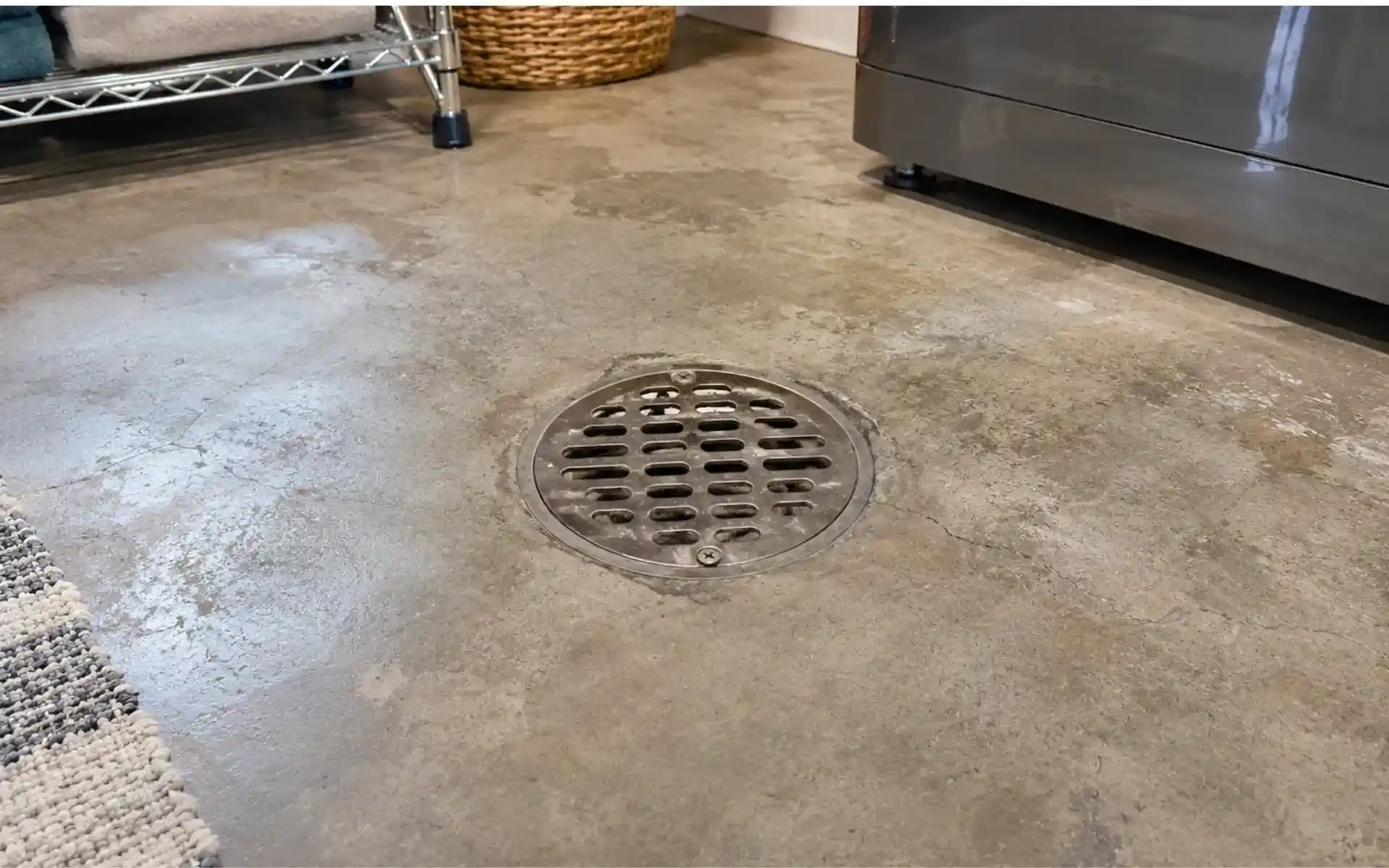
A trap primer is a small device that periodically adds water to a floor drain’s trap to keep it sealed, since floor drains aren’t used daily the way a sink or shower is. Not every floor drain has one installed, and manually pouring water down the drain every few weeks accomplishes the same goal.
Why does my shower drain slower than my bathroom sink even though both clog the same way?
A shower’s P-trap usually sits lower, often behind an access panel, making it less convenient to clean than a sink trap under an open cabinet. Because of that, hair and soap buildup can accumulate longer in a shower drain before it becomes noticeable.
Can a bathtub’s overflow drain cause a clog on its own?
The overflow drain rarely clogs by itself, since it mainly carries excess water rather than hair or soap residue. However, because it shares plumbing with the main tub drain, a clog anywhere in that shared line can affect how well both the drain and the overflow function.
Is a 3-inch or 4-inch toilet drain better?
Both sizes meet code in many jurisdictions, but a 4-inch drain line generally provides more clearance for solid waste and paper, which some plumbers note can reduce the frequency of clogs over time. Local code requirements determine which size applies to a given installation.
Need help with drains?
Explore the relevant services available from Anaheim Plumbing.