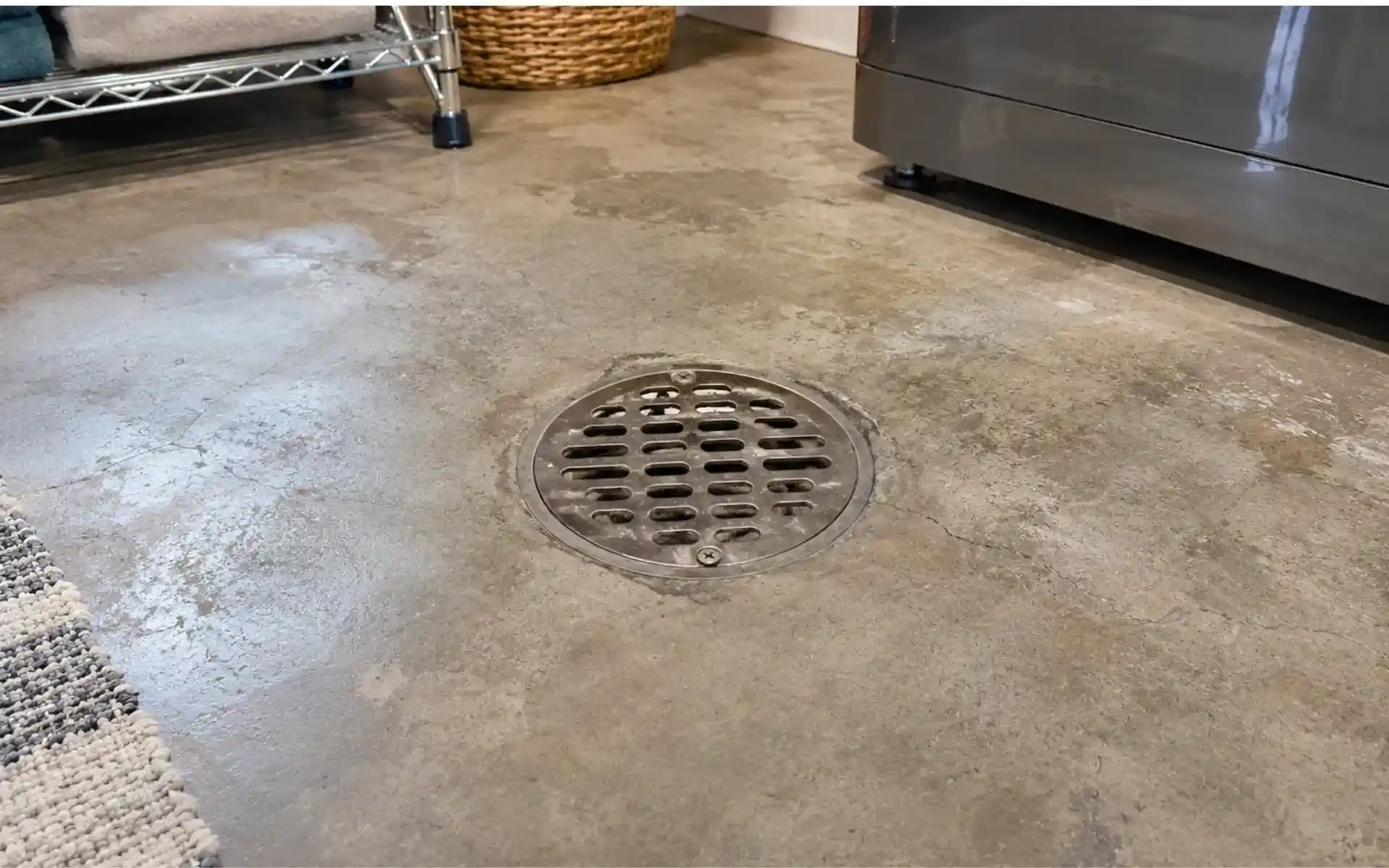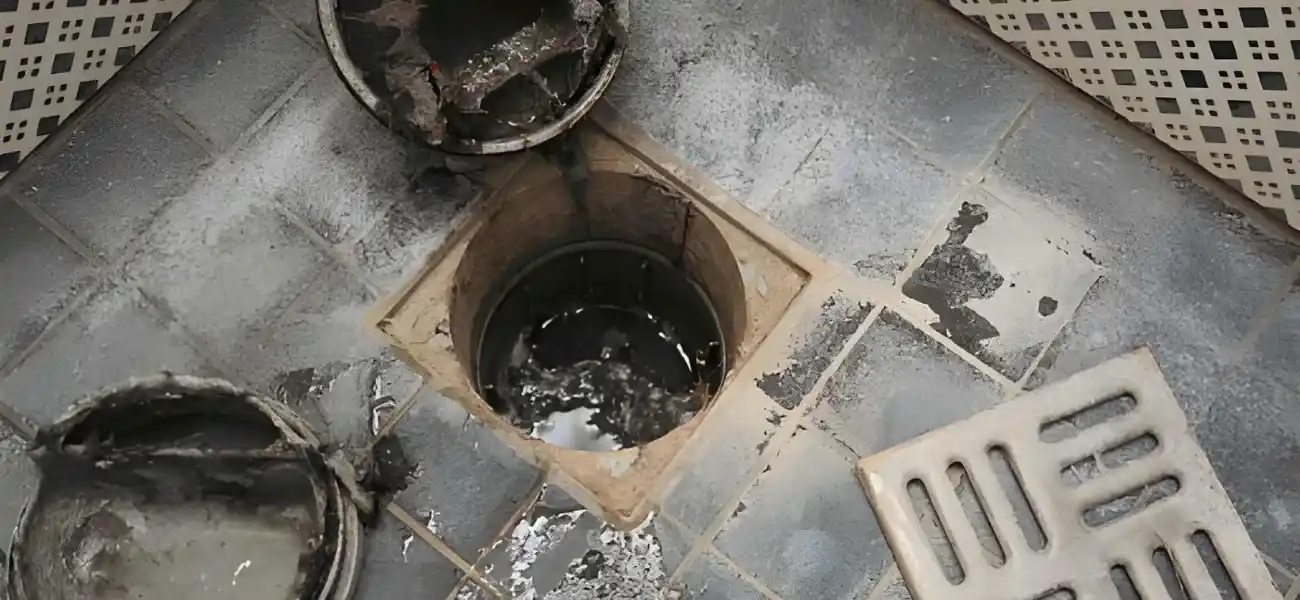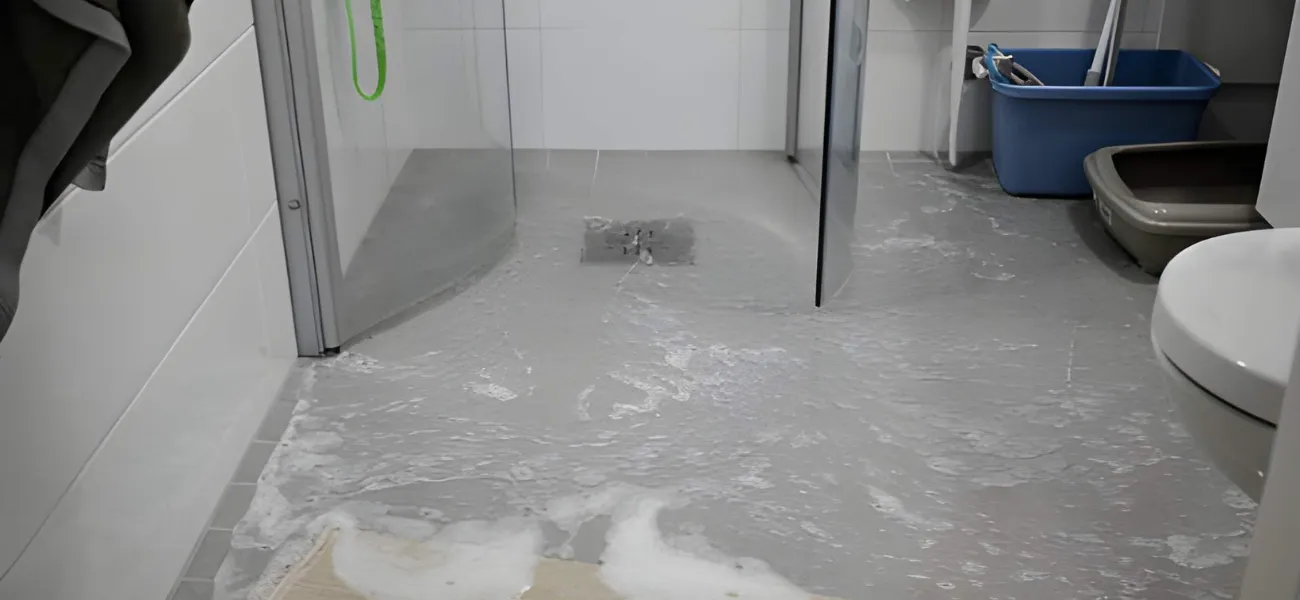
Cleaning a shower drain means removing hair, soap scum and debris from the drain cover, the strainer and the upper section of pipe you can reach. The usual sequence starts by lifting the cover and pulling out visible gunk, then flushing with baking soda and white vinegar, and finally using a plunger or drain snake if water still lingers.
Each step goes a bit deeper, so you only need to escalate when the gentler method has not restored normal flow. Most households never need anything stronger than gloves, a few common supplies and about half an hour.
It helps to separate routine maintenance from clearing an active clog, because the two jobs call for different effort. Maintenance is a quick, regular habit that keeps buildup from forming, such as wiping the cover and running a mild flush.
Clearing a clog is a corrective job, used when water drains slowly or pools around your feet, and it relies on mechanical tools that physically pull or push the blockage free. Knowing which situation you face keeps you from overworking a drain that only needs a light refresh.
Why Does a Shower Drain Clog?
A shower drain clogs mainly because hair and soap scum collect and bind together inside the pipe. Hair is the main culprit, since strands wash down in large numbers and snag on rough pipe walls or on one another. Soap residue then coats those strands and turns the loose tangle into a sticky, dense mass that catches even more material with each shower. Most drain clogs are made of exactly this combination, which is why the problem returns so reliably in busy bathrooms.
Other substances build up on the pipe walls and narrow the passage over time. Body oils and grease from skin and hair products leave a film that traps particles, while mineral deposits from hard water add a crusty layer that makes surfaces even rougher. Soap scum, which forms when soap reacts with minerals in the water, thickens that layer gradually. The result is a pipe that shrinks a little with every shower until a small amount of hair is enough to block it.
Early signs usually show up well before the drain stops completely. Watch for water that drains slower than it used to, shallow standing water around your ankles, or gurgling sounds as water moves past the partial blockage. A musty or sour smell can also appear because trapped organic matter begins to decompose. Catching these signals early means a quick manual cleaning or flush may be enough, instead of a stubborn clog that needs tools.
What Tools and Supplies Do You Need?
You need only a few basic items for most shower drain cleaning jobs, and the core kit costs little. For removing the cover and pulling out hair, gather gloves, pliers, a flashlight and a screwdriver. For flushing and clearing, keep baking soda, white vinegar, a plunger and a drain snake nearby. A hair catcher is worth adding too, because it stops debris before it reaches the pipe and reduces how often you need the rest.
- Gloves, pliers, flashlight, screwdriver
- Baking soda and white vinegar
- Plunger and drain snake
- Hair catcher
- Optional: diluted bleach
Some items are optional or situational rather than essential. Diluted bleach can help when mold is part of the problem, though it should never be mixed with vinegar. A chemical drain cleaner belongs at the very end of the list as a last resort, since it carries risks that mechanical methods avoid. Gloves and pliers matter more than they seem, because removing hair by hand is the quickest and most effective first move.
How to Clean a Shower Drain Step by Step
Clean a shower drain by working from the gentlest method to the most forceful, stopping as soon as water flows freely. Begin with manual removal of hair and debris, follow with a baking soda and vinegar flush, and only then bring in a plunger or snake. Use hot tap water or water at about 120°F for rinsing, and avoid boiling water, which can soften or damage PVC pipes. The numbered steps below summarize the order, and the sections that follow explain each stage.
- Remove the cover and pull out debris.
- Flush with baking soda and vinegar.
- Rinse with hot tap water.
- Plunge if water stays slow.
- Snake deep clogs.
Escalating in order protects your plumbing and saves effort. Many slow drains clear entirely once the hair is pulled out by hand, so the flush and tools may never be needed. If the drain still runs slowly after the plunger and snake have each had a fair try, that is the point to stop and consider professional help rather than forcing the issue. Pushing harder with the wrong tool can scratch pipes or pack the clog tighter.
How Do You Remove the Drain Cover and Pull Out Hair?
Remove the drain cover by unscrewing it or prying it up gently with a flathead screwdriver or pliers, then pull out the hair and debris by hand. Many covers are held by a single screw at the center, while others simply lift out or sit in place with friction. Shine a flashlight into the opening so you can see where the hair is tangled before reaching in. Pull slowly so the clump comes out whole and does not break apart back into the pipe.
Wear gloves during this job, because the buildup is slimy and can harbor bacteria. Eye protection is a sensible addition when prying a stubborn cover, since a slipping tool or flicked debris can reach your face. Pliers help grip long hair and tight clumps, so you do not have to push fingers deep into the pipe. Remove all visible hair and debris by hand before flushing anything down, because the flush works much better on a drain that is already clear.
Once the drain is open, clean the cover and strainer too. Scrub them with a brush and warm soapy water to remove the film of soap scum and oils that clings to the grate. Dry them, set them back and tighten the screw if there is one. Turning this cleaning into a weekly habit keeps the cover from becoming the starting point of the next clog.
How Do You Clean a Shower Drain With Baking Soda and Vinegar?
To clean a shower drain with baking soda and vinegar, pour 1/2 cup of baking soda into the drain, add 1 cup of white vinegar, cover the opening, and wait 15 to 20 minutes. Then flush with hot water. The fizzing reaction helps loosen soap scum and neutralizes odors without harming pipes, making it a good routine treatment. Covering the drain keeps the foam working down in the pipe rather than bubbling up onto the floor.
- Pour in 1/2 cup baking soda.
- Add 1 cup white vinegar.
- Cover the drain.
- Wait 15 to 20 minutes.
- Flush with hot water.
Set expectations carefully, because this mixture is a maintenance tool rather than a cure for every clog. It works on thin layers of scum and mild smells, but it has limited effect on a dense mass of hair. If water still drains slowly afterward, the blockage is likely hair, and the next step is to remove it by hand or use a plunger or snake. Rinse with hot tap water, not boiling, so the PVC pipes stay safe.
How Do You Unclog a Shower Drain With a Plunger?
To unclog a shower drain with a plunger, make sure water covers the lip of the cup so it seals, then plunge rapidly up and down for about one minute. The seal is what lets the plunger turn your pumping into pressure and suction inside the pipe. Without it, air escapes around the rim and the force never reaches the clog. Check drainage after pumping to see whether the water starts moving.
Prepare the area before you start. If your shower has an overflow opening, which is common with tub-shower combinations, block it with a wet rag so pressure goes into the clog rather than escaping through the opening. Remove the drain cover first so the plunger sits directly over the drain opening. A flat-bottomed cup fits shower floors better than a deep-flanged toilet plunger.
Add enough water to cover the plunger cup if the shower is empty. Place the cup fully over the drain, press down once to push out trapped air, and then pump vigorously. The goal is to rock the blockage loose by alternating pressure and suction, so keep the strokes quick and steady instead of slow and gentle. Keep the plunger on the drain through the whole minute to preserve the seal.
After about a minute, lift the plunger and see how the water behaves. If it drains faster, run hot tap water to carry the loosened material down. If it stays slow, repeat the process a few times, since stubborn clogs often give way on later attempts. When repeated plunging fails, switch to a drain snake, which can reach and grab hair deeper in the pipe.
How Do You Use a Drain Snake to Remove a Deep Clog?
To use a drain snake, insert it into the drain until it meets resistance, turn the handle clockwise to hook the clog, twist to grab the hair, and pull it out. The tip catches and winds around the mass, letting you remove it instead of pushing it farther. Repeat the insertion several times, flushing with hot water between passes, until nothing more comes up. Wipe and clean the snake afterward so residue does not linger.
If you do not own a snake, a hanger-style hair tool or a straightened wire coat hanger with a small hook can work as an alternative for clogs near the top of the pipe. Move gently, because rigid metal can scratch the inside of a pipe, and scratches give future buildup something to cling to. Never force the tool against solid resistance. If the snake will not advance or the clog keeps returning, the problem may lie deeper in the plumbing than home tools can reach.
Is Boiling Water or Chemical Drain Cleaner Safe for Shower Drains?
Boiling water and chemical drain cleaners are both risky choices for shower drains, so use hot tap water instead and keep chemicals as a last resort. Boiling water can damage PVC plumbing by softening the plastic and loosening joints, which is why water at about 120°F is the safer option. Hot tap water is typically warm enough to help dissolve soap film and carry loosened debris along. It will not threaten the pipes the way a kettle can.
Harsh chemical cleaners generate heat and can eat away at pipes, and they bring fumes and hazards if mixed with other products. They also perform poorly on hair clogs, since hair is stubborn and the product may simply sit above the blockage in standing water. That leaves you with a caustic pool that is unpleasant to plunge or snake afterward. Try manual removal, plunging and snaking first, and use a chemical product only when nothing else has worked, following its label closely.
How Do You Clean a Shower Drain That Smells?
To clean a shower drain that smells, remove the cover, pull out the hair and slime, scrub the area, and flush with baking soda and vinegar or a diluted bleach solution if mold is present. Smells come from decomposing organic matter in the pipes, such as hair, skin cells and soap residue, which feeds bacteria and biofilm. Removing that material is the real fix, because masking it with fragrance only hides the cause. Never mix bleach with vinegar, since the combination releases harmful fumes.
| Cause | Fix |
|---|---|
| Biofilm, soap scum | Hand removal, vinegar flush |
| Dry P-trap | Run water monthly |
| Mold | Diluted bleach |
Not every smell comes from buildup. A dry P-trap can let sewer gas rise into the bathroom, because the trap normally holds a water seal that blocks it. This is common in unused guest bathrooms, where water evaporates over time. Running water monthly refills and re-seals the trap, and drain flies are another clue that gunk is accumulating and needs cleaning.
The table below matches common causes to their typical fixes. If odors persist after you have cleaned the drain, refilled the trap and treated for mold, the cause may be farther down the line. A persistent sewer smell can indicate a problem that household cleaning cannot solve. At that point a plumber can find the source rather than leaving you to keep guessing.
What If the Drain Cover Can’t Be Removed or Water Is Standing?
If the cover cannot be removed, clean through its openings and use a plunger or snake that fits through the slots. Some covers are fixed in place or have no screws or tool-friendly edges, so work with a small brush, pliers or a thin hair tool through the gaps. Scrub the grate itself with a brush and warm soapy water. A flexible snake can often pass through the openings to reach hair below.
When water is standing in the shower, start with the plunger and then move to the snake. Standing water actually helps the plunger seal, so pump vigorously for about a minute and check whether it drains. A shop-vac can pull out some surface water or loose debris, but it is not a fix for deep, compacted clogs. Be cautious with chemicals here, because they will sit in the standing water and splash back during plunging.
Specialty drains need slightly different handling. Linear drains, Japanese-style drains and basket types usually have removable grates, traps or baskets where hair collects, so lift those pieces out and clean them thoroughly. Check the trap beneath, since that is where debris tends to concentrate. After cleaning, flush with hot tap water to confirm flow and to wash away anything left behind.
How Often Should You Clean a Shower Drain and Prevent Clogs?
Clean the drain cover weekly and flush the drain with hot water monthly, with a baking soda and vinegar treatment added periodically as maintenance. Weekly attention keeps hair from forming a mat at the opening, while the monthly flush clears film before it hardens into scum. These quick habits take only a few minutes and cost far less effort than clearing a full blockage. Consistency matters more than intensity.
The best prevention is stopping debris before it enters the pipe. Install a simple hair catcher strainer, which traps hair and soap chunks so you can remove them in seconds. Brushing your hair before showering sends fewer loose strands down the drain. Limiting oils and heavy products in the shower also reduces the greasy film that makes hair stick, and together these habits greatly cut how often clogs form.
When Should You Call a Plumber?
Call a plumber when clogs persist after you have tried a plunger and snake, or when several fixtures back up together. If the shower, sink and toilet all back up at once, the problem likely sits in the main sewer line rather than in the shower drain. Persistent sewer smells, recurring clogs and signs of damaged pipes are also reasons to stop. Continuing to force a home fix can worsen the problem.
A professional has tools that household supplies cannot match. A camera inspection shows what is actually inside the pipe, so the plumber can see the clog or damage instead of guessing. A power auger can break through dense blockages, and hydro-jetting uses high-pressure water to scour the pipe walls. Diagnosing the real cause often saves money compared with repeated attempts that never fix it.
Frequently Asked Questions
What is the difference between a point drain and a linear drain?
A point drain sits in the center or corner of the shower floor and collects water sloped from all four sides. A linear drain is a long channel installed along one wall, with the floor sloped in a single direction. The main practical difference is tile compatibility and slope complexity during installation.
Can I replace a point drain with a linear drain?
It’s possible, but it usually requires reworking the shower floor’s slope and waterproofing membrane rather than a simple drain swap. Because the slope pattern changes from a four-way pyramid to a single plane, this project is best handled by an experienced installer or licensed plumber.
Are tile-in drains harder to clean than standard grates?
A tile-in drain requires lifting the tile insert to reach the channel below, which adds a step compared with a standard metal grate that lifts out directly. The cleaning process itself, clearing hair and debris from the channel, is otherwise similar to any linear drain.
Do linear drains clog more often than point drains?
Not inherently. Both drain types rely on similar trap designs, and a linear drain’s wider opening can actually catch debris more effectively than a small point drain opening. Routine cleaning of the grate or channel is what keeps either type draining well over time.
What size pipe does a shower drain need?
Most shower drains use a 2-inch pipe, though some older installations use 1 ½ inches where local code permits it. The drain body size at the floor is separate from the pipe size below it, and the two should be matched during installation. The applicable size should be confirmed against the plumbing code adopted in the specific jurisdiction.
Is a linear drain a good choice for a curbless shower?
Yes, linear drains are commonly used in curbless and barrier-free shower designs because a single-direction slope is easier to blend into the surrounding bathroom floor than a four-way slope toward a center point. Perimeter drains are another option built for the same curbless layouts.
Need help with drains?
Explore the relevant services available from Anaheim Plumbing.