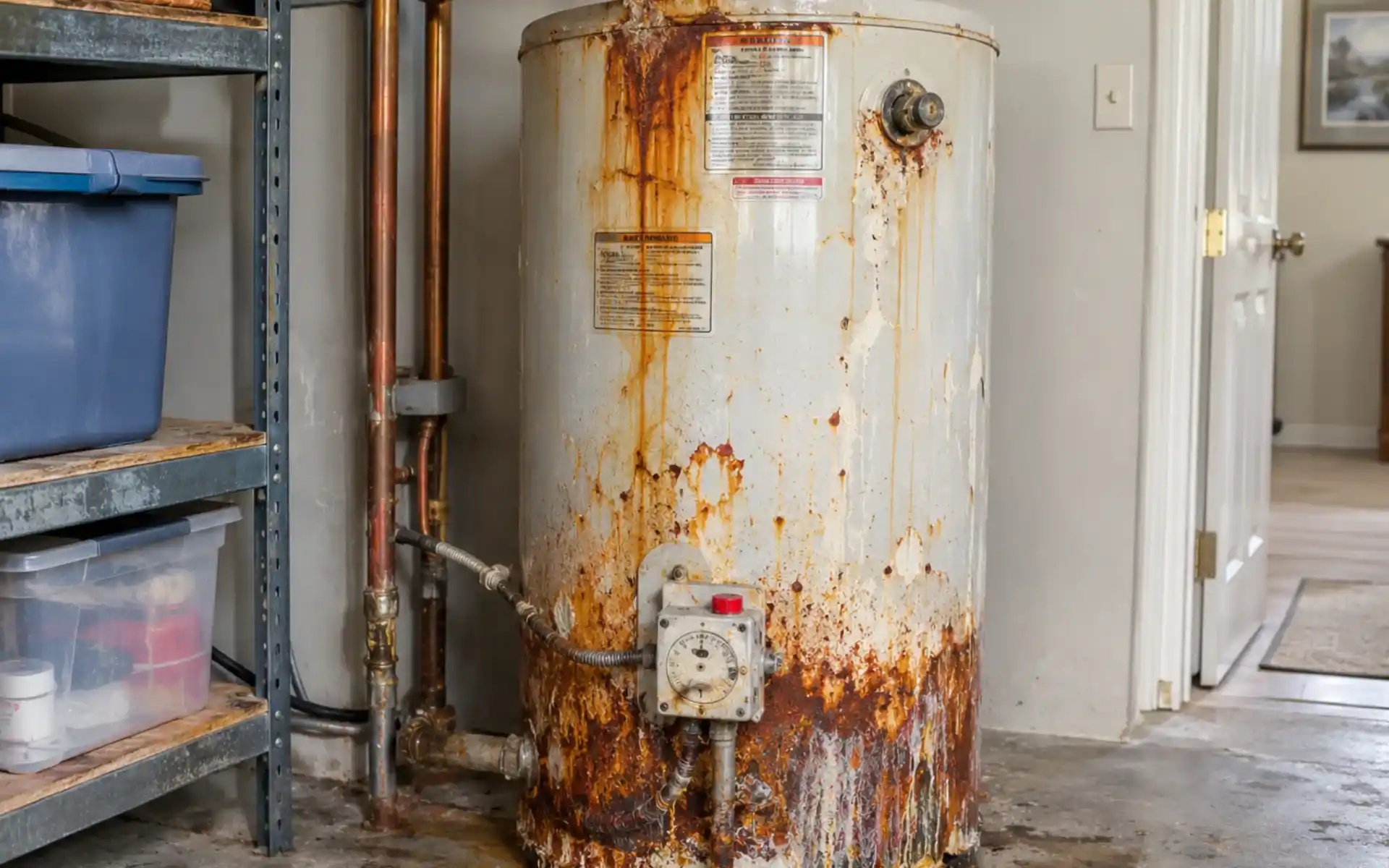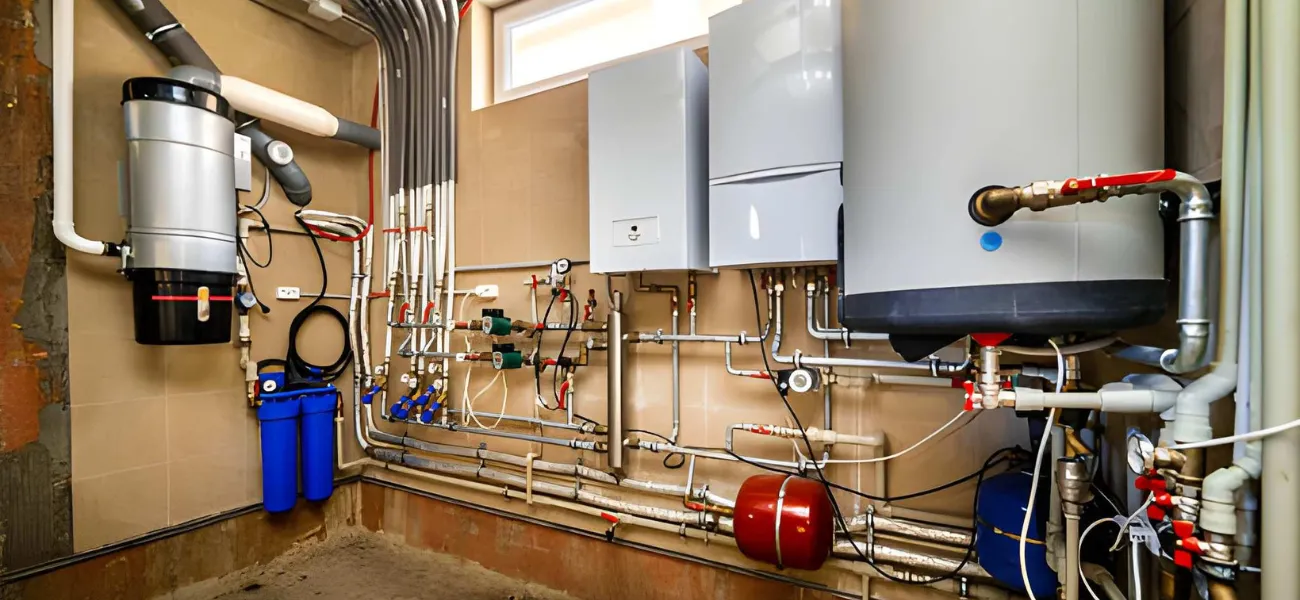
A water heater smell is a warning about what is happening in the tank, the water supply, or the area around the appliance. The type of odor usually points to the cause: rotten eggs suggest bacteria and hydrogen sulfide, while burning or chemical odors suggest heat, wiring, or vapors. This guide covers tank-type gas and electric units, with brief notes on RV models, so you can match the smell to a likely source. Most cases involve the water itself and are more annoying than harmful, though a few signs demand immediate action.
The most useful first distinction is location. If the odor appears only when you run hot taps, the heater is the likely source. If it comes from the unit, closet, or room, you may be dealing with gas, electrical trouble, moisture, or stored chemicals. That difference also separates a nuisance from a safety problem, since a gas or electrical smell is never something to wait on. Knowing which situation you are in tells you whether to ventilate and call for help, or simply plan a flush.
What Does a Bad Water Heater Smell Like?
A bad water heater usually smells like rotten eggs or sulfur, but the odor can also resemble gas, burning plastic, chemicals, sewage, bleach, mildew, or rust. Rotten egg is the most common homeowner complaint and comes from hydrogen sulfide in the tank. Natural gas smells similar but sharper, because the added mercaptan gives it a chemical edge. Burning plastic or hot wiring points to electrical trouble, while a paint-thinner smell often comes from vapors of nearby products. Each of these has a different meaning and a different level of urgency, so identify the smell carefully.
Other smells are quieter clues. A sewer odor may come from a dry drain trap, and a bleach smell may follow chlorine in the supply. A musty or moldy smell points to moisture and humidity around the unit, so look for visible mold or dampness. A metallic or rusty smell often signals corrosion inside the tank or pipes and may arrive with discolored water. Run hot and cold taps separately: odor only in hot water points to the heater, while odor in both suggests the main line or plumbing.
Is a Water Heater Smell Dangerous? Safety Steps First
It depends on the smell. A gas or propane odor near the unit is an emergency, while a sulfur smell in the hot water alone is usually harmless. A burning or hot-wiring smell from an electric heater also needs prompt action: turn off power at the breaker and stop using the unit, because insulation burning or arcing at a loose connection can start a fire.
Hot water with a sulfur smell is generally usable for bathing, though the odor can be unpleasant, and the cause should still be fixed. If you suspect gas, follow these steps in order: Treat the gas steps as a sequence, because speed and distance matter more than finding the leak yourself.
- Shut off the gas supply.
- Open doors and windows.
- Evacuate everyone.
- Call the gas company right away.
Do not flip light switches, use lighters, or make calls inside the affected area, since a spark could ignite leaked fuel. For an electrical smell, turn off the water heater, unplug it only if that is safe, switch off its circuit breaker, and hire an electrician. Avoid self-repair of wiring, and keep the unit off until a professional has inspected it and found the cause.
Can a Water Heater Smell Like Gas, and Should It?
A water heater can smell like gas, but it should not, except briefly on a new unit. A lingering gas odor near the heater may mean a leak. Utilities add mercaptan to natural gas and propane so leaks are noticeable, which gives it a sharp, rotten-egg-plus-chemical smell. Because the odorant is deliberately strong, even a faint whiff near the appliance deserves attention rather than guesswork. The smell may be strongest at the top of the heater, where the flue and burner connections sit, or throughout the closet or room.
Normal and abnormal gas smells differ mainly in how long they last. A new unit may give off a brief odor as manufacturing residue burns off. A smell that persists, grows stronger, or returns each time the burner fires is more likely an actual leak or combustion problem. Do not assume a gas smell is a sulfur water issue just because it resembles rotten eggs. Check whether the odor is in the air or only in the water. If it is in the air near the unit, treat it as a gas concern and follow the emergency steps.
Sometimes a gas smell is noticed but no leak can be found. That still warrants a professional check. Small leaks at fittings, valves, or connections can be hard to locate by sight, and the odor can drift or linger in an enclosed closet. A technician has tools and training to test joints, inspect the burner and venting, and confirm the gas line is sound. Do not rely on being unable to find a leak as proof that none exists.
A gas smell may occasionally come from elsewhere, such as a nearby leak or outside contamination, which is rare but serious. The gas company can check the supply, while a licensed plumber or heating technician can inspect the appliance and its connections. Until someone has confirmed the source, keep the area ventilated and avoid running the heater. It is better to lose an hour of hot water than to ignore a possible leak.
Why Does Hot Water Smell Like Rotten Eggs?
Hot water smells like rotten eggs when sulfate-reducing bacteria in the tank feed on sulfates and release hydrogen sulfide gas. These bacteria thrive in low-oxygen spots, and the warm zone of a tank gives them a comfortable home, especially when water sits unused. An idle tank for more than a few hours lets them reproduce, and the problem grows worse after longer stretches without use. The smell is usually harmless despite being unpleasant.
Sulfates come from the supply water, and the anode rod can speed the reaction as it corrodes and interacts with them. The odor appears mainly in hot water because the heater is where bacteria multiply and where the rod reacts. Cold water that skips the tank stays clear unless the supply is contaminated. That is also why the problem affects electric and gas tanks alike: the chemistry happens inside the tank, not in the heat source. Three common drivers explain most cases, and they are covered next.
Bacteria Growth and Low Temperature Settings
Bacteria multiply most when the tank temperature falls below 140°F, so a low thermostat setting can encourage rotten egg odors. Low settings save energy but allow sulfate-reducing bacteria to grow, especially during standby periods when no hot water is drawn. Vacations and long absences make this worse because stagnant warm water sits in the tank and lets bacteria build up. If you will be away for more than two weeks, avoid leaving water sitting in the heater.
The tradeoff is safety. Experts suggest keeping the thermostat between 120°F and 140°F to limit bacteria while reducing scalding risk. Water at 140°F can scald skin in seconds, so households with children or older adults should be cautious about running the tank at the top of that range. A mixing valve at the outlet can blend in cold water so taps deliver a safer temperature while the tank stays hot. Choose a setting that fits your household rather than simply the highest number.
For absences, the minimum precaution is turning off the gas to the water heater during extended time away. For longer trips, drain the water and turn off the gas so nothing stagnates. When you return, run the hot taps for a while to move fresh water through the tank before use. If the smell appears anyway, the cause may involve the anode rod or sediment rather than temperature alone.
Corroded or Reactive Anode Rod
A corroded or reactive anode rod can cause rotten egg smells because bacteria react with magnesium or aluminum, producing hydrogen sulfide gas. The rod is a sacrificial part: it attracts corrosion agents so the tank steel does not rust. As the rod corrodes, it can speed hydrogen sulfide production by interacting with sulfates in the water. A worn rod can also produce metallic or sour odors, depending on the materials involved.
Rod material matters. Magnesium rods are the most prone to triggering the odor reaction and typically last 3 to 5 years, depending on hot water use and location. Aluminum rods are cheaper and typically last 7 to 10 years, though they break down quickly in some conditions and leave more sediment. Powered anode rods, introduced in 2012 by CorroProtect, use a small current instead of a sacrificial metal. They remove sulfur smells in a few hours, so some owners switch to them for chronic odors.
Water softeners can add a twist. Soft water breaks down the magnesium rod, creating sulfate gas in the heater. Softener-related symptoms can include water and air coming from faucets along with a sulfate smell. This pattern is more common in homes with well water or softened water. If your home has a softener and sudden odors, the rod is a prime suspect.
Inspecting the rod is the way to confirm its condition. A heavily eaten rod, bare steel core, or thick flaking coating suggests replacement is due. Rods in attics or garages should be checked and replaced every two years. Removing the rod can leave rust behind, so inspection often pairs well with a flush. If you are unsure, a technician can check the rod during routine maintenance.
Sediment Buildup and Contaminated Supply Water
Sediment buildup shelters bacteria and contaminated supply water can add odors of its own, so both are worth checking when smells persist. Minerals and debris settle over months and years, insulating the tank bottom and feeding bacteria. Hard water speeds this, and a dense sediment layer can form in older tanks without maintenance. Flushing once a year helps keep the layer from growing.
The supply itself may be the problem. Private well water has sulfate-reducing bacteria more often than treated municipal supply. Well water not treated with chlorine can sit stagnant until used, and iron, sulfur, or chlorine in the supply can create strong odors when heated. Contaminants may cause chemical, rotten, or musty smells once the water warms. Hydrogen sulfide above 1.0 ppm can affect plumbing and taste, according to University of Georgia Extension.
A simple test separates heater problems from supply problems. Run only cold water and sniff it. If cold water has no smell, the water heater is the likely source. If cold water still smells, the cause is probably sulfate bacteria in the incoming supply, which needs treatment rather than a tank fix. Well systems can be treated to remove sulfur and bacteria.
Municipal water can smell too. A bleach-like or chemical odor may appear after shock chlorination, when high chlorine is added after strong rain or storms. That chemical smell typically resolves on its own. Chlorine above 5.0 ppm can be harmful to use, but such levels are rarely consumed. A local water quality report can reveal what is in your supply if odors continue.
Why Does a Water Heater Smell Like Burning, Plastic or Chemicals?
A burning, plastic, or chemical smell usually means dust burning off, an electrical fault, or vapors from products stored nearby. A mild burning odor on a new or long-idle unit can be dust or residue heating. Burning plastic on an electric heater can be insulation overheating or arcing at a loose connection. Overheated wiring, failing elements, or thermostat problems can all cause it and need professional attention. Shut off power and call a pro if the smell is strong or does not fade.
- Brief dusty burn: new or idle unit, fades quickly.
- Hot plastic: electrical fault, persists.
- Paint thinner: nearby stored products.
Chemical odors often have an outside source. Paint, solvents, and cleaners stored in a heater closet can give off vapors that resemble paint thinner. Move them out and ventilate. If the smell continues, the heater may be the source. Use these signs to tell causes apart: Any smell paired with smoke, scorch marks, or tripped breakers calls for shutting the unit off immediately.
Sewer, Musty and Rusty Smells Around the Heater
Sewer, musty, and rusty smells around the heater usually point to drains, moisture, or corrosion rather than the water itself. A sewer odor may come from a dry drain trap in a nearby floor drain, which lets sewer gas rise. Hydrogen sulfide is also called sewer gas, so water-borne sulfur can resemble it. Confirm by checking whether the smell appears only at hot taps.
- Dry floor drain trap letting sewer gas rise
- Leak causing damp mold in the closet
- Tank corrosion or worn anode rod
Common causes include: Moldy odors near the unit often mean leaks and constant moisture, and mold worsens until the leak is fixed. Check monthly for water stains, mineral crust, or dampness, because small leaks create bacteria-friendly conditions. Not all leaks are fixable, and the unit may need replacement. A plumber should inspect promptly.
A rusty smell can mean tank corrosion that is causing holes, or a worn anode rod needing replacement. A metallic odor may come with rusty or discolored water, which suggests corrosion inside the tank or pipes. If the tank itself is corroding, repair may not be possible. Older units deserve a careful repair-versus-replacement assessment.
Why Does a New Water Heater Smell?
A new water heater can smell because of manufacturing residue and protective coatings burning off during the first uses. The odor is typically mild, dusty, or slightly chemical, and it is normal for a short time. Ventilating the room helps while the residue clears. It should fade rather than build over repeated heating cycles.
A normal smell fades within a short period of early use. Treat a smell as a problem when it persists, strengthens, or changes character. A gas odor never counts as normal for long, and a strong burning smell should lead you to shut the unit off. Rotten egg odors can also appear in new tanks if the supply carries sulfates and the water sits unused. In that case, look at the water, not the appliance.
If the smell remains after the first days, run the hot and cold taps separately to locate it. Check the closet for stored chemicals and make sure nothing is touching the unit. A persistent gas or electrical smell needs professional attention. Installers can confirm connections, venting, and wiring were done correctly.
How to Get Rid of Water Heater Smell
To get rid of a water heater smell, work from the least invasive fix to the most invasive, stopping when the odor clears. Begin by confirming that the smell is in the hot water only, then raise the temperature briefly, flush the tank, and disinfect if needed. Each step targets a different cause, from bacteria to sediment. Basic steps only address minor issues, so persistent odors need a technician.
If the smell keeps returning, move on to replacing or upgrading the anode rod and treating the water supply. Stubborn smells often mean entrenched bacterial contamination needing specialized treatment. Replacement of the whole tank is the last resort, particularly for older units. The steps below follow that order.
Raise the Temperature to Reset the Tank
Raise the thermostat to at least 140°F for a few hours to help kill odor-causing bacteria, then return it to a safe setting. Follow these steps carefully: Water this hot can scald skin in seconds, so keep everyone away from taps while the tank is hot. Mixing valves can help afterward.
- Warn the household about hot water.
- Set the thermostat to at least 140°F.
- Wait a few hours, then run hot taps briefly.
- Return the thermostat to a safe setting.
This is often only a temporary fix. If the thermostat cannot hold a steady temperature, a professional may be needed. If sulfate, sediment, or a reactive rod is the root cause, bacteria will return. Treat the heat flush as a test: if the smell clears briefly and comes back, move on to flushing. That result points toward a deeper source.
Flush the Tank to Remove Sediment
Flush the tank by shutting off power or gas, letting the water cool, and draining it through a garden hose connected to the drain valve. Sediment shelters bacteria, so removing it can reduce odor. The job takes about an hour and is DIY-friendly with a garden hose and wrench. Follow these steps: Repeat draining until the water runs clear.
- Turn off power or set gas to pilot.
- Let water cool several hours.
- Attach hose to drain valve.
- Drain, refill, and repeat.
Preparation matters. Turn off power, or set a gas unit to pilot, and let the water cool for several hours before draining. Hot water can burn and an exposed electric element can be damaged if it runs dry while powered. Open a hot tap so the tank can drain smoothly. Drain a few gallons at a time, refill, and repeat.
Common mistakes include draining while the water is still hot, forgetting to turn off power, and not refilling before restoring heat. Another is stopping too early, before the water runs clear. Do not assume a stuck drain valve means failure; sediment can clog it, so proceed cautiously. If the valve will not close or leaks, call a plumber.
If flushing did not help, the smell likely stays in the tank and the problem recurs. If odor lingers, add a small amount of bleach or white vinegar and reflush; vinegar also removes limescale. After that, consider chlorine disinfection or an anode rod check. Persistent odor after these steps is a sign to bring in a professional.
Disinfect the Tank with a Chlorine Rinse
Disinfect the tank with a one-time chlorine rinse: add chlorine bleach, run water until the smell clears, and avoid using the water for 24 hours. This shock chlorination is temporary, and the smell may return in months if the root cause remains. Ventilate the area well, and rinse thoroughly so no bleach lingers.
- Add 1 to 2 pints of 3% hydrogen peroxide per 40 gallons.
- Fill tank, settle 1 to 3 hours.
- Drain, refill, wait 15 minutes, drain again.
Hydrogen peroxide is an alternative: Professional service is recommended, because DIY sanitizing can be dangerous if not done properly. A plumber can handle the dosing, ventilation, and thorough rinse, and can inspect the anode rod during the process. DIY is reasonable only if you are comfortable with draining, handling chemicals, and fully rinsing. If you have doubts, hire help.
Replace or Upgrade the Anode Rod
Replacing or upgrading the anode rod can stop recurring rotten egg smells when the old rod is reacting with sulfates. A licensed professional can swap a magnesium rod for one of zinc and aluminum, and newer odor-reducing rods are available. Anode rod replacements are covered under most home warranty plans. Call a professional if the problem persists.
Inspection comes first. Check the rod for heavy corrosion, then replace it if it is mostly consumed. Removing the rod causes rust, so expect some discoloration in the water briefly. Aluminum rods are cheaper and last longer but break down quickly in some water and leave more sediment. Weigh those tradeoffs against your water.
A powered anode rod is the strongest option for chronic odors, since it removes sulfur smells in a few hours. It fits situations with hard water, well water, and high sulfates, where sacrificial rods wear quickly. Soft water can also break down magnesium rods, so softened homes may benefit from switching. Match the rod to your water rather than the cheapest choice.
Replace the rod during disassembly or flush to prevent recurrence. Check it every few years, and every two years for units in attics or garages. If the tank is old, a new rod may only delay problems. In that case, compare repair against replacement.
Treat the Water Supply and Consider Replacement
Treat the water supply with a softener or filtration when odor comes from the tap water itself, and replace the heater when age or damage makes repair poor value. If odor persists, request the local water quality report and consider a water filter. Filtration reduces odor-causing bacteria but does not remove every impurity. A plumber can identify and install appropriate systems. Well water can also be treated to remove sulfur and bacteria.
Replacement becomes sensible when the tank is 12 to 15 years old, since replacing is often more cost effective than professional flushing. Aging units can have corroded parts, weakened tanks, or outdated safety features. A typical repair costs $200 to $300, and many home warranty plans cover repairs. Newer systems run more efficiently and give cleaner water. Water-quality causes such as high-sulfur well water are not covered.
Electric, Gas and RV Water Heaters: What Differs?
Electric, gas, and RV heaters share the same sulfur chemistry but differ in other smell causes and first checks, as the table shows. Electric units add burning-wire risks, gas units add leak risks, and RV propane heaters can smell of sulfur or propane. After storage, RV tanks should be sanitized because water sits stagnant. Use the table as a starting point.
| Heater type | Typical smell causes | First check |
|---|---|---|
| Electric | Bacteria, burning wiring | Hot vs cold taps |
| Gas | Bacteria, gas leak | Odor near unit |
| RV propane | Sulfur, propane, stagnation | Sanitize tank |
Tank versus tankless matters because stored warm water is where bacteria multiply. Tank-type units hold water in the warm zone, which is where rotten egg smells develop. Tankless units do not keep a stored volume, so tank-based sulfur causes are less relevant, though supply water can still smell. Sulfate-reducing bacteria are most active when the heater is set low or unused for a while. Always check hot and cold taps separately first.
Whatever the type, a gas or propane smell near the unit is an emergency. Burning plastic on an electric unit means power off at the breaker. Sulfur at the tap is usually a bacteria issue. Start with the right first check for your heater.
When to Call a Professional
Call a professional for gas odors, electrical burning, leaks, or any smell that persists after flushing. Basic steps only address minor issues, and unsafe conditions need a technician. Complex repairs such as anode replacement or thorough disinfection may need expertise. Triggers include: Choose the right person. Call the gas company right away for a gas smell, an electrician for burning plastic or wiring problems, and a plumber for leaks, odors, and water quality.
- Gas or propane odor near the unit
- Burning plastic or electrical smell
- Leaks or moisture
- Persistent smell after flushing
Do not self-repair electrical faults. Routine professional maintenance covers anode rod checks, sediment flushing, relief valve testing, and electrical checks. That visit can catch problems before they smell. Warranty coverage may help. Most home warranty plans cover failed thermostats, heating elements, gas valves, igniters, burners, and normal-wear leaks. Coverage is not unlimited, and water-quality causes such as high-sulfur well water are not covered. Review your plan before booking. Keep records of maintenance in case of claims.
How to Prevent Water Heater Smells
Prevent water heater smells with routine flushing, sensible thermostat habits, anode rod checks, and a clean, dry, ventilated closet. Flush once a year so sediment does not shelter bacteria, and keep the thermostat between 120°F and 140°F. Check the anode rod regularly, and replace it as it wears. Routine professional visits can handle these tasks.
Plan for idle periods. Avoid leaving water in the heater when away more than two weeks. At minimum turn off the gas, and for longer absences drain the water and turn off the gas. After returning, run hot water before use. Stagnant warm water is what feeds bacteria.
Keep the closet clean, dry, and ventilated, and do not store chemicals near the unit. Check monthly for water stains, mineral crust, or moisture so small leaks do not create damp conditions. A quick checklist keeps it simple: Consistent habits prevent most smells.
Frequently Asked Questions
Is a rotten egg smell from my water heater dangerous?
Generally no, since it’s caused by hydrogen sulfide gas produced by bacteria in the tank rather than a gas leak, but it’s still worth addressing since it indicates bacterial activity in the water supply. If the smell is noticed near the unit itself rather than in the water, that’s a different and more serious situation worth ruling out first.
Why does my water heater only smell bad after I’ve been away?
Water that sits unused for an extended period gives sulfate-reducing bacteria more time to multiply, which increases hydrogen sulfide production and the resulting odor. Running the hot water for a few minutes after returning often reduces or resolves this temporary increase.
Can a water softener cause or worsen water heater smells?
Some water softeners can influence bacterial activity in a water heater tank, either improving or worsening odor depending on the specific setup and water chemistry involved. The relationship between softener type and tank odor varies enough that a professional evaluation is more reliable than a general rule.
How do I know if a smell is from my water heater or my drain?
A water heater odor typically follows the water itself, showing up specifically when hot water runs, while a drain smell is usually present at the fixture opening regardless of whether water is running. Smelling a glass of water away from the sink, rather than at the drain opening, helps distinguish between the two sources.
Should I replace the anode rod myself to fix a smell?
Anode rod replacement involves working with the water heater tank directly and is generally best handled by a professional, particularly on a gas unit where the flue and burner assembly are nearby. A professional can also confirm whether rod replacement is actually the appropriate fix for the specific smell involved.
What should I do if I smell gas but I’m not sure if it’s coming from the water heater?
Treat any suspected gas smell as an emergency regardless of the source, leave the property immediately, and call the gas utility or emergency services from a safe location. Do not attempt to locate the source of the smell yourself or turn any switches on or off inside the home.
Need help with water heaters?
Explore the relevant services available from Anaheim Plumbing.