Drain pipes are gravity-fed pipes that carry wastewater, stormwater or groundwater away from buildings and land. They differ from supply lines, which deliver clean water under pressure, because drain pipes rely on a downward slope instead of force. Their work protects foundations, keeps basements dry, limits soil erosion and moves dirty fluid toward a sewer, septic system or treatment facility. Without them, waste would linger in fixtures and standing water would collect around structures, damaging materials and creating health problems.
Drain systems fall into two practical groups: indoor sanitary drains serving sinks, tubs and toilets, and underground or site drainage handling rain and soil water. Each job places different demands on a pipe, so the right choice depends on both what it is made of and how it is built. Material means the substance, such as PVC or cast iron, while style describes wall design and perforation. Diameter is then set by expected flow and local plumbing code, not by preference alone.
What Are Drain Pipes and What Do They Do?
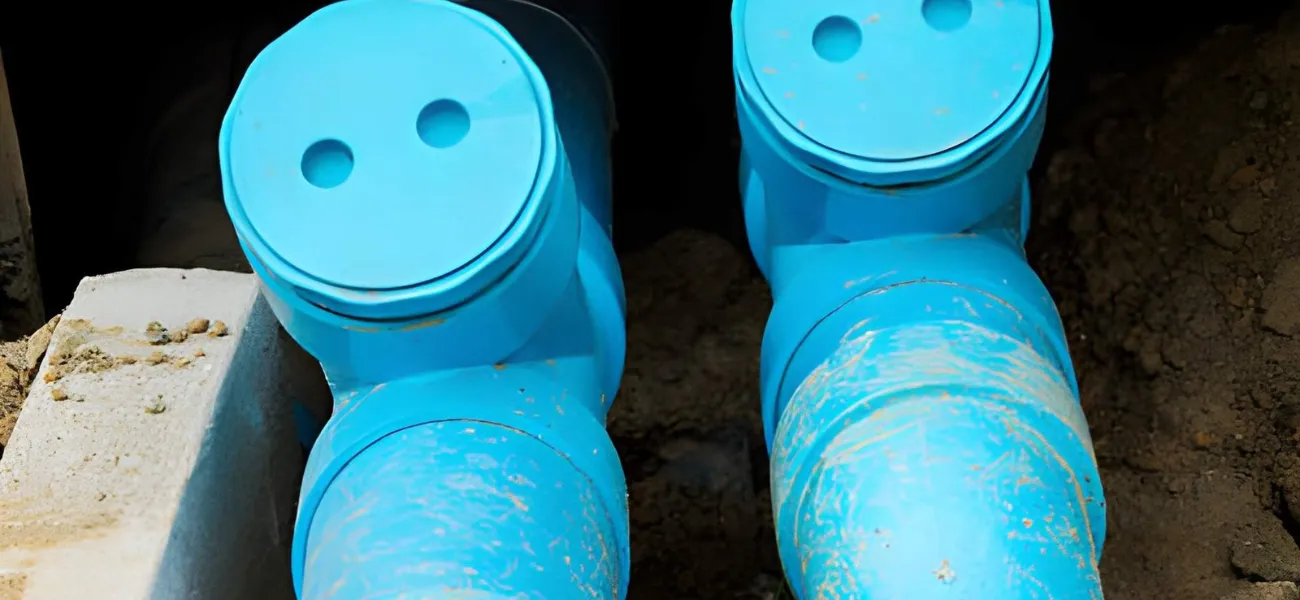
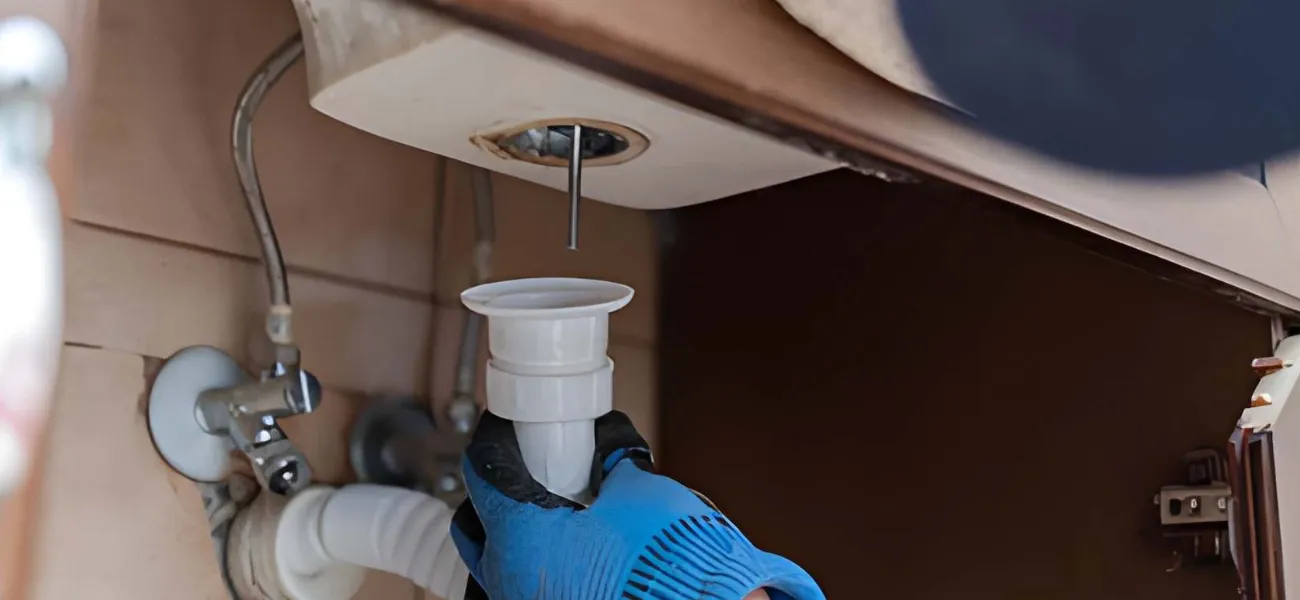
Drain pipes move used water and runoff away from fixtures, roofs, foundations and roads so that it can be disposed of safely. Indoors, they connect sinks, tubs, showers, appliances and toilets to the main building drain, which leads to a sewer lateral or septic system. Outdoors, the same principle appears in gutters, storm sewers and roadway culverts. Wastewater from buildings is ultimately carried to a wastewater treatment facility, while stormwater systems usually run separately from that waste network.
Drain pipes are not the same as water supply pipes, because supply lines are pressurized and drains depend on gravity. The materials reflect this split: PVC is restricted to drain lines, while PEX is used only for incoming water lines. Copper also turns up mostly in supply discussions, which is why homeowners sometimes confuse the two systems. Underground subsurface drains, such as French drains, protect basements and crawl spaces by collecting groundwater before it reaches walls and foundations.
How Do Drain Pipes Work?
Drain pipes work by gravity: a steady downward slope lets water and waste flow toward an outlet or discharge point. That outlet might be a municipal sewer, a storm drain, a ditch or a soak pit, depending on the system. If the slope is too shallow, liquids move slowly and solids can settle, which is why installation angle matters as much as pipe choice. Pipes must therefore be laid continuously downhill, without dips where water could pool.
The inside surface of a pipe affects how well it drains. Smooth interiors let water and debris pass with little resistance, while the ridges and grooves of corrugated pipe need steeper angles to drain properly. Those grooves can also catch debris, so corrugated pipes are more demanding about slope and cleanliness. Choosing a smooth or ridged interior is therefore a flow decision as well as a strength or cost decision.
Some drain pipes also collect water rather than only carrying it. Perforated pipe has holes that let groundwater enter, reducing flooding, erosion and waterlogged, swamp-like ground. Twinwall perforated pipes with multiple holes can drain flood-prone open areas without causing erosion. The collected water then travels along the pipe by gravity to a safe discharge point away from buildings.
What Are the Types of Drain Pipes by Material?
Drain pipes come in several material families: PVC, polyethylene, cast iron, galvanized steel, concrete, and, in water-related contexts, copper and PEX. Plastics are lightweight, corrosion resistant and economical, while metals bring strength, fire resistance and sound dampening at greater weight and cost.
| Material | Main strength |
|---|---|
| PVC | Economical |
| HDPE | Flexible |
| Cast iron | Quiet, strong |
| Concrete | Heavy-duty |
Concrete and clay serve heavy-duty or specialized work and can last a century or more. PVC and HDPE are the most common choices in new underground drainage projects. Selection logic weighs durability, corrosion resistance, weight, cost, repairability and the intended application.
Residential indoor drains usually favor light, easily joined plastic, while industrial and underground systems often need flexibility, chemical resistance or load strength. PVC is described as the most economical option for new installations, at about £8-15 per metre for material and £30-50 per metre for installation. Those figures show that labor often outweighs pipe cost, so long-term performance deserves attention.
PVC, CPVC and Polypropylene
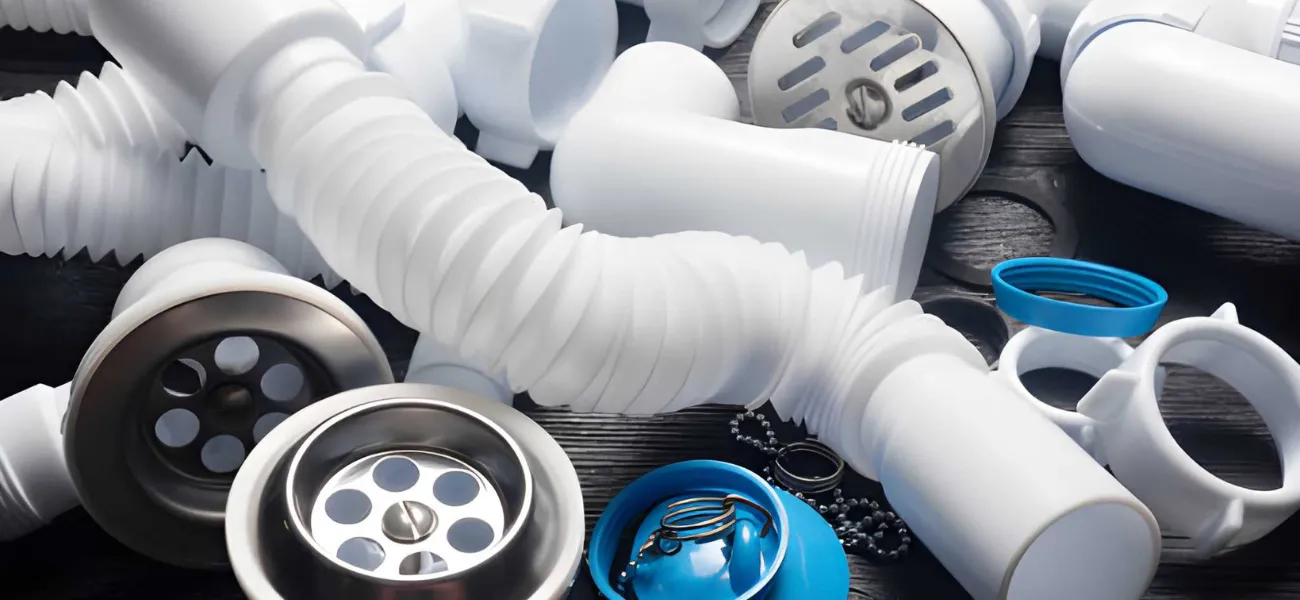
PVC is a lightweight, smooth-wall plastic pipe that is common for residential drains and widely used in drain, waste and toilet piping. Its main limit is poor heat tolerance, which is why its use is restricted to toilet and drain piping rather than hot applications. Its low weight and solvent-cement joints make it easy to install, and it is generally the most economical choice. PVC and uPVC differ in name more than in everyday drainage use.
CPVC is PVC with added chlorine, which makes it suitable for running tap water rather than drain service. Its easier repair is useful in supply work, but it is not the usual pick for sanitary drains. Polypropylene is another plastic option for drainage, noted as a safe material, and it appears in twinwall ground drainage pipe. Matching each plastic to its role avoids misuse, especially where heat is involved.
Polyethylene and HDPE
Polyethylene, including HDPE, is a flexible, corrosion-resistant plastic pipe suited to industrial and underground drainage. Its flexibility lets it bend through tight spaces and cope with uneven terrain, agricultural land and contaminated ground. That tolerance of ground movement is a key reason HDPE is among the most common pipes in new underground drainage projects. Corrugated versions add stiffness while keeping the pipe easy to handle.
Polyethylene also has an environmental advantage: its manufacturing uses less energy and emits fewer greenhouse gases than traditional drainage materials. Combined with resistance to corrosion, this makes it an appealing option where long service life and lower embedded impact both matter. Like other plastics, it should be protected if exposed outdoors, since sunlight can degrade many polymers. Underground, though, it performs well where rigid materials might crack.
Cast Iron and Galvanized Steel
Cast iron is a strong, heavy pipe best suited to high-load conditions and tall buildings where its noise-dampening quality helps. Because it absorbs the sound of rushing wastewater, it is often chosen for multistory construction and exposed pipework. Its drawbacks are weight, cost and rust; the carrying capacity of cast iron decreases the longer it is used. Internal corrosion gradually roughens the bore and restricts flow.
Galvanized steel is steel dipped in molten zinc for durability and rust resistance. It appears mainly in older homes, where the zinc coating has often worn thin with age. Once the zinc is depleted, rust begins and the pipe narrows and weakens. Both metals are therefore usually seen today as existing pipes to monitor, not first choices for new residential drains.
Concrete Pipes
Concrete pipe is a heavy-duty, inexpensive material used in storm sewers, roadway culverts and industrial drainage. It suits sound, steady liquid transport and handles heavy loads from soil and traffic above. Its mass is also a drawback, since transport and installation need specialist equipment and cost more. For that reason it is common in large civil projects.
Concrete is rarely used for home plumbing for practical reasons beyond size. It is highly susceptible to saline and alkaline water exposure, which can attack the material over time. Small residential runs also gain little from its strength, and lighter plastic pipe is easier to handle. Concrete therefore stays in large-scale infrastructure where its weight is an asset.
Copper and PEX: Drain Pipe or Supply Pipe?
Copper and PEX are mainly water supply pipes, not true drain lines. PEX is flexible and heat-resistant but is used only for incoming water lines, never for drains. Copper is durable, corrosion resistant and common in supply systems. Both appear in plumbing discussions because they sit beside drains in the same walls and basements.
Copper is rarely used for drainage because of its high price and its inability to withstand acidic water. Using it for waste would cost far more than plastic while offering a poorer fit for aggressive wastewater. The common confusion in homes is supply versus drain identification. Pressurized lines carry clean water in, and larger gravity-sloped pipes carry used water out.
What Are the Types of Drain Pipes by Style?
Drain pipe style describes wall and hole design, which is separate from material. The main styles are single-wall and dual-wall corrugated, smooth wall, and perforated or flexible pipe. A style can be made in different materials, so PVC, polyethylene or polypropylene might each appear in more than one style. Each has its own advantages and specific applications.
Style choice depends largely on whether the drainage is surface or subsurface. Smooth wall pipe suits carrying water efficiently through buildings and sewers, while perforated pipe collects groundwater. Corrugated pipe offers flexibility and strength for site and agricultural work. Selecting the style first clarifies which materials are worth considering.
Single-Wall vs Dual-Wall Corrugated Pipe
Single-wall corrugated pipe has one ridged wall, while dual-wall pipe combines a corrugated outer wall with a smooth inner surface. That smooth lining is the key difference, because it reduces the risk of clogging. Dual-wall pipe also costs more than single-wall corrugated pipe. The comparison below covers interior, strength, flow and typical use.
| Criteria | Single-wall | Dual-wall |
|---|---|---|
| Interior | Ridged | Smooth |
| Strength | Lighter | Stronger |
| Flow | Lower | Better |
| Use | Simple drainage | Highways, sewers |
Single-wall pipe is light and flexible, and it is often supplied in long coils, such as 100-foot lengths. That figure describes length, not diameter. Its ridged interior needs steeper angles to drain well and can hold debris. It is usually chosen for simple, low-cost drainage runs.
Dual-wall pipe gives better flow because the smooth interior lets water pass with less resistance. Its corrugated exterior supplies ring strength for burial. Typical uses include highway under-drains, storm sewers, roadway culverts and agricultural drainage. The extra cost is often justified where blockages would be hard to clear.
Polypropylene twinwall pipes for ground drainage are available in 150mm, 225mm and 300mm diameters. These sizes cover many field and site drainage needs. Residential site drainage may use either type depending on budget and slope. Where gradient is limited, the smooth interior of dual-wall pipe is the safer choice.
Smooth Wall Pipe
Smooth wall pipe has an even interior that supports seamless flow, so it does not clog as easily as corrugated pipe. The absence of ridges means debris has fewer places to catch. Water also moves more freely, so it can work on gentler slopes than corrugated alternatives. That makes it the dependable style for lines that must stay clear.
Smooth wall pipe is usually rigid and made from PVC, uPVC or cast iron. It is used in building drains, sewer lines and storm sewers. Rigid construction holds its shape and grade once laid correctly. Joints must be well made to keep water in and roots out.
Smooth wall pipes are corrosion and chemical resistant. They are usually used in storm sewers and high-end applications. Compared with corrugated pipe, they typically cost more per run but need less maintenance. For indoor sanitary drainage, they are essentially the standard.
Perforated and Flexible Drainage Pipe
Perforated drainage pipe has holes or slots that let groundwater enter and flow away to a soakaway, ditch or surface drain. The holes make it suited to both subsurface and surface drainage systems. It is popular for French drains or weeping tiles, laid in gravel or rock trenches. Filter fabric around the gravel helps keep soil from clogging the openings.
Perforated land drainage pipe is available in 150mm, 225mm, 300mm, 375mm, 450mm and 600mm sizes. Corrugated flexible versions are easy to lay along curved trenches. Slotted placement matters, since blocked holes stop water entering. Clogging risk rises where fine soil reaches the pipe unprotected.
What Size Are Drain Pipes?
Drain pipe size depends on fixture type, flow volume, slope and local plumbing code, so exact diameters should be confirmed with code and manufacturer specifications. Codes assign each fixture a drainage fixture unit load, with a toilet carrying more than a lavatory, then match the total to a pipe size. Codes also set minimums, such as 3-inch pipe for a line serving a toilet. Undersized pipes clog because slow, crowded flow lets solids settle.
Main lines carry the combined load of many branches, so they are larger than branch lines serving one fixture. Underground sewer pipes come in 200mm, 250mm and 315mm diameters for medium to large-capacity systems. Perforated land drainage pipe runs from 150mm to 600mm. Check the table for these confirmed sizes.
| Application | Diameter |
|---|---|
| Underground sewer | 200, 250, 315mm |
| Perforated land drainage | 150-600mm |
How Do You Choose the Right Drain Pipe?
The right drain pipe is the one that fits your application, environment, budget and code requirements; no single type is best. Indoor drains favor smooth, rigid pipe, while underground drainage depends on soil, load and groundwater. Match material and style together, such as smooth PVC for a building drain or perforated pipe for wet ground. Local code has the final say on what is allowed.
- Indoor or underground location
- Soil conditions and load
- Chemical exposure
- Budget and code
Several factors guide the decision. Consider these before buying. Exposure to chemicals or acidic water can rule out some metals, and heavy loads can favor stronger pipe. Each factor narrows the field quickly.
A common mistake is focusing only on purchase price. Ongoing costs often exceed initial material savings over time. Poor material choice leads to recurring blockages, leaks and expensive repairs. Considering lifetime cost avoids paying twice.
How Can You Tell What Drain Pipes Are in Your Home?
You can identify home drain pipes by color, texture, markings, location and the age of the house. PVC is white and most common in newer homes, while ABS is black. Steel pipes have a gray, silvery exterior and come in galvanized and zinc-coated varieties. Start with visible pipes in basements or under sinks.
- Look at the pipe color.
- Check texture and markings.
- Try a magnet.
- Note location and home age.
Follow these steps. Each one narrows the possibilities. A magnet will stick to steel and cast iron but not to plastic. Age helps too, since older homes often have cast iron or steel.
Cast iron fell out of use as drain pipe in the 1960s, so homes built before then may still have it. Plastic suggests newer work or later repairs. Mixed materials are common after renovations. If you are unsure, call a plumber before cutting or repairing anything.
How Long Do Drain Pipes Last?
Drain pipe lifespan varies by material, water chemistry, soil conditions and installation quality. PVC typically lasts 50-100 years with minimal maintenance. Clay lasts over a century in stable conditions. Poor installation can shorten any of these lifespans.
Cast iron has an 80-100-year lifespan but fell out of use as drain pipe in the 1960s. Many older homes therefore have iron pipes near the end of their life. Galvanized steel is relatively strong but rarely lasts more than five decades. Its zinc coating wears away and rust follows.
Signs of aging include slow drains, leaks, corrosion and root intrusion. Repeated clogs may mean a narrowed or damaged pipe. Rust stains or damp spots suggest leaks. Early inspection can limit repair costs.
How Do You Maintain Drain Pipes and Prevent Clogs?
Maintain drain pipes by keeping food, hair and grease out and never using the toilet or garbage disposal as a trash can. Strainers help catch hair and scraps. Grease cools and hardens inside pipes, narrowing them over time. Small habits prevent most clogs.
- Use strainers
- Dispose of grease properly
- Avoid chemical cleaners
- Call a plumber for stubborn clogs
Chemical drain cleaners are discouraged because drain-cleaning products can erode the interior lining of pipes, increasing leak risk. The best remedy for a clog is a plumber who professionally snakes the line. Persistent blockages deserve professional attention. That avoids harsh chemicals and protects the pipe.
Frequently Asked Questions
What size drain pipe do I need for a bathroom sink?
Bathroom sinks typically use a 1.5-inch drain pipe. This size is standard across most residential plumbing codes for sinks, though it’s worth confirming the requirement for your specific installation with local code or a licensed plumber.
Is PVC or ABS better for drain pipes?
Both are approved for residential drainage in most areas, and each has trade-offs. PVC is generally more widely accepted and easier to find, while ABS offers slightly higher impact resistance. Local code sometimes restricts one or the other, so checking your jurisdiction’s rules is the deciding factor in many cases.
Can I connect PVC pipe to my home’s existing cast iron drain line?
Yes, this is a common transition when replacing sections of an older cast iron system, but it requires the correct mechanical coupling designed for that connection rather than solvent cement. A plumber can confirm the right fitting for your specific setup.
How long does drainage pipe typically last?
PVC drain pipe is often estimated to last around 50 to 80 years under normal conditions, while cast iron can last several decades before internal corrosion becomes a problem. Actual lifespan depends on water quality, usage, and installation conditions, so these figures are general estimates rather than guarantees.
What does “Schedule 40” mean on a drain pipe?
Schedule 40 describes the pipe’s wall thickness, not its diameter. It’s the standard thickness used for most residential drain lines because it offers enough strength for normal household use and occasional contact from drain-cleaning tools.
Why can’t I glue PVC and ABS pipe together?
The two plastics have different chemical compositions, so a standard solvent cement won’t create a secure bond between them. Joining them requires an approved transition cement or a mechanical coupling designed specifically for PVC-to-ABS connections.
Need help with drains?
Explore the relevant services available from Anaheim Plumbing.