Table of Contents
Plumbing is the system of pipes, fixtures, valves, and fittings that brings clean water into a building and carries wastewater out. The word also names the skilled trade that installs and repairs those systems, and it covers water supply, hot water, drainage, venting, and the sewer connection.
Most people only think about plumbing when something stops working, like a clogged drain or a cold shower. Behind every faucet, toilet, and appliance, though, sits a network of pipes doing two jobs around the clock: delivering clean water and removing waste.
This article explains what plumbing is, where it came from, and how the supply, hot water, drainage, and vent systems work together. It also covers the main parts of a plumbing system, the three main types of plumbing, how plumbing differs from a sewer system, and the problems that show up most often.
When Was Plumbing Invented?
Plumbing began in ancient civilizations, with the earliest known systems of standardized earthen pipes appearing in Indus Valley cities (Mohenjo-Daro and Harappa) by around 2700 BC. Those pipes had broad flanges and used asphalt to prevent leaks.
Other early societies built their own versions. Ancient Egypt used copper pipe, and the Romans built aqueducts, public baths, and lead water pipes. The English word “plumbing” comes from plumbum, the Latin word for lead, because lead was the Romans’ main pipe material. Progress then slowed for many centuries, and major advances in water supply and sanitation arrived mostly in the 19th century. Lead pipe stayed in use well into the 20th century, and in the United States federal law banned lead pipe and solder in drinking water plumbing in 1986.
How Does a Plumbing System Work?
A plumbing system works by moving water in two directions: pressurized supply lines bring clean water in, and gravity-fed drain lines carry wastewater out. A vent system keeps air moving so both sides work smoothly.
Think of it as three connected networks. The supply side delivers cold and hot water under pressure. The drainage side removes used water by gravity. The vent side balances air pressure and lets sewer gases escape safely above the roof.
How Does the Fresh Water Supply System Work?
The fresh water supply system delivers clean, pressurized water from a public main or a private well to every fixture in the building. Water enters through a service line, passes a meter and a main shutoff valve, and then branches into smaller pipes that serve sinks, toilets, showers, and appliances.
Because the water is pressurized, supply pipes can run up, down, and sideways through walls and floors. The main shutoff valve is the most important one to know, since closing it stops water flow to the whole building during a leak.
How Does the Hot Water Supply System Work?
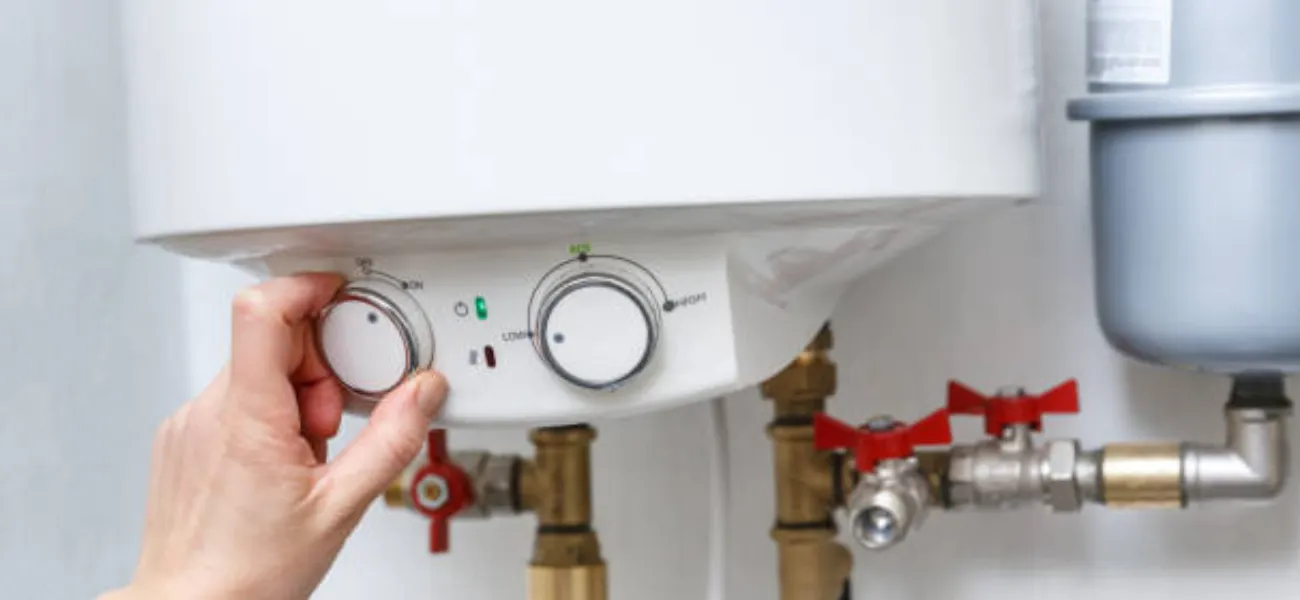
The hot water supply system sends part of the cold water supply through a water heater and then out through a second set of pipes to fixtures that need hot water. The result is two parallel lines, one cold and one hot, that meet at faucets, showers, and appliances.
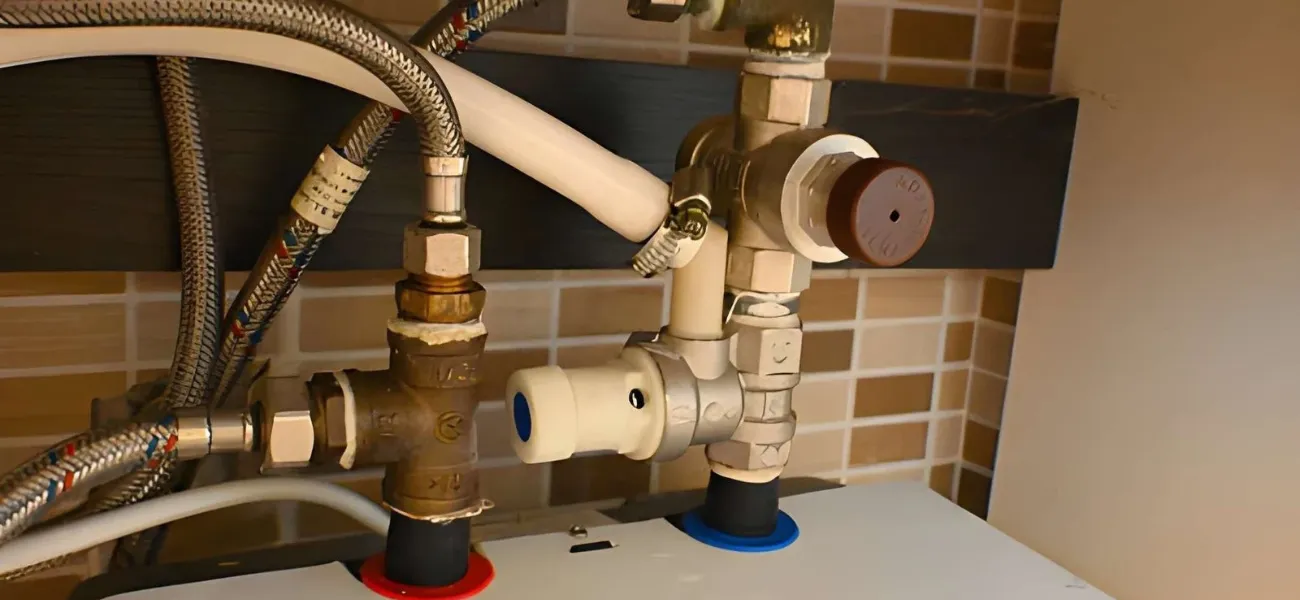
A storage tank heater keeps a tank of water hot and ready, a tankless heater heats water as it flows, and a heat pump heater moves heat from the surrounding air into the tank. Hot water lines also include a pressure and temperature relief valve on the heater for safety.
How Does the Drainage and Wastewater System Work?
The drainage and wastewater system carries used water and waste away from fixtures using gravity, which is why drain pipes slope downward. Every fixture drains through a trap, a curved section of pipe that holds a small amount of water to block sewer gas from entering the building.
Fixture drains join larger branch drains, which feed vertical stacks and finally a main building drain. The whole network is often called the DWV system, short for drain, waste, and vent. Because it relies on gravity rather than pressure, a clog anywhere along the path can slow or stop everything upstream of it.
How Does the Plumbing Vent System Work?
The plumbing vent system is a network of pipes that lets air into the drain lines and lets sewer gases out, usually through openings on the roof. Without it, draining water would create suction that pulls the water out of traps and slows drainage.
Vent pipes connect to the drain lines near each fixture and run up through the walls to the roof. Air entering through the vents keeps pressure balanced, so water drains smoothly and traps keep their seals. Gurgling drains and sewer odors are often early signs of a venting problem.
How Does the Sewer System Connect to Building Plumbing?
The building drain leaves the structure and connects to a building sewer, also called a sewer lateral, which carries wastewater to a public sewer main or a private septic system. A cleanout fitting on this line gives plumbers access for clearing blockages.
This connection is where a building’s plumbing meets the larger municipal system. Responsibility for the lateral differs by city and utility, so it’s worth confirming with your local utility where the property owner’s responsibility ends and the public system begins. Signs of a Main Sewer Line Clog covers what happens when this connection fails.
What Are the Main Components of a Plumbing System?
The main components of a plumbing system are pipes, fixtures, valves, traps and fittings, and a water heater. Each handles a different job, and a failure in any one of them can affect the whole system.
What Types of Pipes Are Used in Plumbing?
Plumbing pipes are made from copper, PEX, CPVC, PVC, ABS, galvanized steel, or cast iron, and each material suits a different purpose. Supply lines carry pressurized water and use materials like copper, PEX, and CPVC, while drain lines use materials like PVC, ABS, and cast iron.
| Pipe material | Typical use | Commonly cited lifespan |
|---|---|---|
| Copper | Water supply | 50 to 70 years |
| PEX | Water supply | 40 to 50 years or more |
| CPVC | Hot and cold water supply | 40 to 75 years |
| PVC | Drains and vents | 25 to 40 years or more |
| Galvanized steel | Older water supply | 20 to 50 years |
| Cast iron | Older drains and sewer lines | 50 to 100 years |
Lifespans vary because water chemistry, installation quality, and temperature all affect how fast pipes wear. Published sources give different ranges for the same material, so treat these figures as general guides.
What Are Plumbing Fixtures?
Plumbing fixtures are the points where water is used or wastewater enters the drain system, such as sinks, toilets, bathtubs, showers, and bidets. Appliance connections for dishwashers and washing machines are also part of the fixture network.
Each fixture has a supply connection, a drain connection, and usually a trap. Fixtures are what most people see and use every day, so problems like leaks and slow drains usually show up here first, even when the cause is farther back in the system. Bathroom Drain Types and Kitchen Drain Clogs explain how drains differ by fixture.
What Are Plumbing Valves?
Plumbing valves are devices that start, stop, or regulate the flow of water or protect the system from unsafe conditions. Common types include shutoff valves, ball valves, gate valves, check valves, and pressure-reducing valves.
Shutoff valves under sinks and toilets isolate a single fixture for repairs. The main shutoff valve isolates the whole building. Check valves allow flow in only one direction, and a pressure-reducing valve lowers high incoming pressure to a safer level. TPR Valve on a Water Heater explains one of the most important safety valves in the system.
What Are Plumbing Traps and Fittings?
A plumbing trap is a curved pipe that holds a small amount of water to block sewer gas from entering a building, while fittings are the connectors that join pipes together. The most common trap is the P-trap found under sinks.
Fittings include elbows that change direction, tees that create branches, couplings that join two pipes, unions that allow disconnection, and adapters that connect different pipe materials. The right fitting for the pipe material matters, because mismatched parts are a common source of leaks.
What Is the Role of Water Heaters in Plumbing?
A water heater supplies the hot water side of the plumbing system by heating cold water from the supply line and sending it to fixtures. It’s the largest appliance connected to most home plumbing systems.
Storage tank, tankless, and heat pump models all connect to the same supply lines but differ in how they heat and store water. Because a water heater connects to both the water supply and, in many cases, gas or electrical service, it sits at the intersection of several systems.
What Are the Main Types of Plumbing?
The three main types of plumbing are residential, commercial, and industrial, and they differ mainly in scale, demand, and the codes that apply. All three follow the same basic principles of supply, drainage, and venting.
| Feature | Residential | Commercial | Industrial |
|---|---|---|---|
| Typical buildings | Houses, apartments | Offices, restaurants, schools, hospitals | Factories, plants, processing facilities |
| Water demand | Low to moderate | Moderate to high, with peak usage | High, often continuous |
| Pipe size and layout | Smaller, simpler | Larger, more complex | Largest and most specialized |
| Special equipment | Water heater, sump pump | Backflow preventers, grease interceptors, multiple restrooms | Process piping for chemicals, steam, or compressed fluids |
| Regulation | Local plumbing codes | Local plumbing codes plus additional requirements | Plumbing codes plus industry and safety standards |
What Is Residential Plumbing?
Residential plumbing is the system of pipes and fixtures that serves houses, apartments, and other homes. It typically includes a water supply, a water heater, drains, vents, and fixtures like kitchens and bathrooms.
Residential systems are smaller and simpler than commercial ones, but they still need to meet local plumbing codes. Most homeowner plumbing calls involve drains, leaks, toilets, and water heaters.
What Is Commercial Plumbing?
Commercial plumbing is the system that serves businesses, public buildings, and multi-use properties such as offices, restaurants, hotels, schools, and hospitals. These buildings have higher water demand, more fixtures, and more complex piping than a home.
Commercial systems often include equipment that homes don’t need, like backflow preventers, grease interceptors in restaurants, and larger water heating systems. Repairs are also more disruptive, because a failure can shut down a business or affect many people at once.
What Is Industrial Plumbing?
Industrial plumbing is the specialized piping that supports manufacturing, processing, and heavy-use facilities. It often moves more than water, including chemicals, steam, compressed fluids, and process wastewater.
Pipe materials, pressures, and safety requirements are more demanding than in homes or offices, and the work usually requires specialized training. Industrial plumbing often overlaps with pipefitting and process engineering, so the trades involved can differ from those in residential work.
What Is the Difference Between Plumbing and Sewer Systems?
A plumbing system serves one building, while a sewer system serves a group of buildings or an entire community. Plumbing is inside and directly around the building, and the sewer is the larger public or shared network that plumbing connects to.
| Feature | Plumbing system | Sewer system |
|---|---|---|
| What it serves | One building | Many buildings or a whole city |
| Main job | Brings water in and carries waste out | Carries wastewater from many buildings to treatment |
| Location | Inside the building and on the property | Under streets, easements, and public property |
| Typical ownership | Property owner | Municipality or utility, except the private lateral in many areas |
| Example parts | Pipes, fixtures, valves, traps, water heater | Sewer mains, manholes, lift stations, treatment plants |
The two meet at the sewer lateral, the pipe that connects a building’s drain to the sewer main. A problem in one can show up in the other, which is why a backup in several fixtures at once can point to a blockage in the building sewer or the main line. [LINK: Signs of a Main Sewer Line Clog] explains how to tell the difference.
Why Is Plumbing Important?
Plumbing is important because it delivers clean water, removes waste safely, and protects both public health and the building itself. Without working plumbing, buildings can’t provide safe drinking water, sanitation, or hygiene.
Sanitation systems that keep wastewater separate from drinking water are a major reason waterborne illness is far less common in places with modern plumbing. Plumbing also protects property, since leaks and backups can damage floors, walls, and foundations. Efficient plumbing helps control water use and utility bills, and well-maintained systems tend to last longer and cost less to run.
What Are the Most Common Plumbing Problems?
The most common plumbing problems are clogged drains, leaks, running toilets, low water pressure, water heater issues, and frozen or burst pipes. Most start small and get more expensive the longer they continue.
| Problem | Typical cause | Related guide |
|---|---|---|
| Clogged drain | Hair, grease, soap scum, or foreign objects | [LINK: Bathroom Drain Clogs] |
| Leaking pipe or fixture | Worn washers, loose fittings, corrosion, or cracks | [LINK: Leaking Drain Causes] |
| Running toilet | Worn flapper or fill valve | [LINK: Toilet Repair Guide] |
| Low water pressure | Mineral buildup, a partly closed valve, or pipe corrosion | [LINK: Low Water Pressure] |
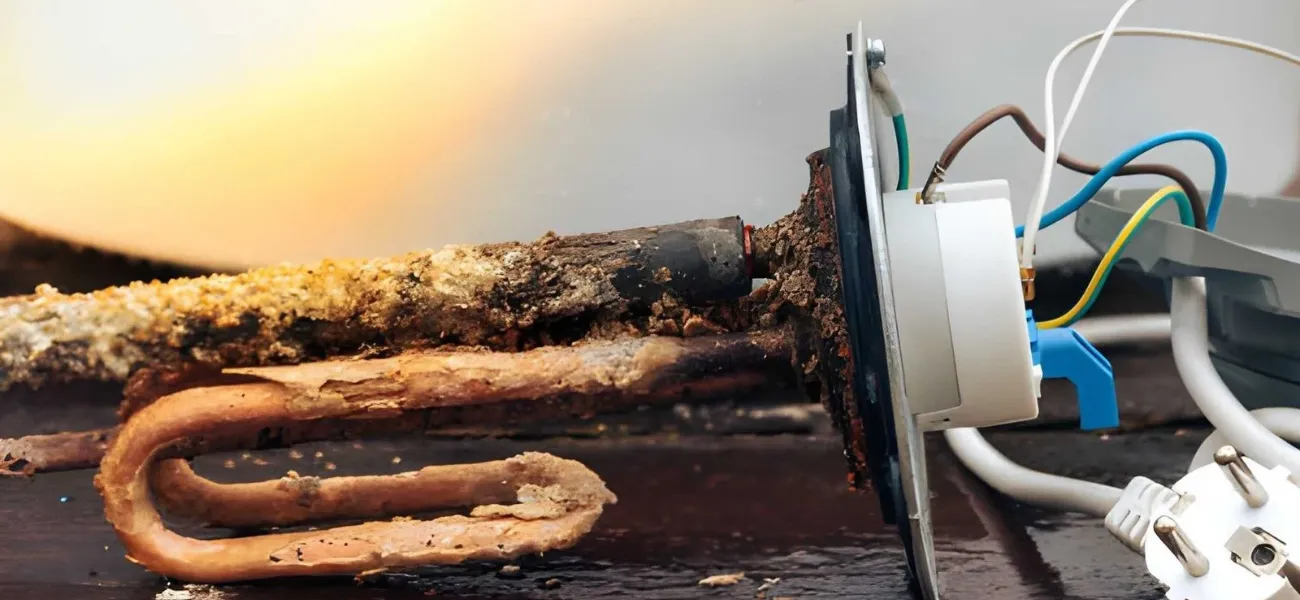
| No hot water or lukewarm water | Failed heating element, thermostat, or pilot light | [LINK: Water Heater Troubleshooting] |
| Frozen or burst pipes | Cold weather, poor insulation | [LINK: Burst Pipe Prevention] |
| Sewer backup | Main line clog, tree roots, or pipe damage | [LINK: Signs of a Main Sewer Line Clog] |
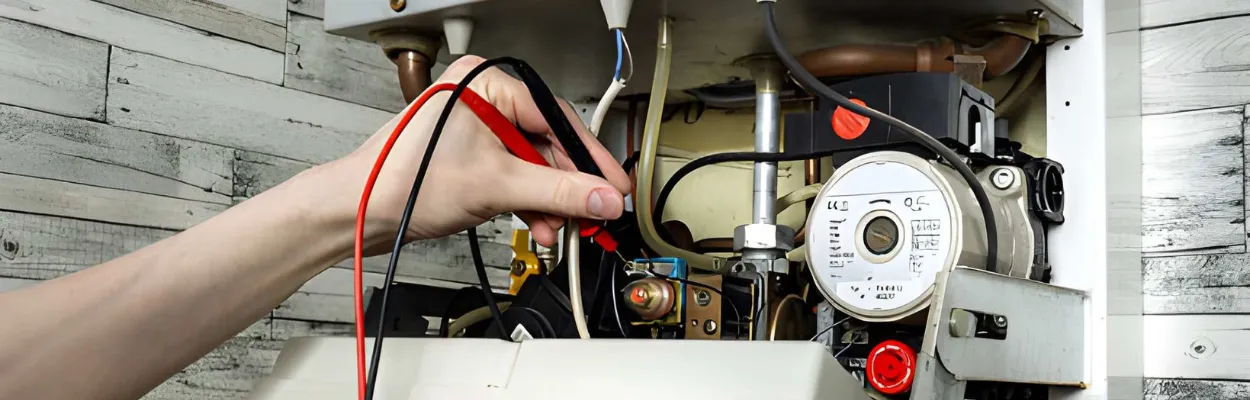
Simple problems, like a minor clog or a dripping faucet, are often safe for homeowners to try fixing. Anything involving gas lines, the main sewer line, hidden leaks, or a failed water heater tank is better handled by a licensed plumber, since mistakes in those areas can cause serious damage or safety risks.
Frequently Asked Questions About Plumbing
What Is the Main Purpose of Plumbing?
The main purpose of plumbing is to deliver clean water to a building and remove wastewater safely. It supports drinking, cooking, bathing, laundry, and sanitation, and it protects health by keeping clean water and waste separate. A good system also protects the building from water damage.
What Are the Main Parts of a Plumbing System?
The main parts of a plumbing system are the water supply pipes, fixtures, valves, drain pipes with traps, vent pipes, and a water heater. Together they handle water coming in, hot water, drainage, and air balance, with the sewer or septic connection carrying waste away.
What Is the Difference Between Water Supply and Drainage?
Water supply brings clean water into a building under pressure, while drainage carries used water out by gravity. Supply pipes are sealed and pressurized, so they can run in any direction. Drain pipes slope downward and connect to vents so wastewater can flow freely.
How Long Does a Plumbing System Last?
A plumbing system’s lifespan depends mostly on pipe material, water quality, and maintenance. Copper supply pipes commonly last 50 to 70 years, PEX about 40 to 50 years or more, and cast iron drains 50 to 100 years. Galvanized steel often fails sooner, around 20 to 50 years.
What Does a Plumber Do?
A plumber installs, repairs, and maintains the pipes, fixtures, and appliances that make up a plumbing system. Typical work includes finding and fixing leaks, clearing clogs, installing water heaters and fixtures, and testing systems for leaks and proper operation. Licensing requirements vary by state and city.
What Does DWV Mean in Plumbing?
DWV stands for drain, waste, and vent. It describes the part of a plumbing system that carries wastewater out of a building and lets air in so drains flow properly. Drain and waste pipes carry the water, and vent pipes balance pressure and release sewer gases above the roof.
Who Sets the Rules for Plumbing Work in the United States?
Plumbing codes set the rules, and the two most widely used model codes are the Uniform Plumbing Code and the International Plumbing Code. States, counties, and cities adopt and amend them, so requirements for permits, materials, and inspections differ by location. A local building department can confirm what applies.
Is Plumbing the Same as Piping?
Not exactly. Plumbing focuses on water supply, drainage, and fixtures inside and around buildings, while piping is the broader term for any system of pipes carrying fluids or gases. Industrial settings often use piping for chemicals, steam, or process fluids, which falls outside typical building plumbing.
Get Professional Plumbing Help
If you’re dealing with a plumbing problem or want to understand what’s behind your walls, Anaheim Plumbing can inspect your system and explain your options.